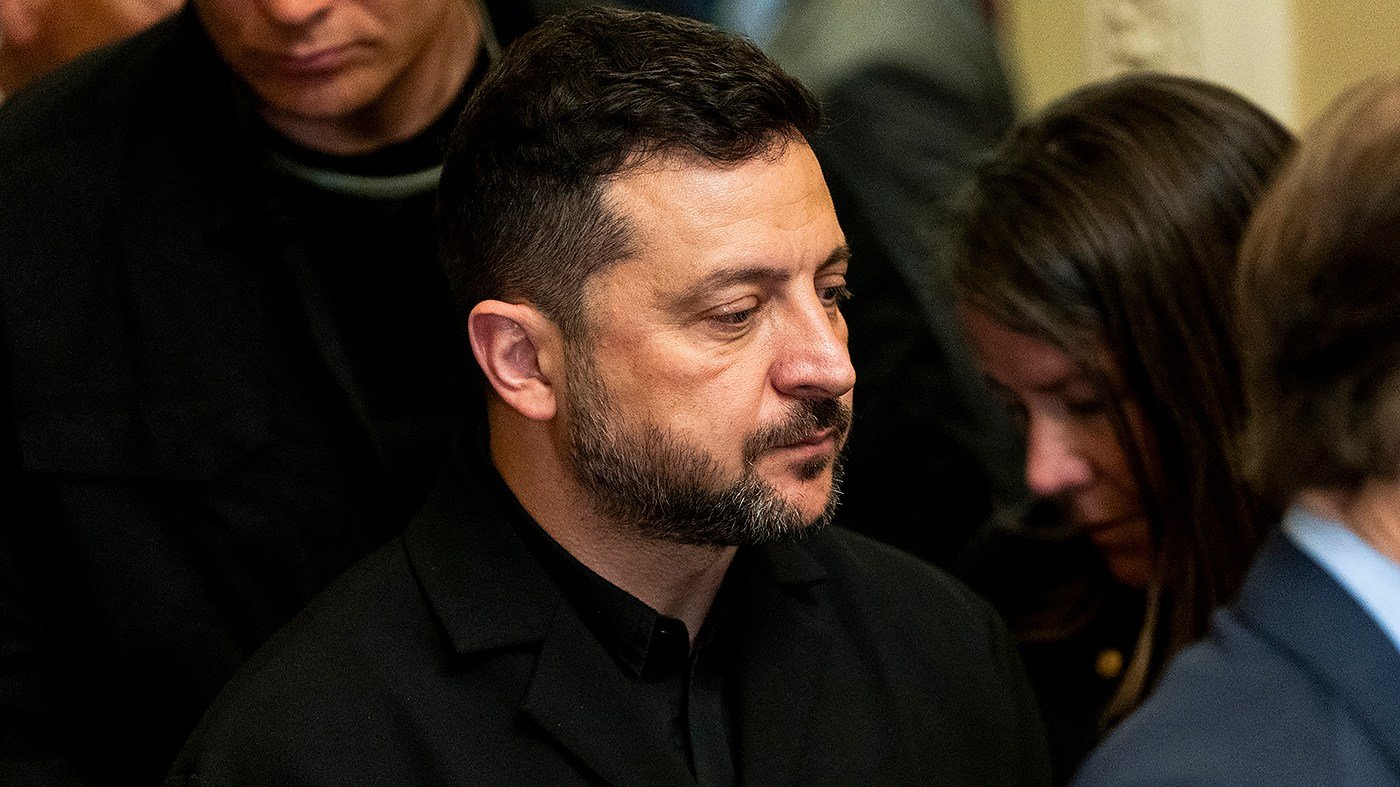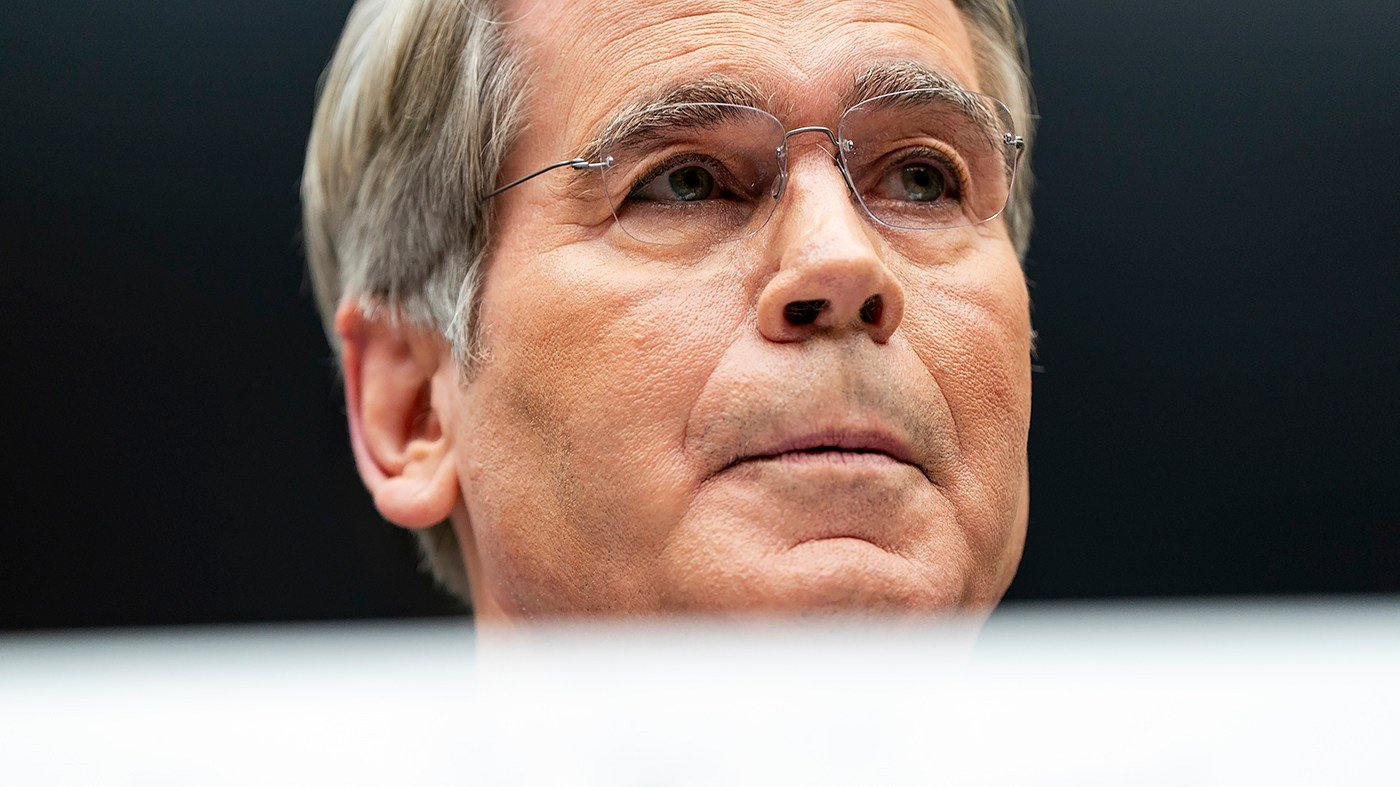
Treasury Secretary Scott Bessent on Sunday admonished Ukrainian President Volodymyr Zelensky for what he called "reckless" assertions that the Trump administration deliberately throttled Starlink service for Ukraine's military, intensifying a public rift between the two governments.
In an interview on NBC News's "Meet the Press," Bessent said President Donald Trump and Secretary of State Marco Rubio have "categorically" denied any involvement in slowing the satellite internet service, which is vital to Ukraine's battlefield communications. "I think it is very reckless for President Zelensky to make such a charge," Bessent said, adding that Zelensky "should be very careful about making statements like this that aren't true."
Host Kristen Welker pressed Bessent on the Ukrainian leader's account, noting that Zelensky also alleged a break in U.S. intelligence sharing. Bessent said he had no knowledge of such disruptions, but reiterated that the administration's position is clear: no one in the White House or cabinet ordered a slowdown.
Zelensky, in a separate interview with Welker that aired immediately before Bessent's appearance, said the slowdown was "a message from American government to limit the speed," though he acknowledged he did not know which official or agency issued the directive. He framed the claim as the shared assessment of his generals and government, not merely his personal opinion.
The dispute stems from a reported outage last Wednesday that affected Ukraine's military use of Starlink, particularly for drones, aircraft, and helicopters traveling above 100 miles per hour. Ukrainian officials have suggested that Washington may have imposed the restrictions, a suspicion that has fueled fears of U.S. abandonment among Kyiv's allies.
Trump, speaking to reporters on Friday, denied any role, saying he had not ordered a slowdown and that he had checked and believed the service was functioning normally. Elon Musk, whose SpaceX operates Starlink, also denied involvement, and both have dismissed the outage as unrelated to U.S. policy.
Bessent's rebuke comes amid broader tensions between Trump and Zelensky over a proposed minerals deal and energy policy, with the two leaders clashing over Starlink and diesel deliveries. The incident has also drawn scrutiny from Congress, with GOP senators demanding a probe into the Pentagon's potential role in the cutoff.
Zelensky has sought to rally European support as the feud deepens, praising EU allies while warning that Russia is exploiting the discord. The Starlink dispute, coming on top of disagreements over sanctions and energy strikes, has raised questions about the reliability of U.S. support for Ukraine under the Trump administration.
Bessent's comments suggest the administration is determined to quash any narrative of U.S. sabotage, but Zelensky's insistence—and the testimony of Ukrainian military leaders—keeps the issue alive. The next steps in U.S.-Ukraine relations remain uncertain as both sides trade accusations.