Rep. Julia Letlow (R-LA) is pushing for a standardized approach to breast cancer risk assessment, introducing legislation that would create a single, reliable tool for all Americans. The Know Your Risk Act, unveiled during Breast Cancer Awareness Month, directs the Department of Health and Human Services (HHS) to develop a universal risk assessment model and expand access through existing federal programs.
Letlow, who represents Louisiana's 5th District and serves as vice chair of the House Appropriations subcommittee on healthcare, shared her personal stake in the issue. Her mother survived triple-negative breast cancer, and a subsequent risk assessment showed Letlow herself had a high probability of developing the disease. That finding led her to undergo a preventive double mastectomy.

“That experience reinforced my belief that every woman deserves the same opportunity to understand her risk and make informed decisions about her health,” Letlow said in a statement. She argues that a universal tool is the logical next step after years of progress in screening and early detection.
The problem with current risk tools
Dozens of breast cancer risk assessment tools are currently on the market, each using different metrics and often yielding inconsistent results. They range from paper questionnaires to digital apps, and they evaluate different populations in different ways. That fragmentation, Letlow argues, creates confusion and leaves many women without a clear picture of their risk.
Research from the National Institutes of Health indicates that many women are unaware of the value of risk assessments. Letlow's bill would address that by creating a go-to tool and pairing it with education efforts.
What the bill would do
The Know Your Risk Act would direct HHS to develop and disseminate a universal risk assessment tool. It would also expand access to risk assessment services through the National Breast and Cervical Cancer Early Detection Program, which currently helps low-income, uninsured, and underinsured women get screenings.
Letlow emphasized that early intervention is critical. With one in eight women expected to develop breast cancer in her lifetime, a reliable risk assessment could prompt more women to discuss preventive options with their doctors.
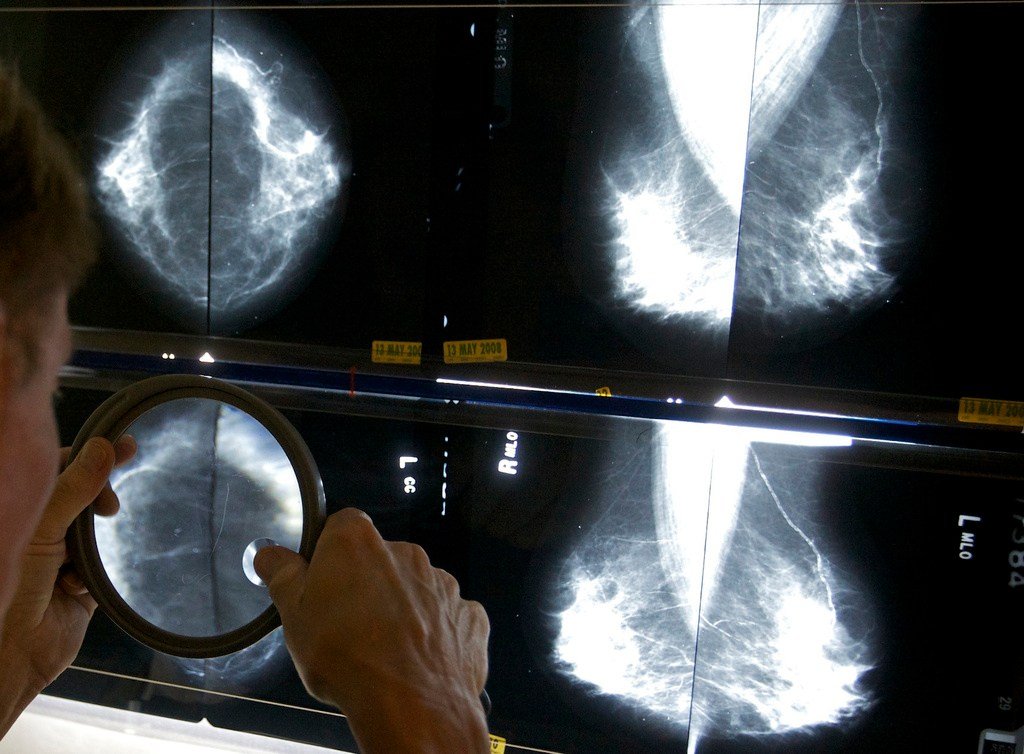
The bill aligns with broader efforts to improve women's health research, including the NIH's new Women's Health Division and emerging artificial intelligence tools. Letlow also urged women to consult their doctors about regular mammograms and screenings.
“Ensuring that every woman can access a reliable risk assessment is a crucial step toward better prevention and care,” she said. “I will continue working to make that future a reality.”
Letlow's proposal comes as other bipartisan health measures, such as the ovarian cancer genetic testing bill, are gaining traction. The push for standardized risk assessment is part of a broader effort to close gaps in care, particularly in rural areas like her district.