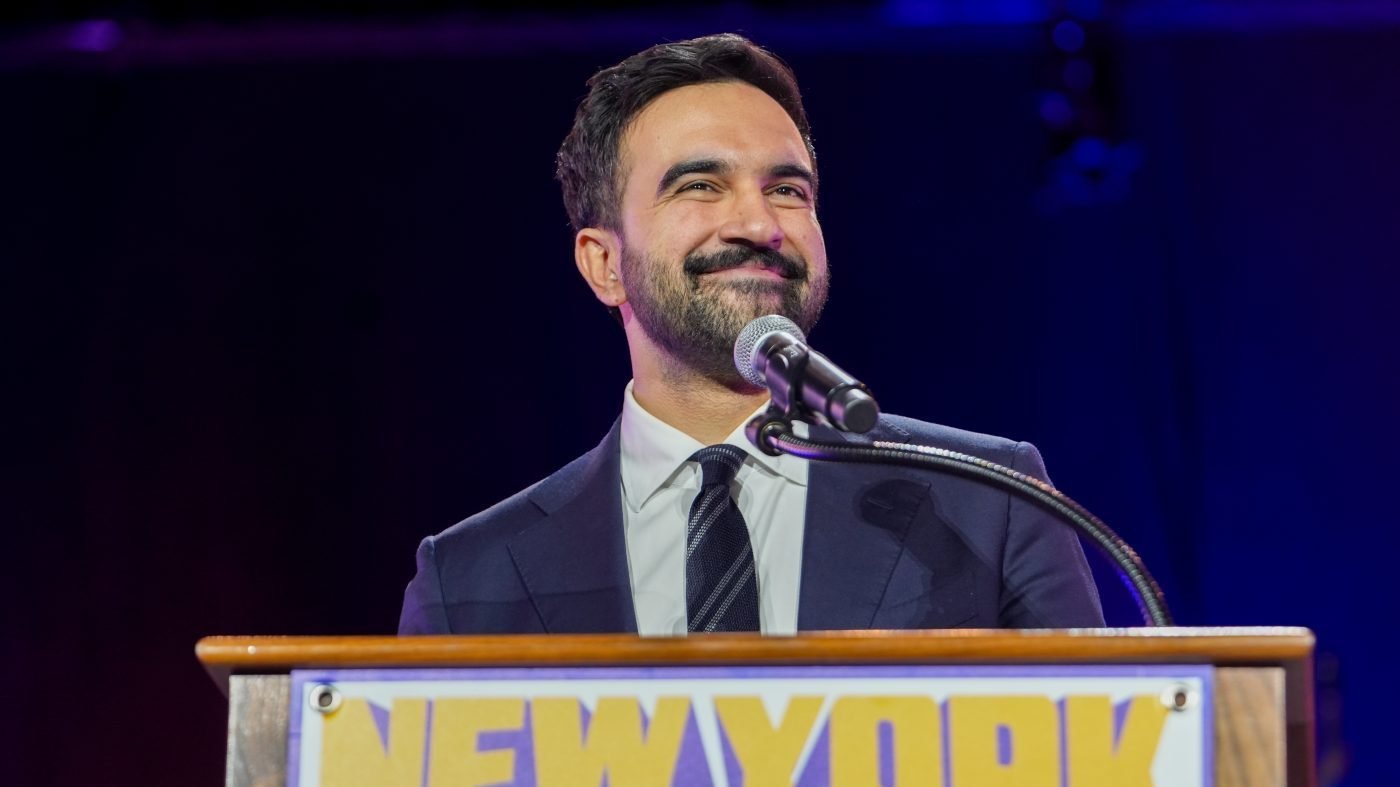
New York City Mayor Zohran Mamdani notched a decisive set of wins on Election Day as voters appeared to approve all five ballot measures he championed, according to projections from The Associated Press. The proposals aim to cut bureaucratic delays on housing production, outdoor dining, street safety, and city contracting—priorities the mayor has framed as central to addressing the city's affordability crisis.
"Tonight, New Yorkers voted for a government that moves as fast as they do," Mamdani said in a Tuesday evening statement. "From opening outdoor dining faster to speeding up street safety projects to accelerating housing production, we are cutting red tape that will directly address the affordability crisis and help New Yorkers stay in the city they love. Now comes the work of turning these votes into results."

Public Space and Outdoor Dining
The first measure overhauls the approval process for sidewalk cafes, ramps, and planters, eliminating mandatory public hearings and stripping the City Council of its power to reject approved sidewalk cafe permits. Instead, the public can comment through an online portal. The mayor's office estimates the change will slash the outdoor dining application timeline from roughly eight months to two months. The NYC Hospitality Alliance praised the amendment as "a welcome step toward opening outdoor cafes sooner."
But good-government group Common Cause opposed the measure, warning that it removes meaningful public input. "Streamlining administrative processes should not mean removing meaningful opportunities for New Yorkers and their elected representatives to weigh in on decisions affecting public spaces," the group said. The Center for Independence of the Disabled, New York also raised concerns that relying on written comments could create barriers for people with sensory or digital access limitations.
Contracting and Procurement
A second amendment simplifies the contracting process for small businesses and nonprofits seeking approval from the city's Procurement Policy Board. It reduces paperwork, eliminates mandatory hearings, and ends the board's quarterly meetings. The city estimates the streamlined contractor questionnaire alone could save up to 30 days. Common Cause supported this proposal, citing its potential to reduce administrative burdens on small entities.
Expedited Review for Streets and Property
The third measure combines three changes: allowing the transportation department to begin street construction without consulting other agencies, permitting the sale of lots under 10,000 square feet without City Council approval, and lifting hearing requirements for acquiring new office space. The Citizens Budget Commission (CBC) backed the amendment, noting it could accelerate street safety projects like bike lanes by at least 33 percent. However, the Municipal Art Society of New York urged a no vote, arguing it would allow the sale of "valuable public land and development rights without sufficient safeguards."
Building Permits and Waterfront Structures
The fourth proposal creates a centralized online permitting hub for construction permits, with the Department of Buildings required to implement it by 2030. It also shifts approval of waterfront structure permits to the DOB and speeds up that process. The CBC, Common Cause, and pro-housing group Abundance New York supported the measure, while D9 Harlem Votes opposed it, questioning how effectively communities could weigh in through the new portal.
These moves build on a broader push by Mamdani and like-minded Democrats to cut regulatory hurdles. Similar efforts have gained traction in other cities, as seen in recent races like the District of Columbia mayoral contest and the Wisconsin governor's race, where candidates emphasized pragmatic governance. Meanwhile, the national political climate remains volatile, with young voters strongly backing Democrats in recent elections.
Rainy Day Fund
The final measure establishes a new savings goal for the city's reserves, including its rainy day fund, setting a target of 12 percent of the previous year's total tax revenue. The methodology would be updated every four years. The CBC opposed the measure, calling the target insufficient and saying it would "enshrine the failing status quo in policy." Common Cause supported it, noting it would create "clearer rules for maintaining and accessing financial reserves" and strengthen accountability.
With all five measures projected to pass, Mamdani now faces the challenge of translating voter approval into tangible results—a task that will test his administration's ability to deliver on its promise of a faster, more responsive city government.