
U.S. equities surged in morning trading on Wednesday, buoyed by the Democrats' decisive capture of both chambers of Congress in Tuesday's midterm elections. The Dow Jones Industrial Average jumped 1,104 points within the first half-hour of the opening bell, while the Nasdaq Composite climbed more than 500 points and the S&P 500 gained over 120 points.
The market rebound comes after a rough week for stocks, which had tumbled as investors fretted over mounting corporate debt in the tech sector amid the AI buildout. Wednesday's rally suggests traders are betting that a Democratic-controlled Congress could bring more predictable fiscal policy, even as it sets up a clash with President Trump.
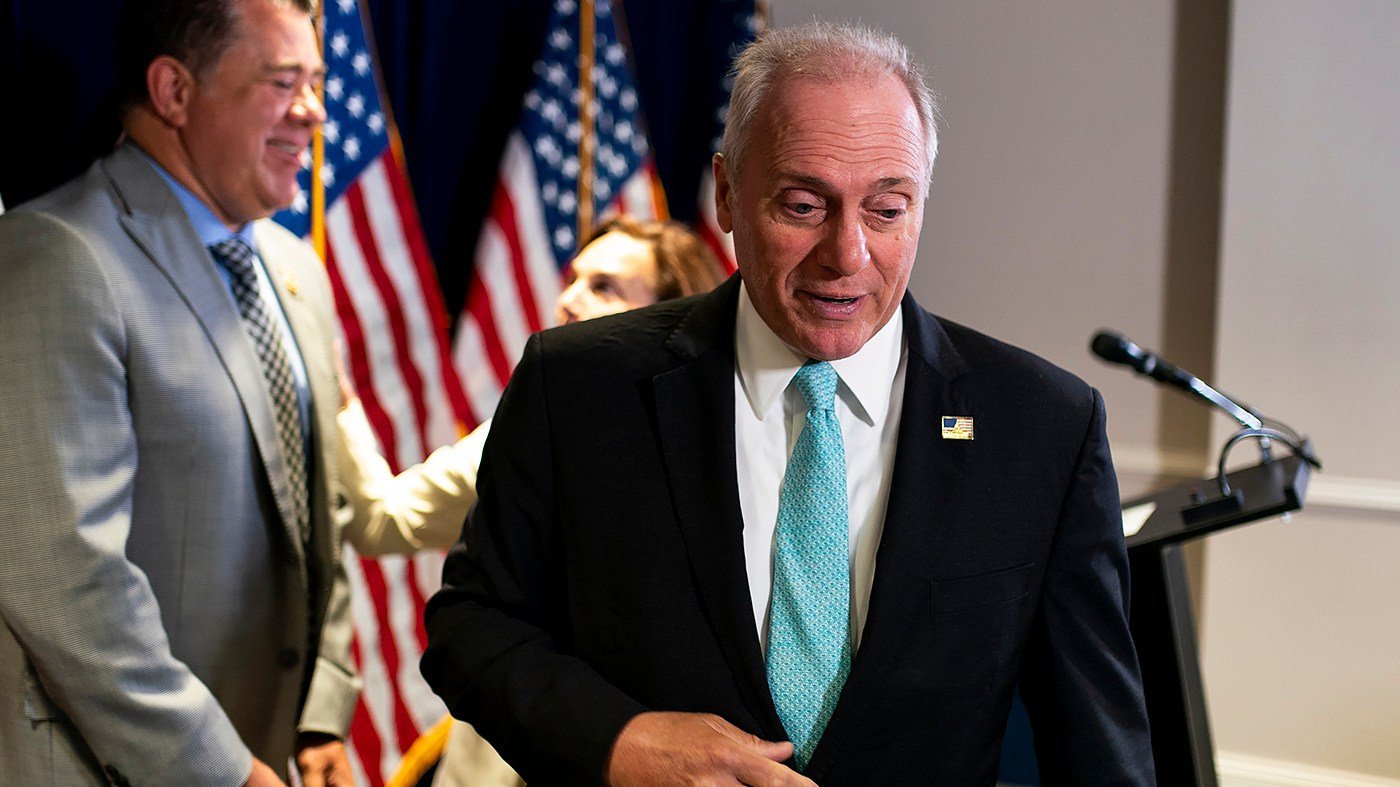
Democrats swept to victory on a platform centered on cost-of-living issues, tapping into widespread frustration over high fuel prices and persistent inflation under the current administration. With the Iran war driving up prices at the pump, Democratic candidates managed to flip Senate seats in traditionally conservative states like Iowa, Kansas, and Texas—an outcome that stunned political observers and reshaped the national landscape. The sweep marks a landmark rebuke of the president's agenda.
Decision Desk HQ has called 241 House seats for Democrats and 149 for Republicans, while the Senate split stands at 54 Democrats to 44 Republicans. The new Democratic majority in the House is expected to immediately press for investigations into the administration, while Senate Democrats are poised to hold up judicial and executive nominations. Senate Majority Leader Chuck Schumer is set to press the party's advantage as Republicans reel from the losses.
Historical data suggests the rally may have legs. According to a CNBC analysis, the S&P 500 has risen by an average of 0.5% the day after midterm elections from 1982 to 2022, with gains of 1% and 1.5% a week and a month later, respectively. However, the 2018 midterms—when Democrats took the House during Trump's first term—saw the index climb 2.1% the next day but slip 1.2% and 2.2% a week and a month later.
Liz Ann Sonders, chief investment strategist at the Schwab Center for Financial Research, noted on social platform X that since 1928, the S&P 500 has posted an average November return of +1.0%, with gains occurring 62% of the time. The best November was +12.0%, the worst -13.4%.
Republicans, meanwhile, are vowing resistance. Senator John Thune has pledged GOP obstruction in the face of Democratic control, while some conservative lawmakers acknowledge the rout reflects broken promises to voters. Representative Thomas Massie called the outcome a verdict on the party's failure to deliver on its agenda.
For investors, the immediate focus is whether the Democratic Congress can enact policies that stabilize the economy, particularly on energy and inflation. With control of both chambers, Democrats have a clearer path to pass legislation, though they will need to navigate a hostile White House. The market's initial optimism suggests Wall Street sees a silver lining in the political shift, but the long-term outlook remains uncertain as the new Congress prepares to take office in January.