A Maryland judge on Wednesday struck down a Democratic-backed effort to place a redistricting constitutional amendment before voters, delivering a fresh blow to the party's attempts to reshape the state's congressional map ahead of the 2026 midterms.
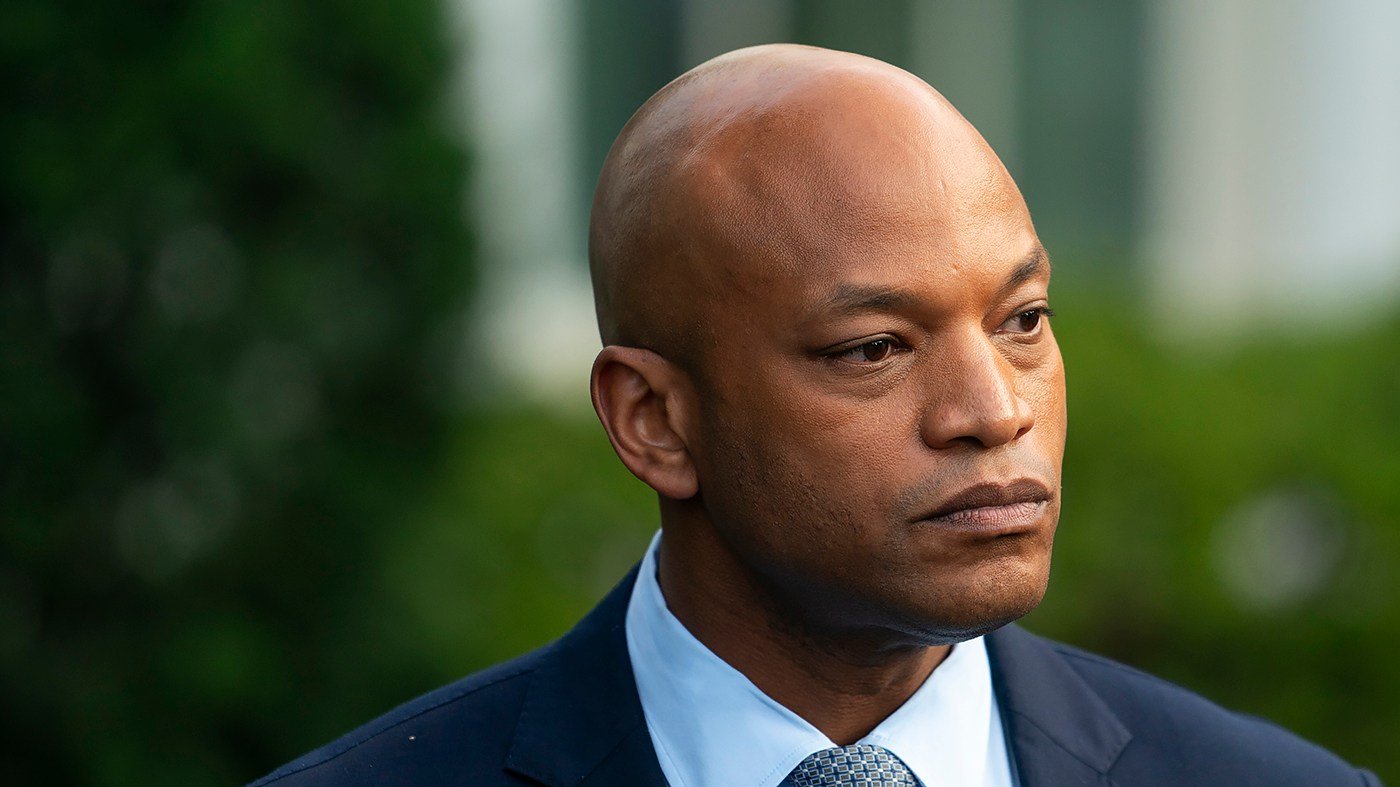
Judge Robert Thompson of the Anne Arundel County Circuit Court ruled against House Bill 2100, which had been signed into law by Democratic Governor Wes Moore on August 5. Thompson found that parts of the proposed ballot question were "intentionally misleading" and thus disqualified the measure from appearing on the November 2026 ballot.

"The court has no choice but to enjoin the board of elections from including ballot Question 3 on the general election ballot for November 3, 2026," Thompson wrote in his ruling.
House Bill 2100 sought to ask Maryland voters about a constitutional amendment that would "clarify standards" for congressional redistricting, specifically requiring each district to follow "natural boundaries and the boundaries of political subdivisions." The measure passed with a supermajority in the state legislature, but Republican lawmakers and conservative groups argued it was an end-run around a 2022 court ruling that had invalidated an earlier Democratic redistricting plan.
The Maryland Freedom Caucus, a conservative organization that filed one of two lawsuits against the bill, praised the decision on social media. State Representative Matt Morgan, a Republican, said: "Today the court made clear that three-fifths of the vote doesn't buy you an exemption from the rules you wrote yourself. Maryland doesn't answer to kings, and it doesn't answer to a legislature that thinks it's one."
The ruling is part of a broader national battle over redistricting as the midterms approach. Democrats need to net fewer than five seats in the upcoming election to flip the Republican-held House, raising the stakes for any redistricting maneuvers that could shift the balance of power. While redistricting typically happens once a decade after the Census, this case underscores how parties are seeking to leverage mid-cycle changes.
Currently, Democrats control seven of Maryland's eight congressional seats, and the proposed amendment was seen by critics as an attempt to entrench that advantage. The injunction is pending an immediate appeal by the state to the Maryland Supreme Court, leaving the final outcome uncertain.
This decision follows a series of legal challenges to redistricting and voting rules across the country, including a recent federal judge blocking a Texas drag performance ban and another halting Ohio's voter citizenship proof requirement. The Maryland case, however, stands out as a rare instance of a court intervening in a state's ballot measure process on grounds of misleading language.
Political analysts note that the ruling could have implications beyond Maryland, as other states may consider similar redistricting proposals. The judge's emphasis on transparency in ballot language may set a precedent for how courts scrutinize future initiatives, particularly those that could affect partisan balance in Congress.