Medicare's open enrollment period is now underway, giving the nation's seniors a window to reassess their health and drug coverage for 2027. The annual sign-up season, which runs through December 7, comes with a mix of financial pain and potential relief: premiums and deductibles are climbing, but new negotiated drug prices—including for popular weight-loss and diabetes medications—could ease some out-of-pocket burdens.
Key Changes for 2027
The most immediate impact for beneficiaries will be on their wallets. The standard Part D prescription drug deductible is set to rise to $700, up from $615 in 2026. The out-of-pocket cap for Part D, a crucial protection for those with high drug costs, will increase to $2,400 from $2,100. Meanwhile, the Medicare Part B monthly premium is projected to reach $209.50, up from $202.90, according to the 2026 Medicare Trustees Report. The annual Part B deductible is also expected to climb to about $292, from $283.
These increases come on top of a year when Part B premiums already jumped nearly 10%, and they will eat into the modest Social Security cost-of-living adjustment (COLA) announced for 2027.
Drug Price Negotiations Deliver Savings
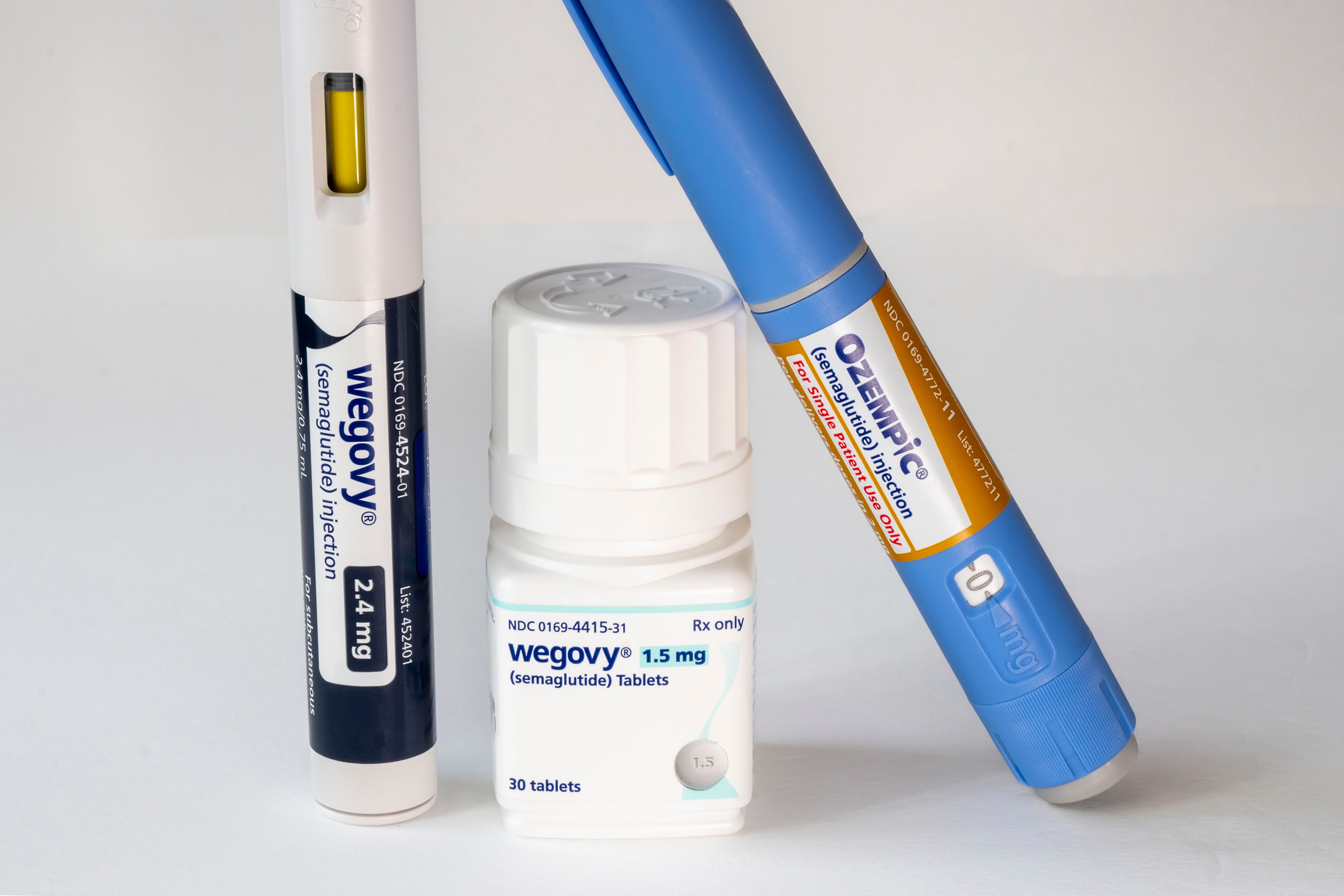
On the positive side, the Biden administration's drug price negotiation program—part of the Inflation Reduction Act—will deliver lower prices for 15 additional medications starting in 2027. Among them are several GLP-1 agonists, including Ozempic, Rybelsus, and Wegovy, which have become blockbusters for diabetes and weight loss. Other drugs on the list include Ellipta, Xtandi, Pomalyst, Ibrance, Ofev, Trelegy, Linzess, Calquence, Austedo and Austedo XR, Breo Ellipta, Tradjenta, Xifaxan, Vraylar, Janumet and Janumet XR, and Otezla.
These negotiated prices are expected to lower costs for many beneficiaries, though the exact savings will vary by plan and individual usage. The move is part of a broader push to curb prescription drug spending, a key issue in the ongoing debate over healthcare financing overhaul.
Social Security COLA vs. Premium Hike
Retirees will see a 3.6% cost-of-living adjustment in their Social Security checks starting in January—the largest in four years. That translates to an average monthly increase of $75, bringing the typical retired worker's benefit to about $2,170. Those who delayed claiming and hit the maximum can receive up to $4,188 per month.
But the Part B premium hike will offset a chunk of that gain. The projected 3.25% increase in the premium is far smaller than last year's near-10% jump, but it still means less net cash for many seniors. "The COLA is welcome, but it's not a windfall," said one policy analyst. "For many, the premium increase will eat up a significant portion of the raise."
Market Turmoil and Choices
Adding to the complexity, some major insurers have announced they will drop Medicare Advantage plans for over a million seniors in 2027, forcing affected beneficiaries to find new coverage. This comes amid broader turbulence in the insurance market, with ObamaCare premiums soaring and enrollment plunging, raising concerns about the stability of the entire health insurance system.
Beneficiaries are advised to review their current plans carefully, compare options, and consider both premiums and out-of-pocket costs. The open enrollment period is a critical time to ensure that coverage still meets their needs, especially as drug prices and plan networks shift.
With the clock ticking until December 7, seniors should not delay. The decisions made now will shape their healthcare costs and access for the entire coming year.