The National Basketball Association announced on Monday that it has entered into partnerships with prediction markets Kalshi and Polymarket, a move that comes as a coalition of states seeks to assert regulatory control over these platforms. The league has also signed a memorandum of understanding with the Commodity Futures Trading Commission (CFTC), designating the two exchanges as its preferred venues for NBA-related prediction markets.
Under the agreements, markets tied to NBA events will be subject to what the league describes as "significant integrity protections." These include a ban on trading by NBA and team personnel, as well as "information-sharing obligations relating to investigations and suspicious trading." Scott Kaufman-Ross, the NBA's head of media distribution and partnerships, emphasized that the league's "integrity" is its "top priority." He added, "As this category develops, we believe it is important to work constructively with regulators and operators to help ensure that appropriate safeguards are in place. These partnerships represent an important step in establishing a framework that creates new opportunities to engage our fans."
CFTC Chairman Michael Selig expressed satisfaction with the NBA's decision to sign the MOU, noting that the basketball league follows Major League Baseball and the National Hockey League in partnering with Kalshi and Polymarket. However, the partnerships are unfolding against a backdrop of legal conflict. New Jersey officials last month petitioned the Supreme Court to intervene in the dispute between prediction markets and states that want to regulate them. The states argue that they have authority over these platforms, while Selig maintains that the CFTC has sole jurisdiction.
A bipartisan coalition of 39 states and the District of Columbia has backed New Jersey's request, contending that Kalshi and Polymarket are "wrong" in asserting that federal law preempts state regulation. The case has drawn attention from other sports leagues, with the NFL urging the Supreme Court to take up the matter and support state oversight. The NFL, which has partnerships with traditional sportsbooks, faces competition from prediction markets and has argued that regulation should remain at the state level.
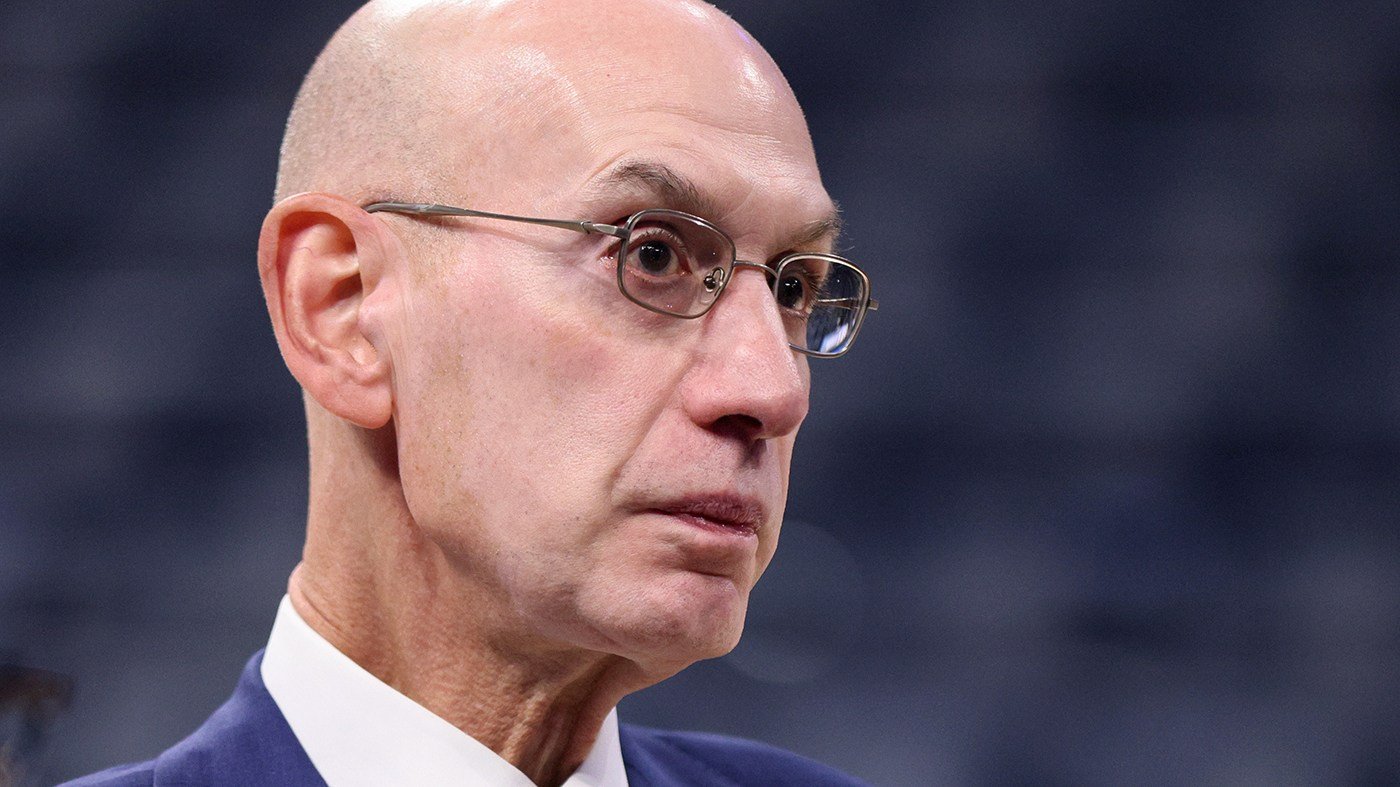
NBA Commissioner Adam Silver has sided with the prediction markets, telling CNBC's "Squawk Box" earlier this month that having a "consistent policy nationally" is in the league's "best interest." Silver's stance aligns with the NBA's new partnerships, which could create new fan engagement opportunities but also raise questions about the intersection of sports, gambling, and regulation.
The growing acceptance of prediction markets in professional sports has sparked broader debates, as seen in the unlikely alliance of gaming, tribal, and labor groups that have united against these platforms. Meanwhile, the Pentagon's ban on betting on military operations highlights the sensitivity of using prediction markets for high-stakes events. The NBA's move is likely to intensify the scrutiny on prediction markets, especially as states and federal agencies clash over their oversight.
As the legal battle unfolds, the NBA's partnerships with Kalshi and Polymarket could set a precedent for other leagues. The league's emphasis on integrity protections may serve as a model, but the unresolved regulatory questions remain a significant hurdle. With the Supreme Court potentially weighing in, the future of prediction markets in sports—and beyond—hangs in the balance.