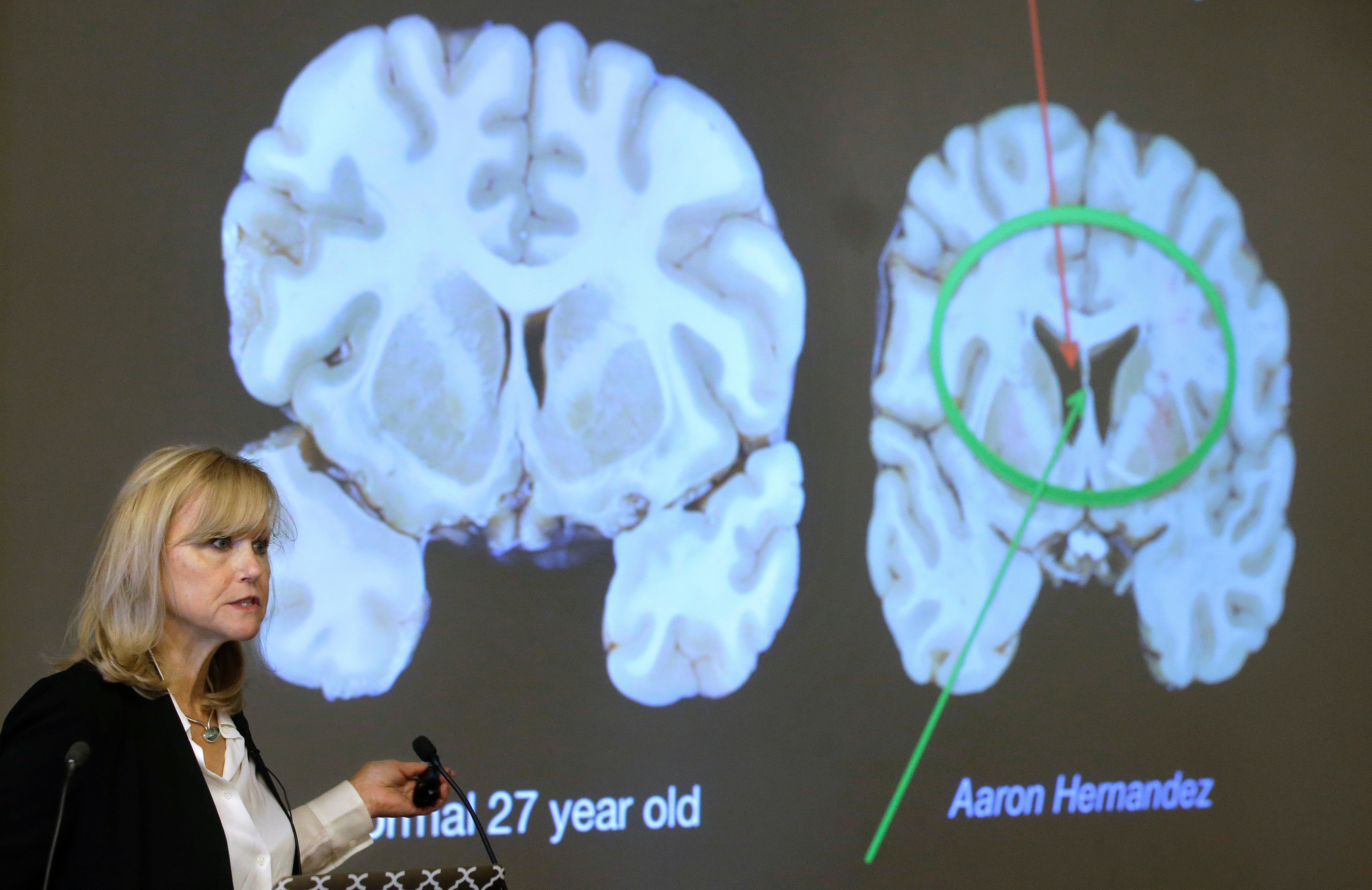
The National Football League is confronting a sobering new statistic: at least one in four former players develops chronic traumatic encephalopathy (CTE), a degenerative brain disease linked to repeated head impacts. The finding, reported by the New York Times, is based on an analysis of 878 former NFL players who died between 2016 and 2021. Of those, 215 were diagnosed with CTE, representing 24.5% of the group. Because most brains were not examined, researchers say the actual rate could be significantly higher.
For years, the NFL has faced criticism over its handling of head injuries, from downplaying concussion risks to its controversial use of race-norming in dementia claims. The league eventually abandoned that practice after public outcry. But the new study, led by Dr. Daniel Daneshvar, underscores a persistent occupational hazard: the cumulative force of head impacts, which can be reduced by eliminating full-contact practices and delaying tackle football for children.

The numbers are staggering when compared to other industries. If a quarter of workers at a chemical plant developed a neurological disease from workplace exposure, there would be federal investigations, class-action lawsuits, and demands for immediate reform. Yet in the NFL, such risks are often accepted as inherent to the game. The league, which generated over $23 billion in revenue in 2024, has the resources to lead change, but has historically prioritized the sport's traditions over player safety.
As a journalist who has covered football and its legal entanglements, I've seen how the NFL shapes the narrative around brain injury. The league's settlement for concussion claims, for instance, was designed to limit liability, but it also created barriers for players seeking compensation. The new study should force a reckoning: Is the NFL doing everything reasonably possible to protect its players, or is it shielding itself from accountability?
The answer matters not just for retired players, but for the future of football itself. If the league fails to act, it risks losing public trust—and potentially facing the kind of mass tort litigation that has reshaped other industries. The question is no longer whether CTE is a problem, but whether the NFL will finally treat it as a crisis demanding urgent action.
For fans, the moral calculus is uncomfortable. We watch the hits, celebrate the toughness, and then look away when the consequences arrive. The New York Times study gives us a number we can no longer ignore: at least one in four. That is not just a statistic; it's a public health emergency.