The No Kings coalition, a grassroots group opposing President Trump's executive overreach, organized nearly 3,000 events across the country over the weekend, drawing tens of thousands of attendees. Their goal: ensure voters are registered and ready for next month's midterms. But in the middle of that push, the group's main Instagram account was suddenly suspended, cutting off a key channel to its supporters.
According to Newsweek, the account was down for roughly 90 minutes, and organizers say they were locked out of administrative tools for hours afterward, unable to post updates or coordinate with volunteers. Meta later apologized, attributing the suspension to an automated system that flagged the account's high volume of activity as suspicious.
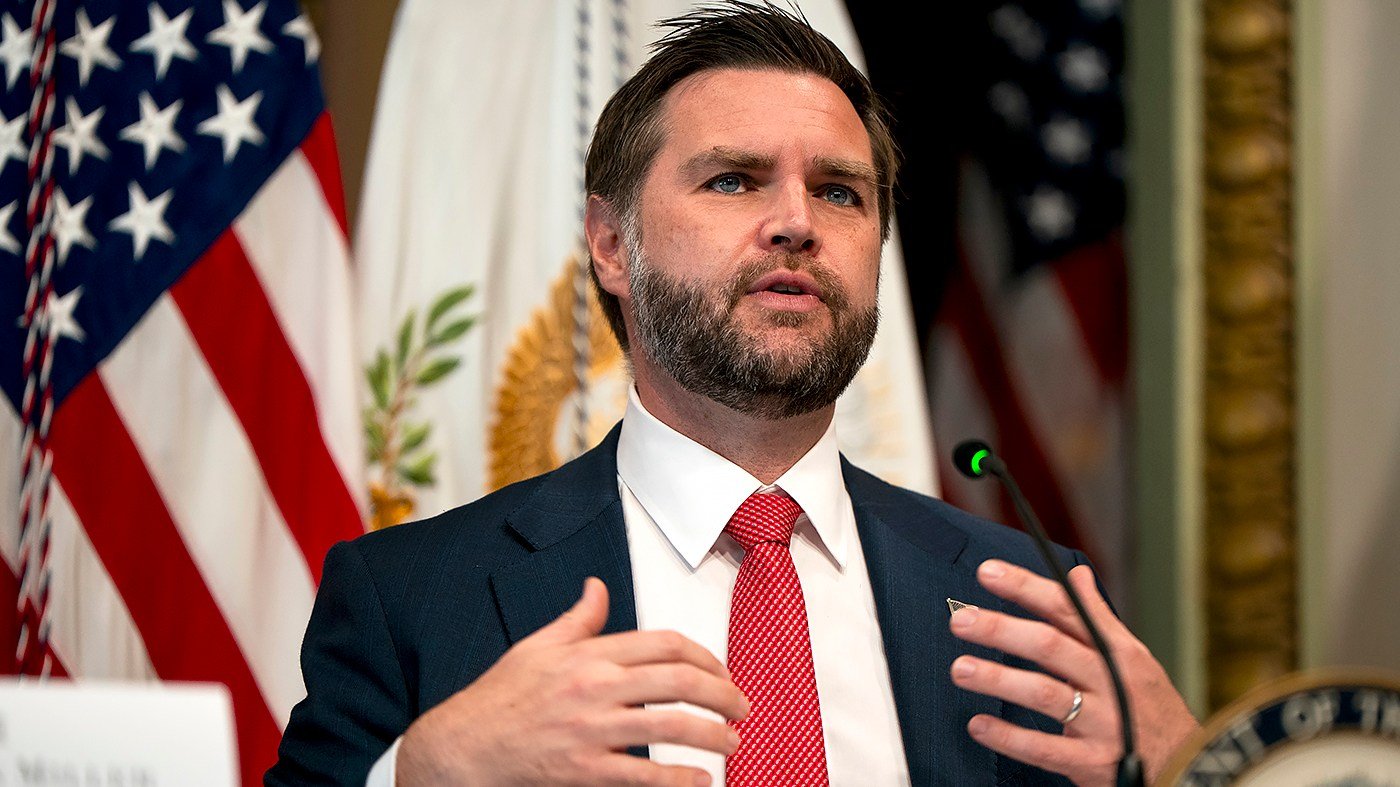
Ezra Levin, a lead organizer for No Kings, isn't buying the explanation. "This is strikingly reminiscent of what we saw in Brazil," he said. "Just this week, a court ruled against Meta for favoring the authoritarians in that country, and we might be seeing something similar from Meta in our country right now."
The Brazil reference is not casual. The country is heading into an Oct. 25 presidential runoff between left-wing incumbent Luiz Inácio Lula da Silva and right-wing challenger Flávio Bolsonaro. Lula's campaign accused Meta—which owns Instagram, Facebook, and WhatsApp—of disproportionately restricting its political content while giving Bolsonaro's campaign an edge. A Brazilian nonprofit, CTRL + Z, documented over 1,000 cases of reduced visibility, account bans, or electoral censorship that skewed against pro-Lula posts. Brazil's Superior Electoral Court unanimously ordered Meta to ensure equal treatment of candidates, threatening a hefty fine for noncompliance.
In Brazil, Meta denied intentional bias and pointed to technical issues and election safeguards—a familiar refrain. For a company that controls platforms millions rely on for political information, that response is convenient, but it raises deeper questions about fairness and accountability.
The No Kings movement argues that Trump's second administration has concentrated excessive power in the presidency, undermining democratic norms. Organizers are now trying to convert that opposition into votes, and the nationwide early voting push is central to their strategy. The suspension, they say, is more than an inconvenience—it's a pattern.
Recent polling from The Washington Post–ABC News–Ipsos shows 66% of Americans believe Trump is using the presidency for personal enrichment. From ignoring the emoluments clause to dissolving cryptocurrency enforcement teams while amassing millions through his own crypto ventures, the concerns are mounting. The Musk plan to give SpaceX shares to every child, tied to Trump's accounts, adds another layer of scrutiny.
Whether in Brazil or the United States, the issue transcends one Instagram account or one algorithm. It's about transparency and whether digital platforms that shape political discourse apply their rules even-handedly. As the midterms approach, the stakes for fair digital access have never been higher.
Meta's apology may close the technical issue, but the broader demand for accountability remains. For No Kings and other grassroots movements, the fight is not just at the ballot box—it's on the platforms where political organizing now lives.