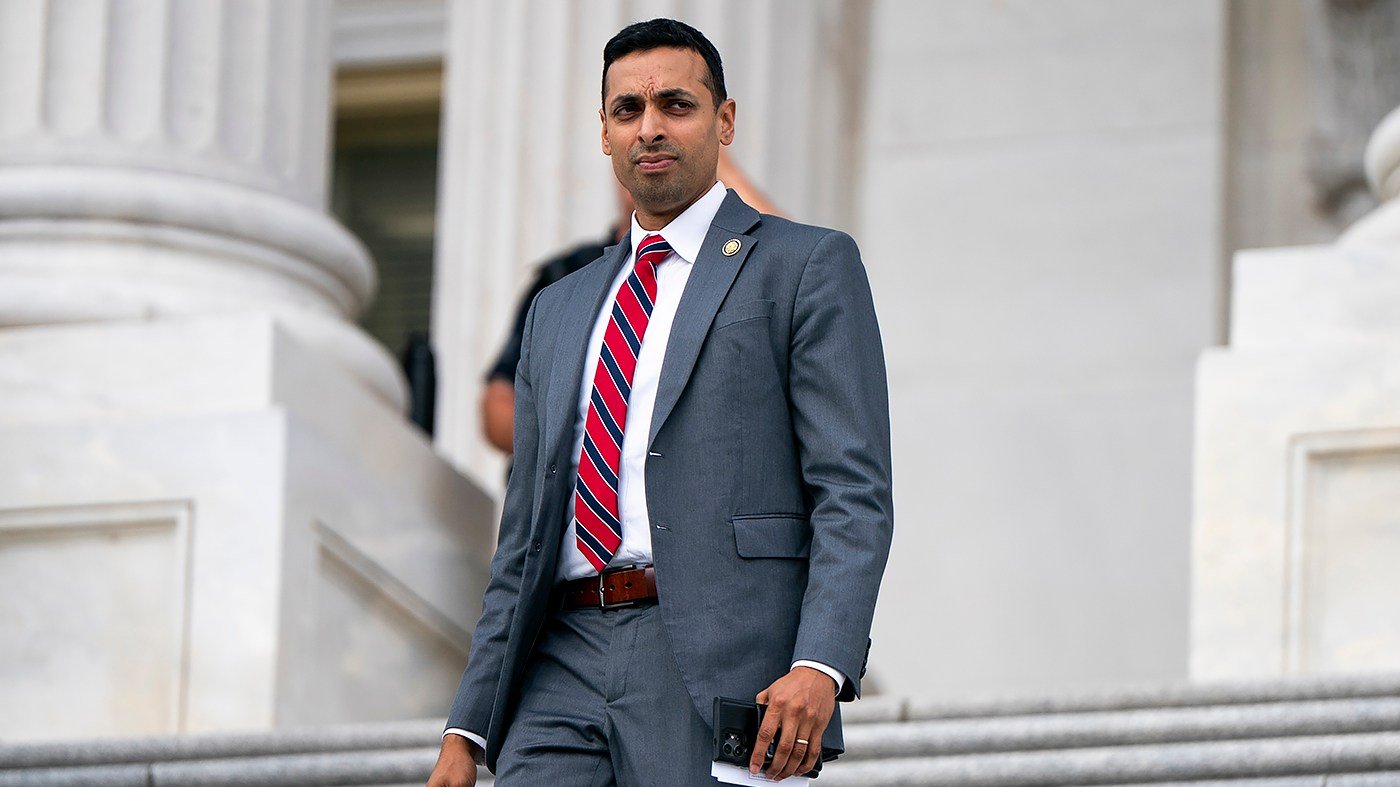
Rep. Suhas Subramanyam (D-Va.) became the latest member of Congress to report receiving a suspicious envelope containing white powder, extending a troubling pattern that has now touched more than two dozen lawmakers and election officials across the country.
In a post on X, Subramanyam confirmed that his office in Leesburg received the envelope and was promptly evacuated. He thanked the Leesburg Police, Loudoun County Fire and Rescue, their hazmat team, and the Capitol Police for their “swift response.” He called the incident “political intimidation” that “has no place in our country.”

The Virginia Democrat’s disclosure follows a spate of similar reports over the past month. Federal authorities have opened a probe into the mailings, according to NBC News, which cited a person with direct knowledge of the investigation. The targets have included both Democrats and Republicans, as well as secretaries of state overseeing elections.
Rep. Seth Moulton (D-Mass.) shared details of a letter his office received, which included a return address linked to the Democratic Socialists of America (DSA) and a New York City building used on the group’s membership forms. The DSA has denied any involvement. Spokesperson Priscilla Yeverino told Newsweek, “Needless to say, we are not involved with these letters, and we were glad to learn no one was harmed.”
Rep. Eugene Vindman (D-Va.) also reported a suspicious letter at his district office, writing that “political violence and threats of intimidation have no place in our democracy, and those responsible must be held accountable.” His statement echoed the broader bipartisan condemnation of the mailings.
On the Republican side, Sens. Pete Ricketts (Neb.), Ted Cruz (Texas), and Mike Rounds (S.D.) have all confirmed that their district offices received envelopes containing a white powder substance. So far, initial tests have not indicated any harmful agents, but the incidents have disrupted congressional operations and heightened security concerns.
Louisiana Secretary of State Nancy Landry reported that law enforcement found “no evidence of harmful substances” after testing the powder discovered by an employee opening a package. That outcome mirrors the early assessments in many other cases, though authorities continue to urge caution.
The wave of mailings has drawn attention to the vulnerability of elected officials and election administrators, especially as the midterm cycle heats up. For a deeper look at the broader scope, see coverage of the initial mailings that hit more than 20 offices. The incidents also come amid heightened partisan tensions, with GOP turnout fears and Democratic hopes for gains in 2026 adding to the political climate.
Law enforcement agencies, including the U.S. Capitol Police and the FBI, are coordinating the investigation. They have not yet identified a suspect or a motive, but officials are treating the mailings as a serious threat to public safety and democratic processes.
As the probe continues, lawmakers from both parties are calling for accountability and urging the public to remain vigilant. The repeated targeting of elected officials underscores the need for robust security measures and a collective rejection of intimidation tactics.