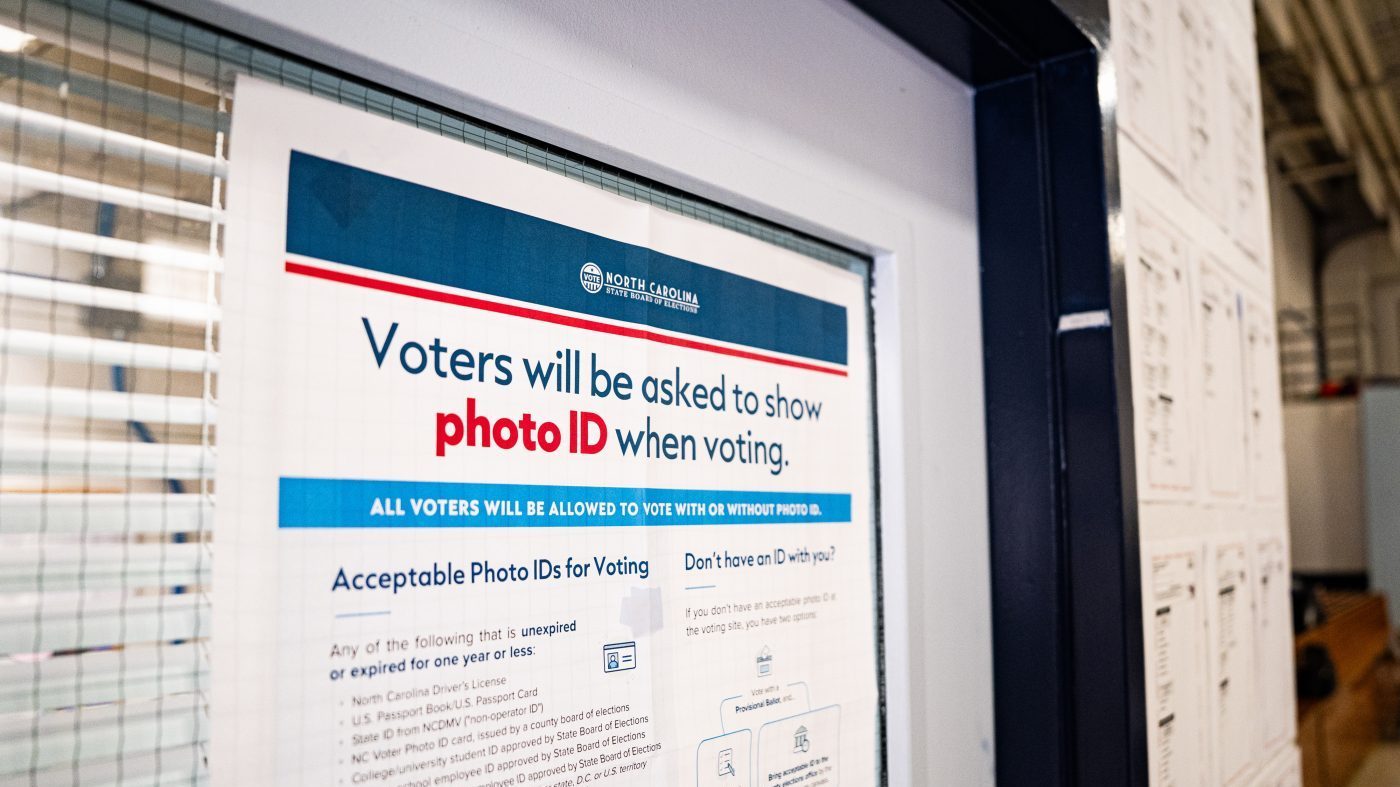
North Carolina voters have approved a constitutional amendment mandating photo identification for all ballots cast in the state, according to Decision Desk HQ projections. The measure, known as the Require Photo Identification Amendment, alters the state constitution to require every voter to present a government-issued photo ID, whether voting in person or by mail.
The amendment's passage is a significant victory for state Republicans, who argued that uniform ID rules are essential to election integrity. They contended that requiring the same standard for mail-in ballots as for in-person voting closes a potential loophole and ensures consistency across all voting methods.
Democrats, however, opposed the measure, raising concerns about its impact on military members stationed overseas, college students, rural residents, and the elderly—groups that may face logistical hurdles in obtaining or presenting photo ID when voting by mail. They warned that the requirement could disenfranchise these voters and create unnecessary barriers to participation.
North Carolina already had a photo ID law for in-person voting, enacted in 2018. That law was later struck down by the state Supreme Court but was reinstated after a court ruling in 2023. The new constitutional amendment goes further by embedding the ID requirement into the state's founding document, making it significantly harder for future legislatures to repeal or weaken it.
Republicans in the General Assembly placed the amendment on the ballot in December 2024, setting the stage for this year's vote. The measure's approval reflects a broader national trend, with other states such as Ohio also adopting similar constitutional ID mandates.
For Democrats, the loss is a setback in a state where voting rules have been a contentious issue. They had hoped to block the amendment by highlighting stories of voters who might be affected, but the measure ultimately passed with majority support.
Republicans hailed the outcome as a step toward ensuring election security. In a statement, state GOP leaders said the amendment "ensures that every vote is cast by a verified citizen, protecting the integrity of our elections for years to come."
Democrats, meanwhile, vowed to continue fighting for voting access. "This is a dark day for North Carolina voters," said a party spokesperson. "We will not stop working to ensure that every eligible citizen can cast a ballot without unnecessary hurdles."
The amendment's approval adds North Carolina to a growing list of states that have moved to strengthen voter ID laws. Similar measures have been passed in other jurisdictions, and the debate over voting access remains a central political battleground. As Virginia voters enshrined abortion rights and Kansas clarified its noncitizen voting ban, North Carolina's decision underscores how constitutional amendments are being used to shape election policy.
The change will take effect for future elections, though legal challenges are likely. Voting rights groups have already signaled they will contest the amendment's implementation, arguing that it may violate federal laws protecting military and overseas voters.