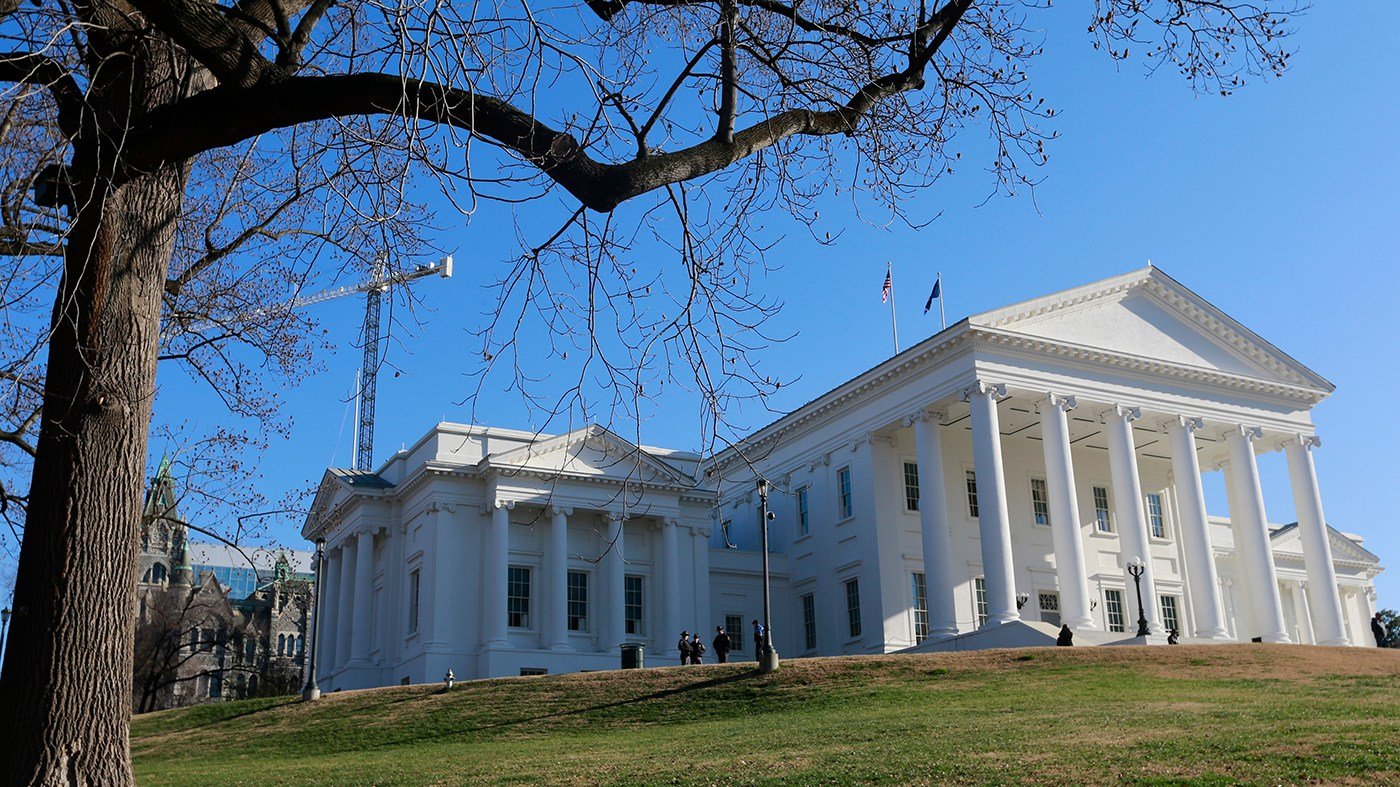
Virginia voters on Tuesday approved a constitutional amendment safeguarding reproductive rights, including access to abortion, contraception, and in-vitro fertilization, according to projections from Decision Desk HQ. The measure, known as the 'reproductive freedom' amendment, adds explicit protections for a range of reproductive health services to the state's founding document.
The amendment locks in existing state law, which permits abortion through the third trimester under certain conditions. Specifically, the procedure remains legal up to the point of fetal viability, after which it is allowed only if the fetus is not viable or a physician deems the abortion necessary to protect the mother's health or life. This framework aligns with the standard established under Roe v. Wade, which was overturned by the U.S. Supreme Court in 2022.

Beyond abortion, the amendment also protects access to birth control, fertility treatments like IVF, pregnancy-related care, and miscarriage management. Supporters argue that these protections are essential to ensuring that Virginia residents can make their own reproductive decisions without fear of legislative interference.
The passage marks a significant victory for reproductive rights advocates in a region where abortion access has been sharply curtailed. Virginia now stands as the only state in the South that has not banned abortion at or before 12 weeks of pregnancy, a distinction that could become even more pronounced as neighboring states enforce stricter limits.
Political analysts note that the amendment's success reflects broader national trends, as voters in several states have opted to protect abortion rights in the wake of the Dobbs decision. The outcome in Virginia could also influence upcoming races, including the high-stakes Senate contest in Kentucky, where voters are deciding McConnell's successor, and the competitive House rematch in Virginia's 2nd District, where Luria has ousted Kiggans.
Governor Glenn Youngkin, a Republican who had expressed support for a 15-week abortion ban, did not take a public stance on the amendment, but his administration will be bound by the new constitutional provision. The amendment's passage is expected to have immediate legal and political ramifications, with opponents vowing to challenge its scope in court.
For now, Virginia's constitutional protection of reproductive freedom stands as a benchmark in the ongoing national debate over abortion access. The measure's success is likely to embolden advocates in other states, while also intensifying efforts by conservative groups to push for federal restrictions. As the midterm elections unfold, the issue remains a potent mobilizing force for voters on both sides.
With the amendment now enshrined in the state constitution, Virginia joins a growing list of states—including California, Michigan, and Vermont—that have taken steps to codify reproductive rights. The long-term impact on Virginia's political landscape remains to be seen, but Tuesday's vote signals that reproductive freedom is a defining issue for the electorate.