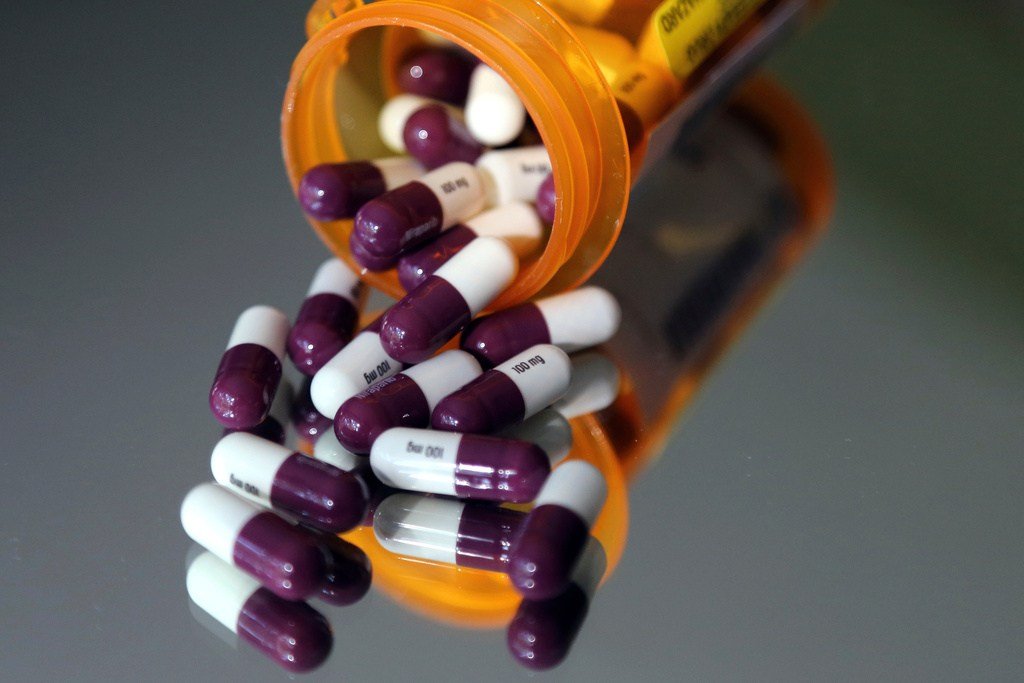
The discovery of a red speck on an allergy pill may have been the only thing preventing a public health catastrophe. In July, batches of cetirizine—the generic form of Zyrtec—were recalled after being contaminated with another drug during manufacturing in India. The contamination wasn't caught at the factory, nor by FDA import screening. It was caught only because a pharmacy technician happened to notice something amiss.
This incident underscores a troubling reality: current safeguards are insufficient to guarantee the purity and safety of medications Americans rely on daily.
Before entering Congress, I spent over three decades as a physician, prescribing medications like Zyrtec countless times. Parents brought children into my office with allergies, asthma, and eczema, and I wrote those prescriptions without ever doubting that the medicine inside the bottle matched the label. Today, that trust is increasingly dependent on factories thousands of miles away.
America has pushed much of its pharmaceutical supply chain overseas, leaving us heavily reliant on countries like China and India. More than 80 percent of the ingredients used to make essential medicines are produced abroad, including 90 percent of the raw materials for critical drugs such as penicillin and amoxicillin. China dominates the production of many of those raw materials, while India uses Chinese inputs to manufacture generics. There are serious questions about whether we can trust this supply chain.
American drug manufacturers face strict, unannounced FDA inspections. Foreign facilities, however, have historically received advance notice and are inspected less frequently, despite supplying a large share of the medicines Americans use. Even with warning, foreign plants are still cited for serious quality problems at significantly higher rates than domestic facilities.
When the medicine our children take, the antibiotics hospitalized patients depend on, and the drugs that millions use to manage chronic conditions are manufactured abroad, we no longer have just a health care issue—we have a national security vulnerability. An adversary could cut off our supply of life-saving medicines or contaminate them before they reach our shores, harming millions without firing a shot.
That's why I and my colleagues have been working with President Trump to address this vulnerability. The administration has ended advance notice for overseas FDA inspections, holding foreign plants to the same rigorous standards as domestic ones. President Trump also signed an executive order directing the FDA to improve risk-based inspections, strengthen oversight of foreign facilities, and remove barriers to domestic production of critical medicines.
But strengthening oversight of imported drugs is only part of the solution. We must rebuild our capacity to manufacture critical medicines here at home. Missouri is leading the way: Sentio BioSciences, based in Maryland Heights, has partnered with the St. Louis API Innovation Center, which received a $14 million Defense Production Act award. Sentio is working to produce key drug ingredients domestically using advanced technology, making production affordable while allowing quick shifts to respond to shortages.
Bringing production back to the United States—especially to Missouri—will secure our drug supply, protect patients, and restore the manufacturing capacity we should never have surrendered. Americans should not be at the mercy of foreign countries for the medicines they rely on. We should be making more here at home, where we can oversee how they are made and hold manufacturers accountable. At the end of the day, every American should be able to open their medicine cabinet and trust that what's inside is safe.
Bob Onder represents Missouri's 3rd District in Congress and is a member of the GOP Doctors Caucus.