A fresh survey released just two weeks before the midterm elections reveals that a significant share of American voters are feeling financial strain. According to the NPR/PBS News/Marist Poll, 40% of respondents said their household financial situation has deteriorated over the last twelve months, while only 16% reported an improvement.
The poll, conducted October 19-20 among 1,289 registered voters, found that 41% said their finances have remained stable, while a small fraction were unsure or declined to answer. The margin of error is plus or minus 3.7 percentage points.
The findings underscore the central role that the economy and rising costs are playing in the upcoming elections. With inflation ticking up in September—particularly for energy, gas, and electricity—voters are increasingly worried about their pocketbooks. Gas prices have climbed sharply, with the national average for regular unleaded now around $4.27 per gallon, up from roughly $3.05 a year ago. Diesel has surged even more dramatically, averaging $6.35 per gallon compared to $3.66 last year.
Democrats have sought to blame the Trump administration's tariff policies and the ongoing war in Iran for the price increases. The closure of the Strait of Hormuz, a critical oil shipping lane, has further disrupted global energy markets and contributed to higher costs at the pump.
The political implications are clear: the same survey shows Democrats holding a 10-point lead in generic congressional balloting, with 52% of respondents saying they would vote for the Democratic candidate in their district, versus 42% for the Republican. Two percent backed a third-party candidate, and the rest were undecided or declined to answer.
This economic anxiety is part of a broader mood of national pessimism. A recent poll found that a record 71% of Americans believe the country is on the wrong track, a sentiment that could drive turnout and shape outcomes in competitive races.
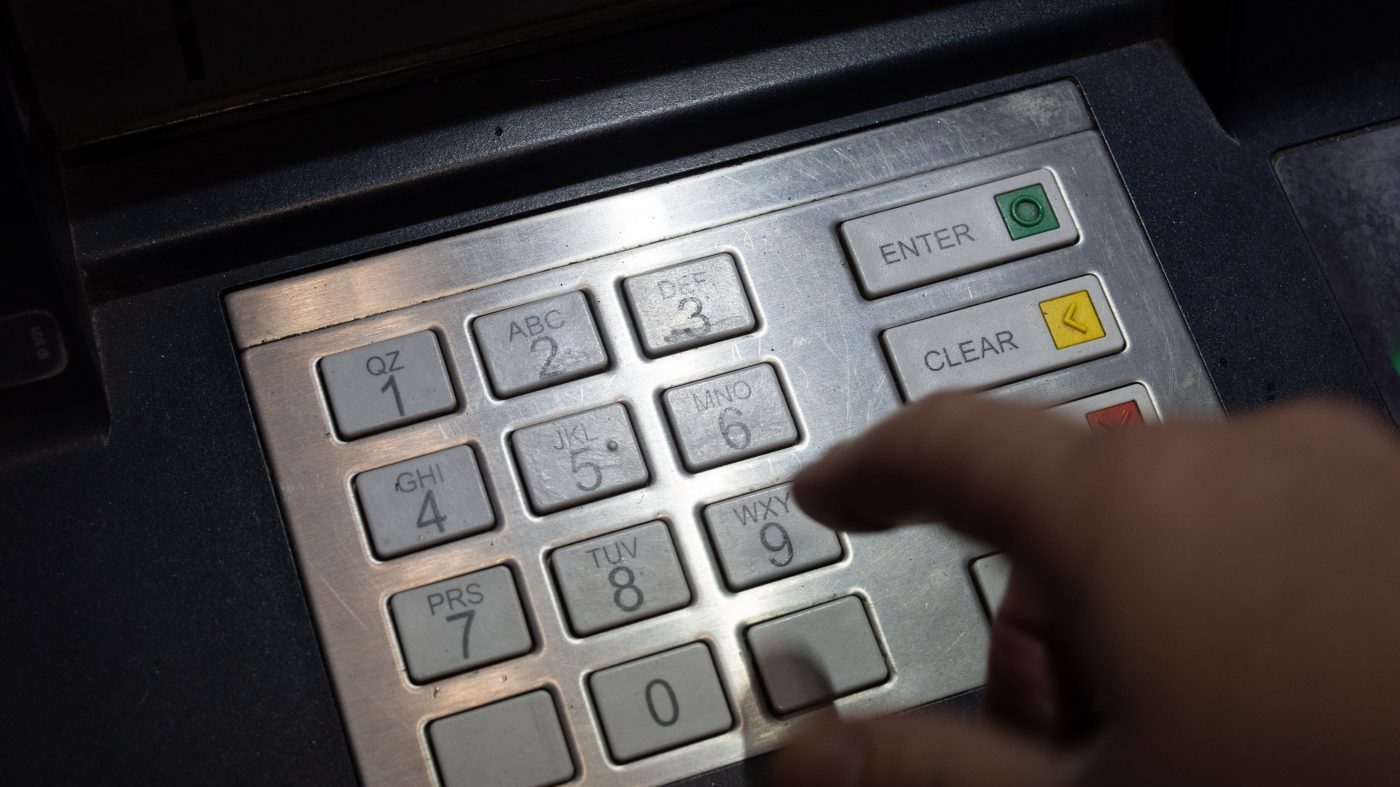
Meanwhile, the financial strain is not limited to everyday expenses. AI-related scams have drained $148 billion from Americans, adding another layer of economic insecurity for many households. As Congress debates how to regulate artificial intelligence, some lawmakers are pushing for personal liability for AI executives whose products enable fraud.
With the midterms looming, the state of the economy remains a top concern for voters. The Marist poll suggests that financial discontent could be a decisive factor, as Americans head to the polls with their wallets on their minds.