As the midterm elections conclude, the lasting legacy of this campaign season may be two political advertisements that pushed the boundaries of decency, each sparking backlash that could reshape political careers. The ads, one from Ohio's Republican gubernatorial candidate Vivek Ramaswamy and one from a left-wing PAC supporting Michigan Senate hopeful Abdul El-Sayed, have become emblematic of a race defined by its lows.
Ramaswamy's ad featured the biological mother of his Democratic opponent, Amy Acton, calling her daughter a liar. The ad, however, concealed a disturbing backstory: Acton's mother abandoned her at age 12 after Acton accused her stepfather of sexual assault. The mother fled the state with the accused, staying with him until his death, rather than supporting her daughter. The ad, initially released anonymously on social media, was later confirmed to be the work of Ramaswamy's campaign, despite internal objections from staff who noted the mother's apparent instability—she was living in a church parking lot with cats.
Ramaswamy, with backing from President Trump and Vice President JD Vance, doubled down on the ad, defending it as fair game. But the public response was swift and severe. Polls showed Ramaswamy's support cratering after the ad aired, with many voters appalled at the weaponization of a child rape allegation for political gain. The ad became an October surprise that backfired, likely ending Ramaswamy's political ambitions.
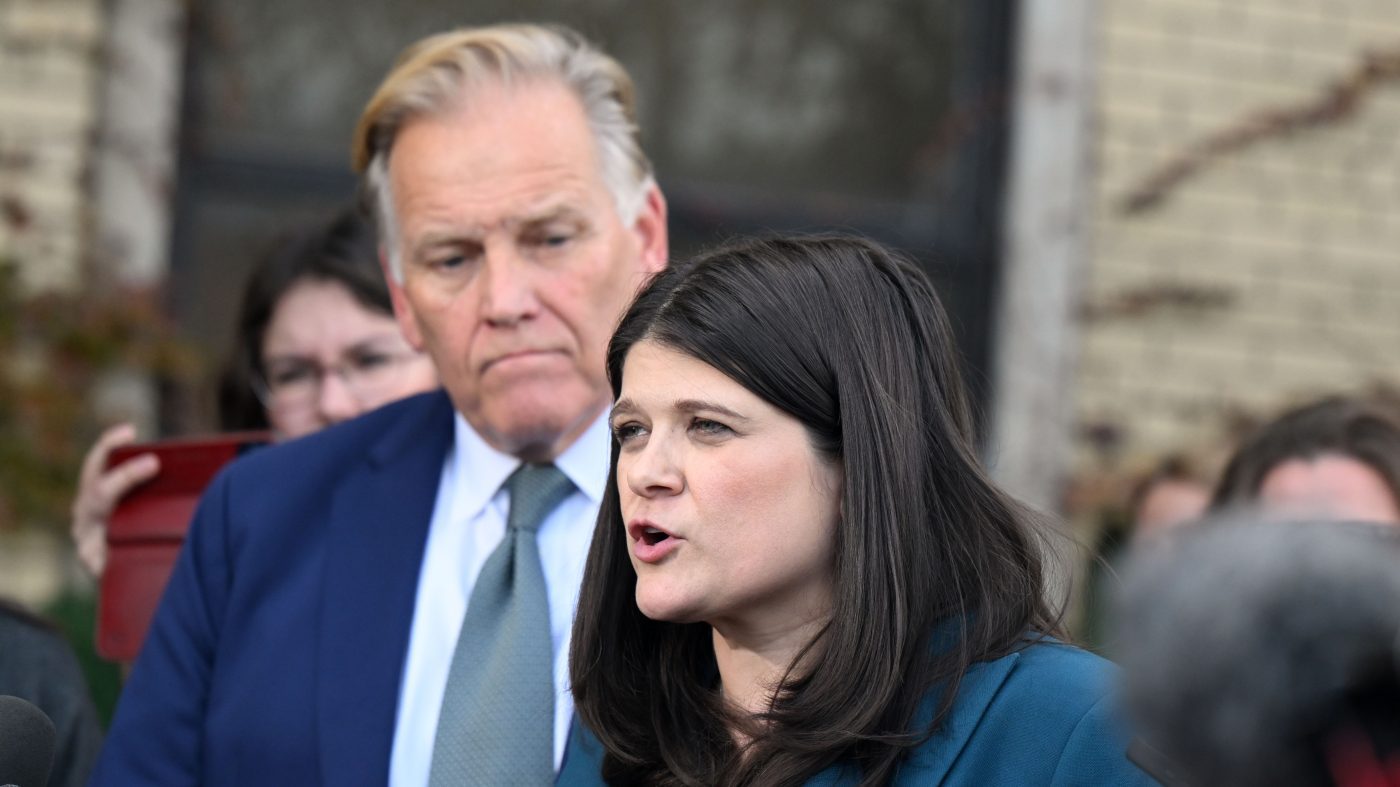
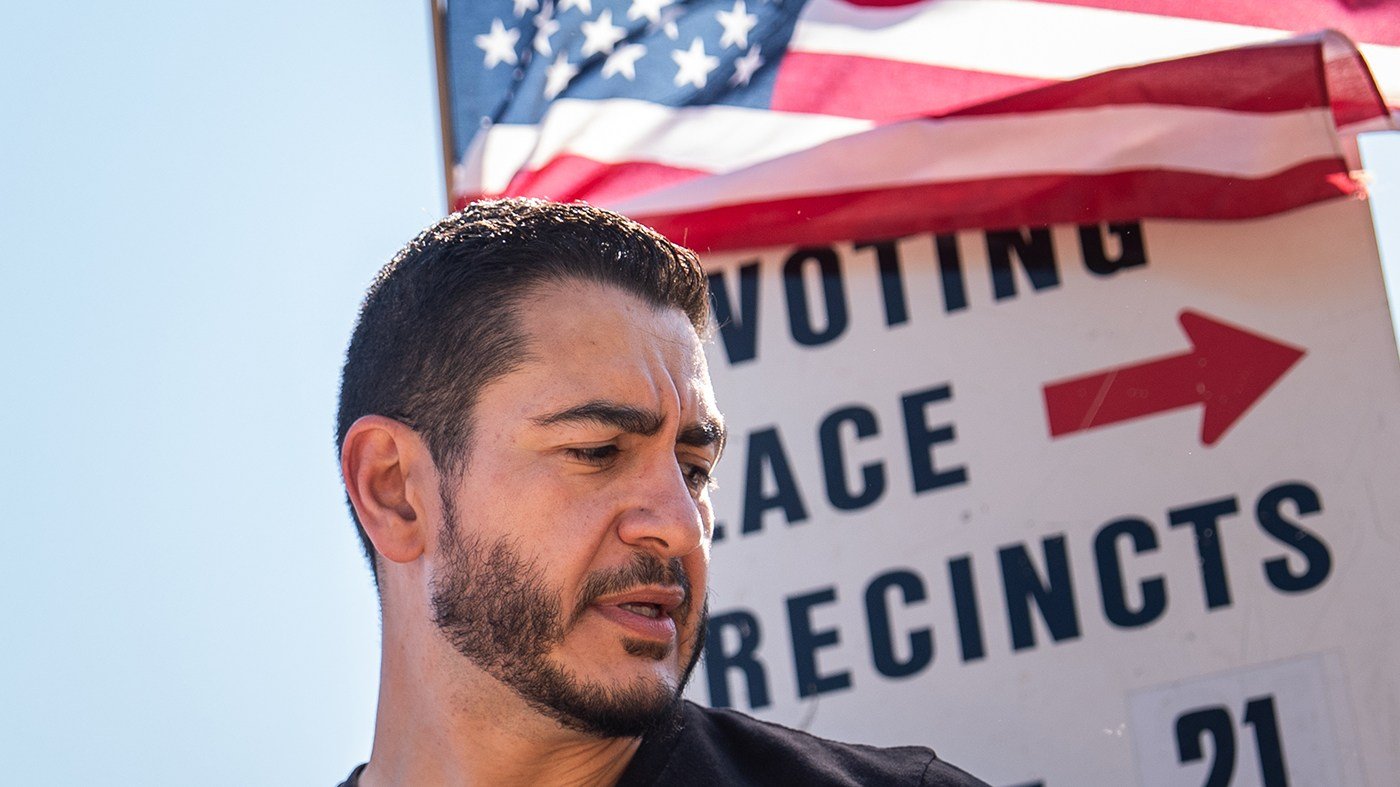
On the left, a similar controversy erupted over an ad from Cenk Uygur's Rebellion PAC supporting El-Sayed in Michigan. The ad depicted a couple in a grocery store unable to afford bananas for their children, blaming the cost on "killing Palestinians," and closed with a jab at Republican Mike Rogers, saying "Abdul El-Sayed is for you." The ad was widely condemned as antisemitic, with critics noting it scapegoated Jews for economic hardship. El-Sayed's response was tepid: he distanced himself from the ad but did not outright condemn it, prompting Rep. Haley Stevens, a Democratic primary rival, to call him out for echoing similar rhetoric throughout his campaign.
Stevens had agreed to appear with El-Sayed on the campaign trail, but only if he denounced the ad and his own past statements. El-Sayed refused, and Stevens instead endorsed his Republican opponent, Mike Rogers. The episode highlighted a growing intolerance among voters and politicians for such tactics, even as some candidates seem willing to embrace them.
These ads, and the reactions they provoked, suggest that while some politicians may have abandoned moral compasses, the electorate has drawn a line. Whether this translates into electoral consequences remains to be seen, but the message is clear: the public's tolerance for such tactics has its limits. As the results come in, the political futures of Ramaswamy and El-Sayed may hinge on how voters judged their choices.