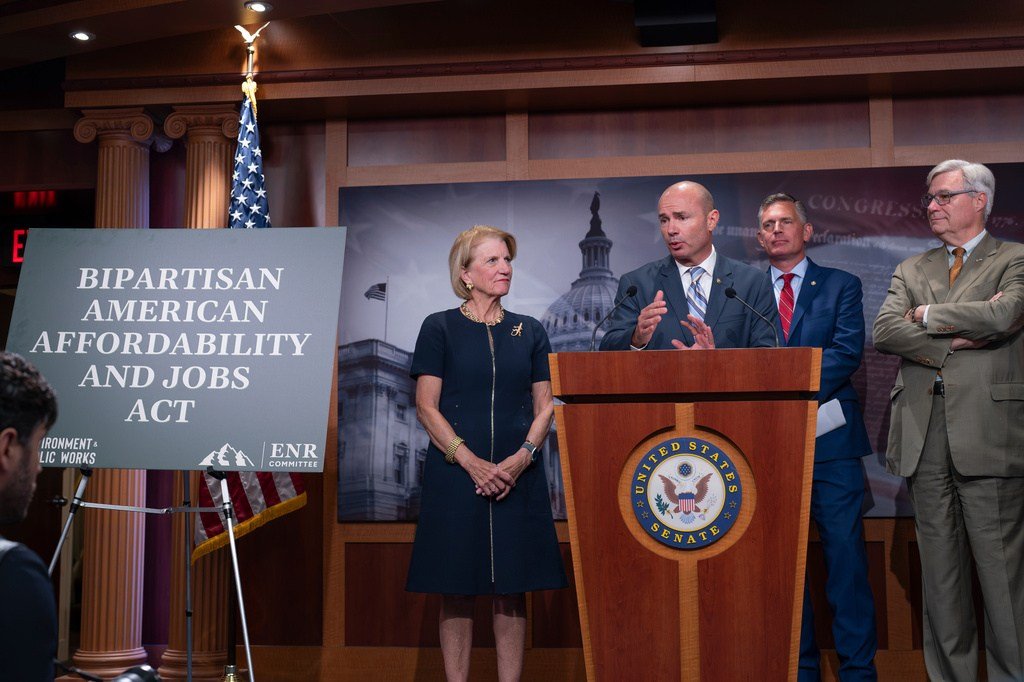
The Senate is scheduled to take up the Bipartisan American Affordability and Jobs Act on Nov. 9, a measure that could become one of the most consequential climate policies in U.S. history. Yet a coalition of 222 environmental organizations, including Greenpeace USA, the Climate Justice Alliance, and the Center for Biological Diversity, has urged lawmakers to reject it, warning that the bill's environmental trade-offs would overshadow its climate gains.
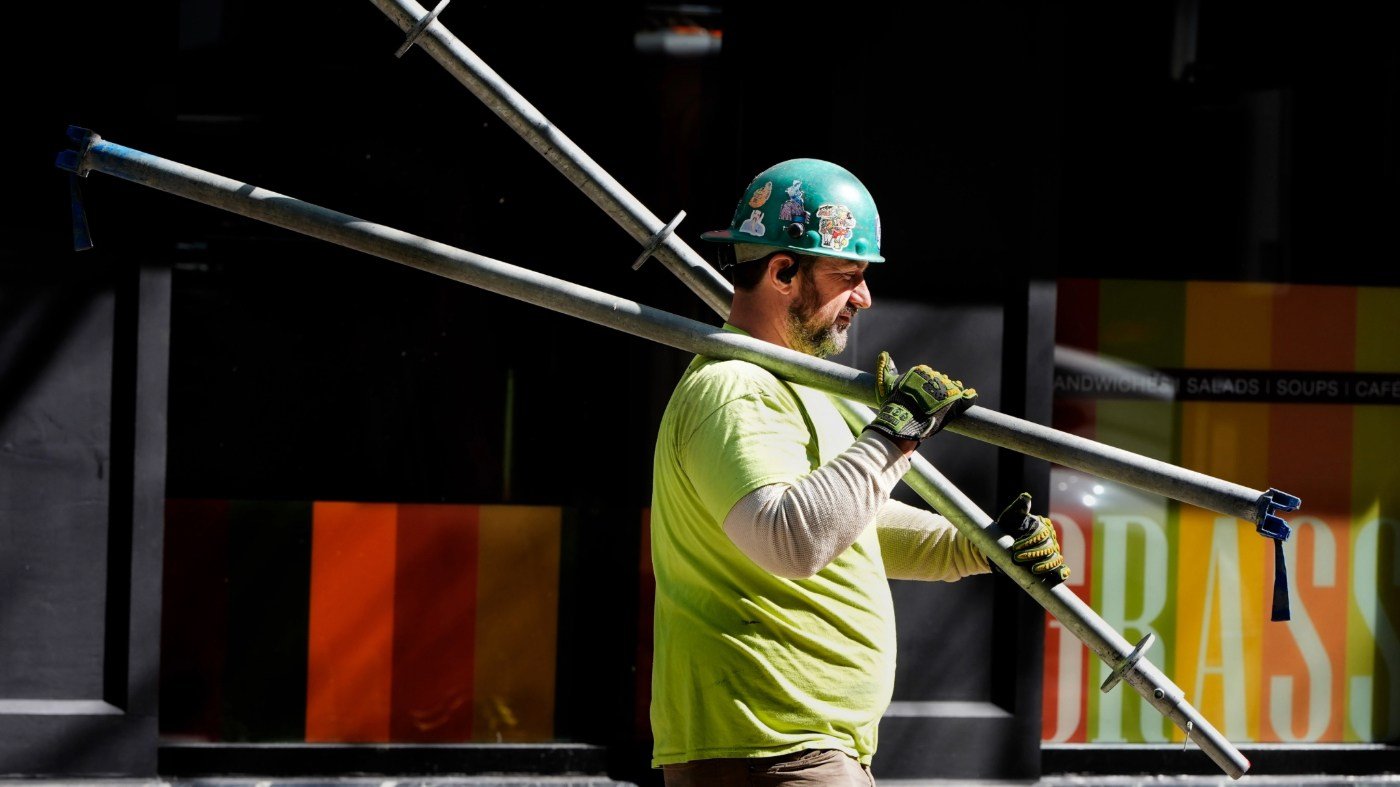
The legislation targets a well-documented bottleneck: America's clean energy transition is stalling under the weight of slow permitting, outdated grid infrastructure, and years-long litigation. Solar and wind developers often spend more than a decade securing approvals, navigating environmental reviews, and fending off lawsuits before breaking ground. The bill would impose deadlines for federal permitting, streamline grid connections, limit legal challenges to 150 days after environmental reviews, and bar presidents from revoking permits or singling out energy sources for political reasons—a direct response to the Trump administration's repeated attempts to block offshore wind projects.
The economic case for reform has never been stronger. Globally, 91 percent of renewable capacity added in 2024 was cheaper than fossil fuel alternatives. Solar panel costs have plunged 90 percent over the past decade, onshore wind by 70 percent, and batteries by more than 90 percent. The challenge is no longer affordability but whether America's convoluted procedures allow projects to be built at all.
The scale of the backlog is stark: as of December, 773 gigawatts of solar capacity were waiting in interconnection queues—more than two and a half times the total solar capacity currently installed nationwide. A review of proposals filed between 2016 and 2020 found that 11.3 percent of solar capacity in red states became operational, versus 5.4 percent in blue states, underscoring how regulatory hurdles in climate-ambitious states can backfire.
Even after permits are secured, appeals can drag on for over two years, often brought by environmental groups themselves. This uncertainty forces developers to hold land without revenue, making otherwise viable projects uneconomical while fossil fuels fill the gap. The bill aims to fix that by imposing deadlines, coordinating grid upgrades, and giving regulators clearer authority to approve interstate transmission lines.
Opponents argue that easing permitting for fossil fuel projects is an unacceptable concession. But the status quo does not displace fossil fuels; it entrenches them as the only option. With solar, onshore wind, and battery storage making up 93 percent of planned U.S. electricity additions for 2026, clean energy is well positioned to benefit from streamlined rules. The American Clean Power Association projects the bill could cut carbon emissions by 290 million metric tons annually—a 6 percent reduction—while helping meet surging electricity demand without sacrificing affordability.
The letter from environmental groups also contends that weakening environmental laws would cause damage that outweighs the emissions reductions. That is a legitimate concern for specific provisions, and lawmakers should pursue amendments, particularly on tribal sovereignty and judicial remedies. But measured against the status quo, the accelerated yet still law-abiding buildout of clean energy poses far less risk to air, water, and ecosystems than continued fossil fuel extraction and worsening climate change.
The groups also argue that now is not the time for compromise, and that a future Democratic Congress could pass a more favorable package. That is a dangerous gamble. This polarized Congress has passed no comparable bipartisan reforms; its closest success, the 21st Century ROAD to Housing Act, went unsigned by the president. If Democrats reject this bill, they may politicize future reform efforts under a president who has shown willingness to punish Democrats by rejecting popular legislation. The fallout from the Inflation Reduction Act demonstrated that waiting for one-party control is no recipe for stable climate policy.
This legislation may not satisfy every environmentalist's wish list, but rejecting a rare bipartisan opportunity to modernize 50-year-old laws for the century's most urgent environmental challenge—because it's not perfect—would be a historic mistake. As the Senate prepares to vote, the question is whether environmental groups will let the perfect be the enemy of the good, or seize a chance to actually build a cleaner future.