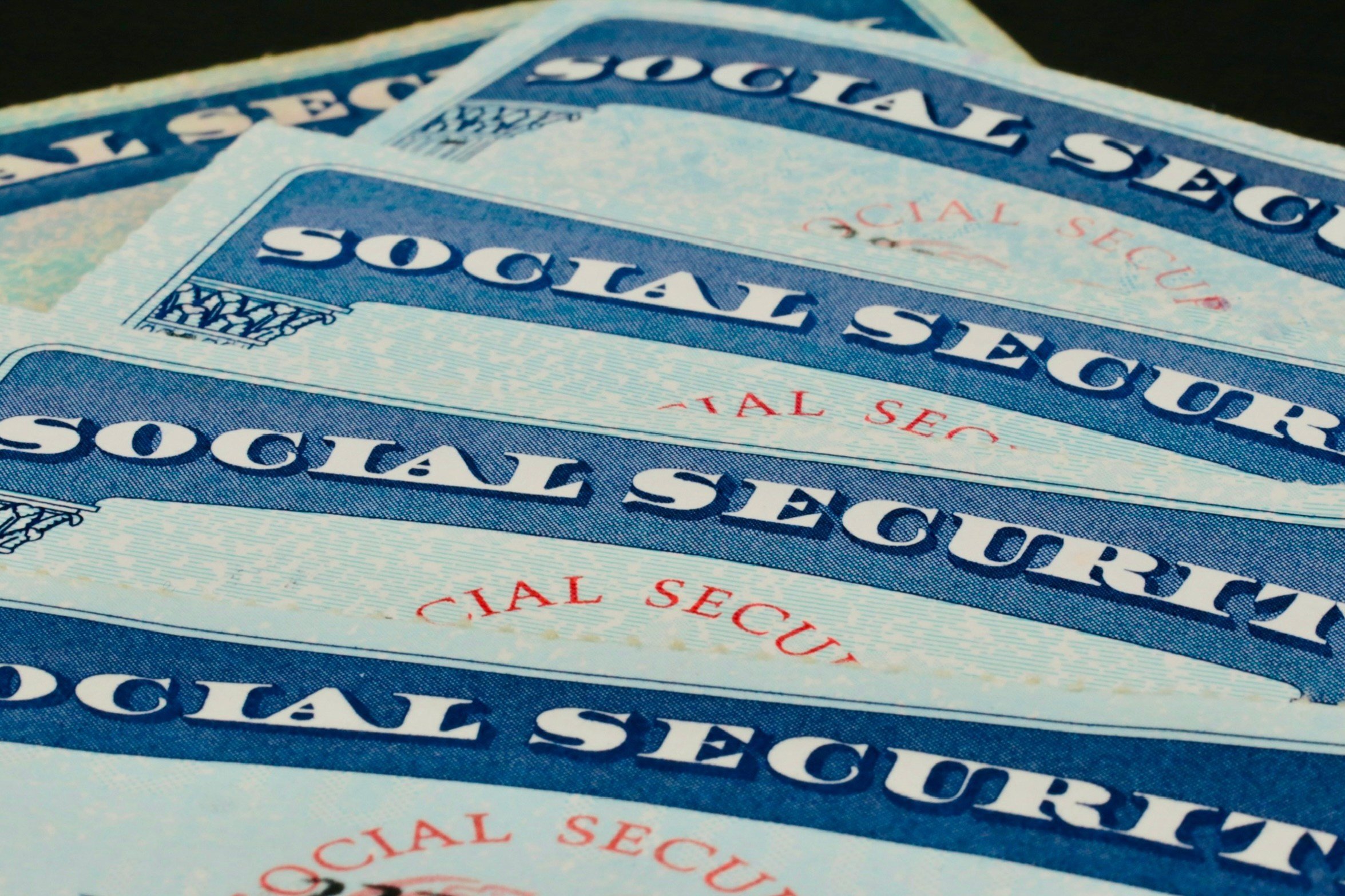
The Social Security Administration (SSA) announced Tuesday that it has corrected nearly 15% of active Social Security numbers since the start of the Trump administration, a sweeping data integrity effort that touches tens of millions of Americans.
In a statement, the agency said it has added death dates to 17 million records that previously lacked them and updated citizenship information in roughly 25 million records where that data was missing. The changes are part of an ongoing push to improve the accuracy of the agency's database, which underpins benefits, identity verification, and a range of government and private-sector services.
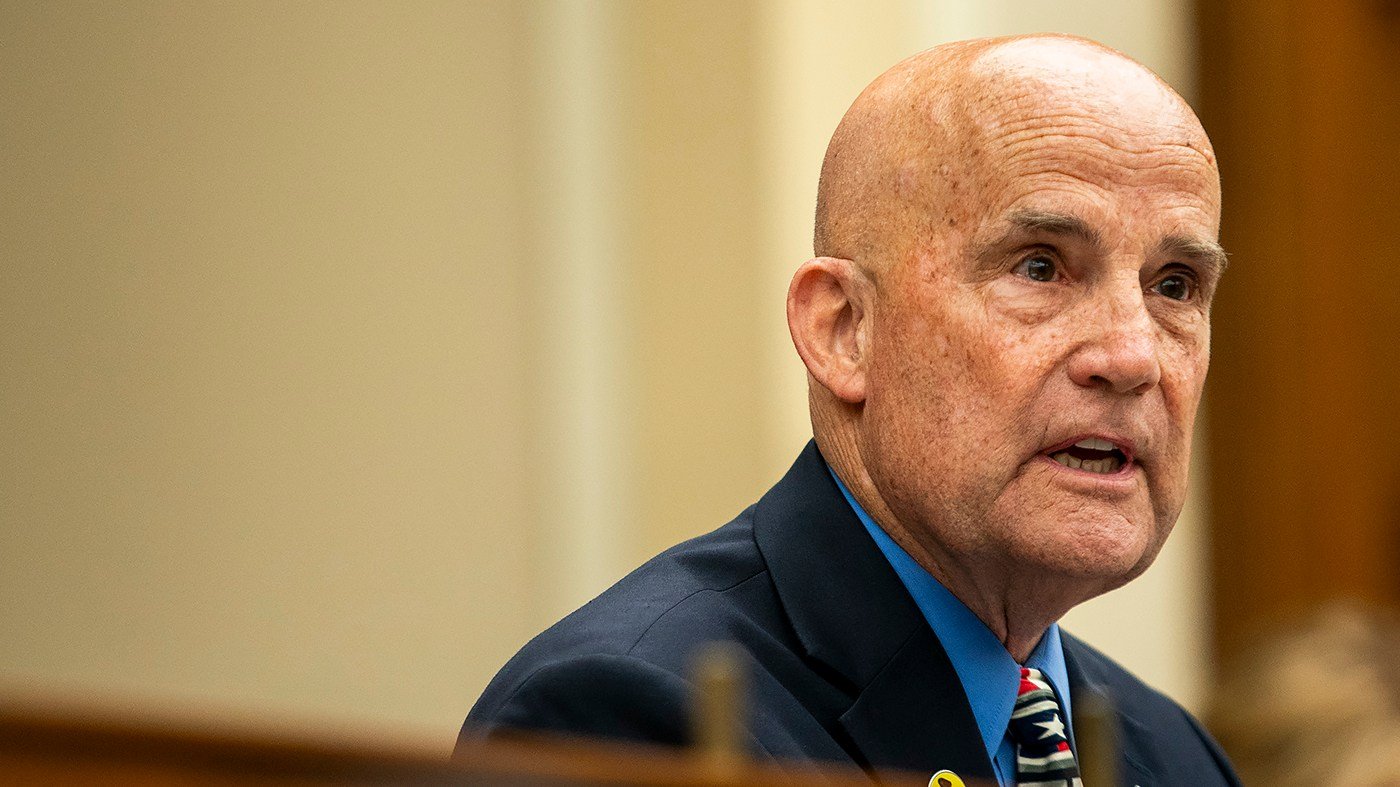
SSA Commissioner Frank Bisignano touted the scale of the project, calling it unprecedented. "This is the first time SSA has undertaken an effort of this scale, and I am proud of the work we have done to strengthen the foundation of identity data relied upon throughout government and the economy," he said in the release.
The timing of the announcement is notable. With the midterm elections approaching, the integrity of Social Security records has become a flashpoint in political debates over voter rolls, benefits, and government efficiency. The agency's updates could have implications for how citizenship status is verified in federal databases, a topic that has drawn scrutiny from both parties.
Some conservative groups have pressed for stricter citizenship verification in federal programs, while Democrats have warned against overreach that could disenfranchise eligible voters. The SSA's move to fill in citizenship gaps may fuel those discussions, especially as outside groups spend heavily on races where such issues resonate.
The agency's corrections also come as Social Security faces a long-term funding cliff. The program's trustees have projected that the trust fund could be depleted by the early 2030s, which would trigger automatic benefit cuts. That looming deadline has made the accuracy of beneficiary records more critical, as errors could complicate the administration of benefits during a period of fiscal strain.
Bisignano's statement emphasized that the effort is about reinforcing the reliability of identity data, which is used not just by the SSA but by other federal agencies, financial institutions, and employers. The updates, he said, will help ensure that benefits go to the right people and that government systems operate on sound information.
Critics, however, have questioned the administration's methods and motivations. Some advocacy groups have expressed concern that aggressive data matching could lead to improper terminations or delays in benefits for legitimate recipients. The SSA has not detailed how the corrections were verified or whether any individuals were affected by erroneous changes.
The announcement is likely to intensify scrutiny of the agency's operations, particularly as partisan tensions over government integrity and national security continue to simmer. The SSA's role in maintaining accurate records is seen as vital to public trust, and any missteps could have political fallout.
Looking ahead, the agency says it will continue to refine its database and is exploring additional ways to enhance data accuracy. Whether those efforts will satisfy lawmakers and the public remains to be seen, but the scale of the corrections already made suggests that the SSA is moving aggressively to address long-standing gaps.