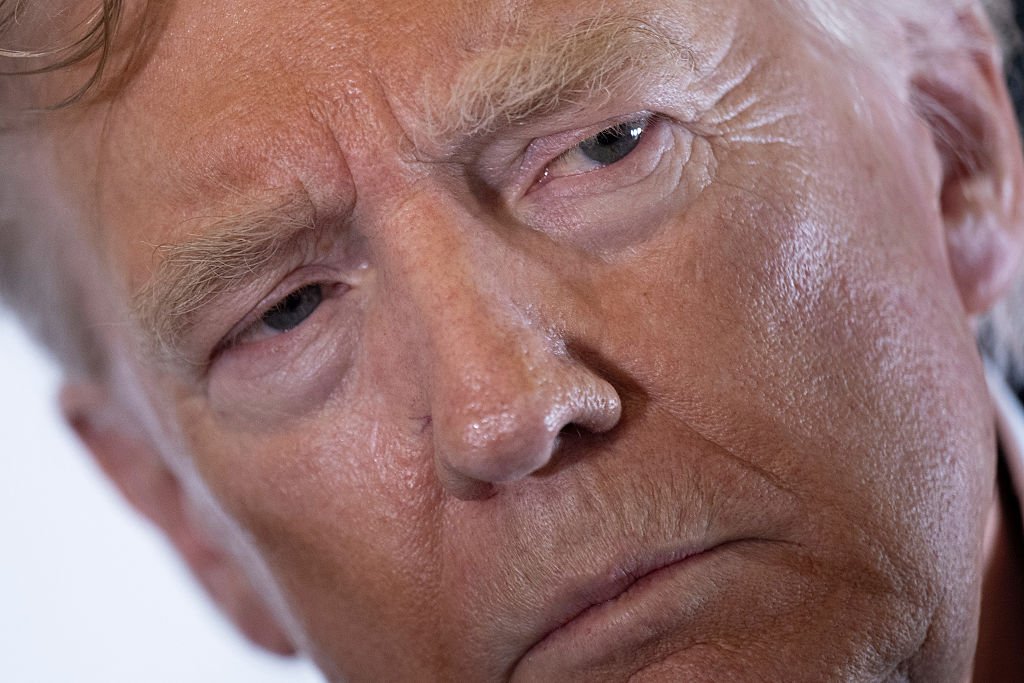
Former President Donald Trump has launched a public campaign against Supreme Court justices he appointed, accusing them of disloyalty for rulings that contradict his political and legal positions. The outburst follows oral arguments on birthright citizenship where Trump reportedly failed to secure support from Justices Neil Gorsuch and Amy Coney Barrett.
In posts on Truth Social, Trump characterized his appointees' independent judicial reasoning as betrayal, labeling them "unpatriotic," "fools and lapdogs," and an "embarrassment to their families." He contrasted them with Democratic-appointed justices, suggesting they show more loyalty to the presidents who nominated them. This confrontation reveals Trump's expectation that judicial nominees should function as political allies rather than independent arbiters.
The Loyalty Litmus Test
While presidents naturally select judges whose legal philosophies align with their own, Trump has elevated this practice to demand explicit fealty. He has made clear that deviation from his preferred outcomes constitutes disloyalty warranting public rebuke. This approach blurs the constitutional separation between the executive and judicial branches, treating federal judges as extensions of presidential authority rather than independent officers.
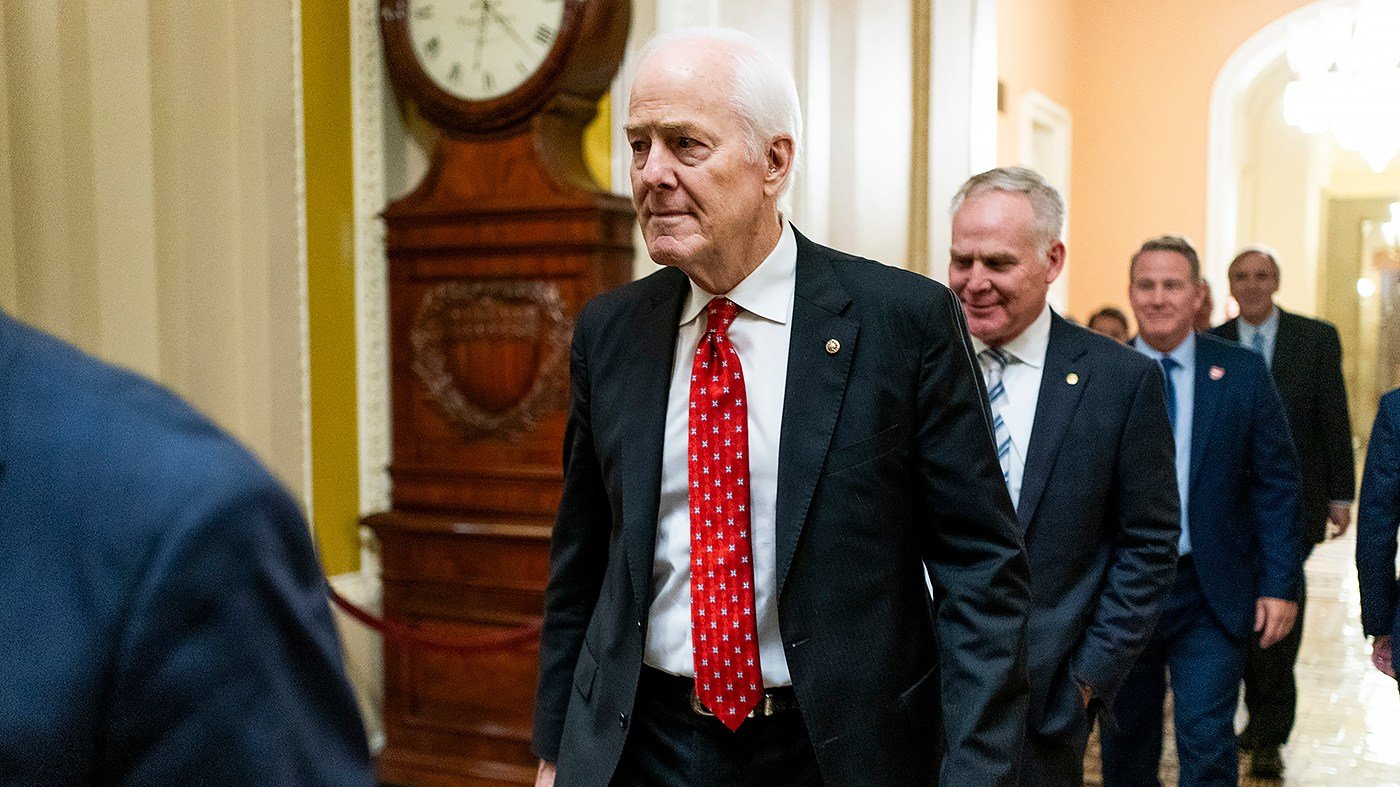
The situation echoes broader patterns of Republican leadership struggling to respond to Trump's confrontational tactics, even when they challenge institutional norms. The public chastisement of Supreme Court justices represents an escalation in Trump's willingness to pressure all branches of government.
Institutional Consequences
Trump's demands raise alarming questions about judicial independence. Should nominees be so loyal to their appointing president that they rule favorably in every relevant case? If this standard becomes normalized, future administrations of both parties would face pressure to select judges based primarily on personal loyalty rather than judicial temperament or legal expertise.
The potential erosion of judicial independence intersects with concerns about expansive executive power threatening other democratic institutions. A judiciary perceived as politically obedient would undermine public confidence in the rule of law and the courts' ability to check executive overreach.
Presidents have every right to expect their nominees to share general philosophical leanings, but no right to guaranteed outcomes in specific cases. The Constitution establishes federal judges with lifetime tenure specifically to insulate them from political pressure, including from the presidents who appoint them.
The Silver Lining of Independence
Paradoxically, Trump's anger may demonstrate the system working as designed. The rulings that provoked his ire—on birthright citizenship and earlier tariff cases—show his appointes exercising independent judgment contrary to the appointing president's wishes. This suggests the constitutional safeguards of lifetime tenure and separation of powers continue to function.
The public nature of this conflict serves as a real-time civics lesson about judicial independence. It highlights the distinction between the executive branch, where loyalty is routinely expected, and the judicial branch, where fidelity must be to the Constitution and law above any individual.
As Trump continues to shape the Republican judicial selection process, his demands for loyalty will test whether future nominees prioritize constitutional principles or political allegiance. The resolution of this tension will determine whether the judiciary maintains its role as a co-equal branch or becomes merely another arena for political loyalty tests.