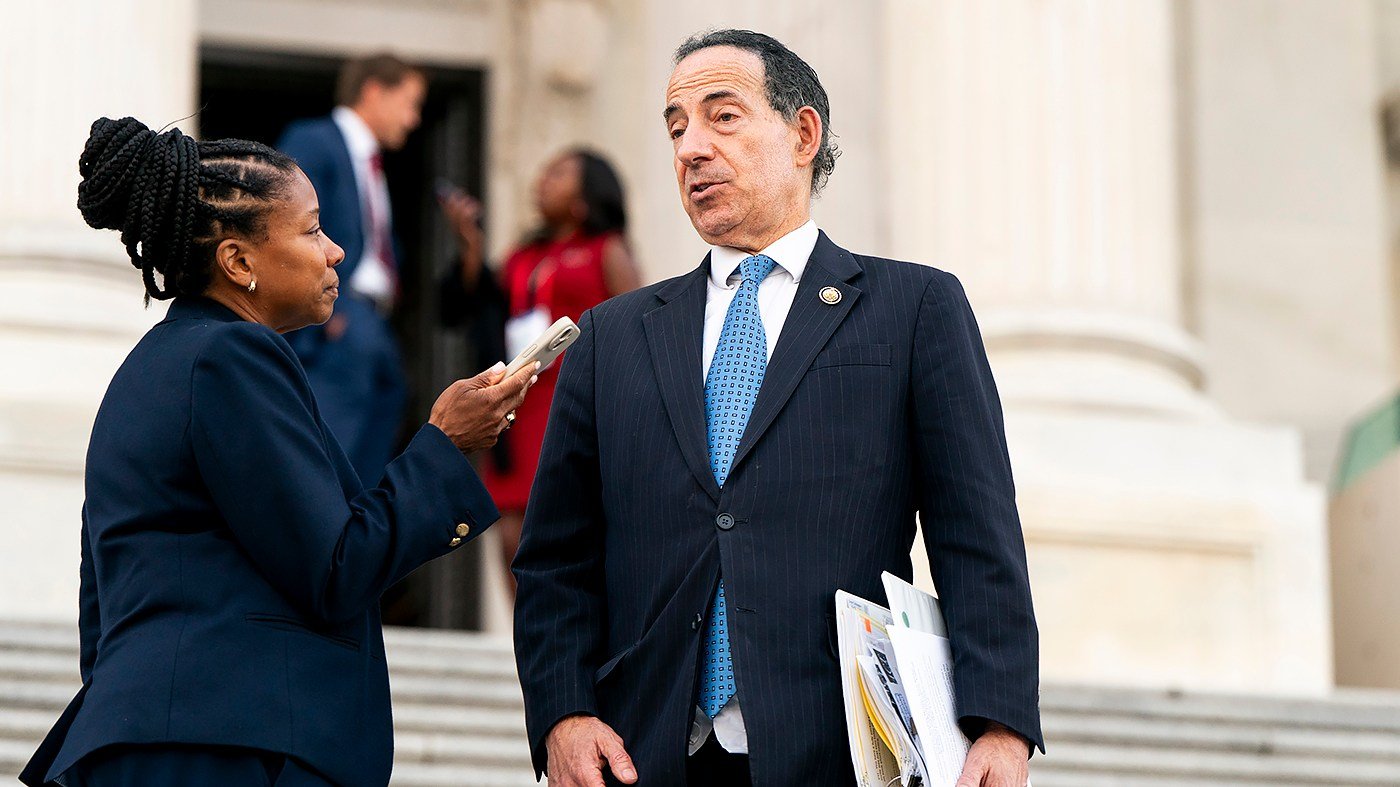
House Judiciary Committee ranking member Jamie Raskin (D-Md.) has put oil companies on notice, warning that they will face legal repercussions if they import Russian diesel. The warning comes in the wake of President Donald Trump's announcement of a deal to bring Russian fuel to the U.S. market, a move that has sparked bipartisan concern over its implications for sanctions and energy policy.
In a letter addressed to major energy trade groups, including the American Petroleum Institute and the American Fuel and Petrochemical Manufacturers, Raskin cautioned that any involvement in importing Russian diesel could violate federal law. He stated that companies proceeding with such imports would be held accountable to the fullest extent of the law, emphasizing that the administration's actions do not shield private firms from legal liability.

The controversy began when Trump took to Truth Social to announce a significant fuel arrangement with Russian President Vladimir Putin. According to the post, Russia would supply over 300,000 tons of diesel to the American and global marketplace, with an additional 500,000 tons in November and 1 million tons immediately thereafter. The announcement has raised eyebrows given ongoing tensions over Russia's invasion of Ukraine and existing sanctions on Russian energy exports.
Raskin's letter, reported by Politico, underscores the legal risks for U.S. companies that might be tempted to participate in the deal. He pointed out that importing Russian oil products could run afoul of sanctions and other legal frameworks, potentially exposing firms to penalties or prosecution. The letter serves as a stark warning to the industry, which has largely remained silent on the matter.
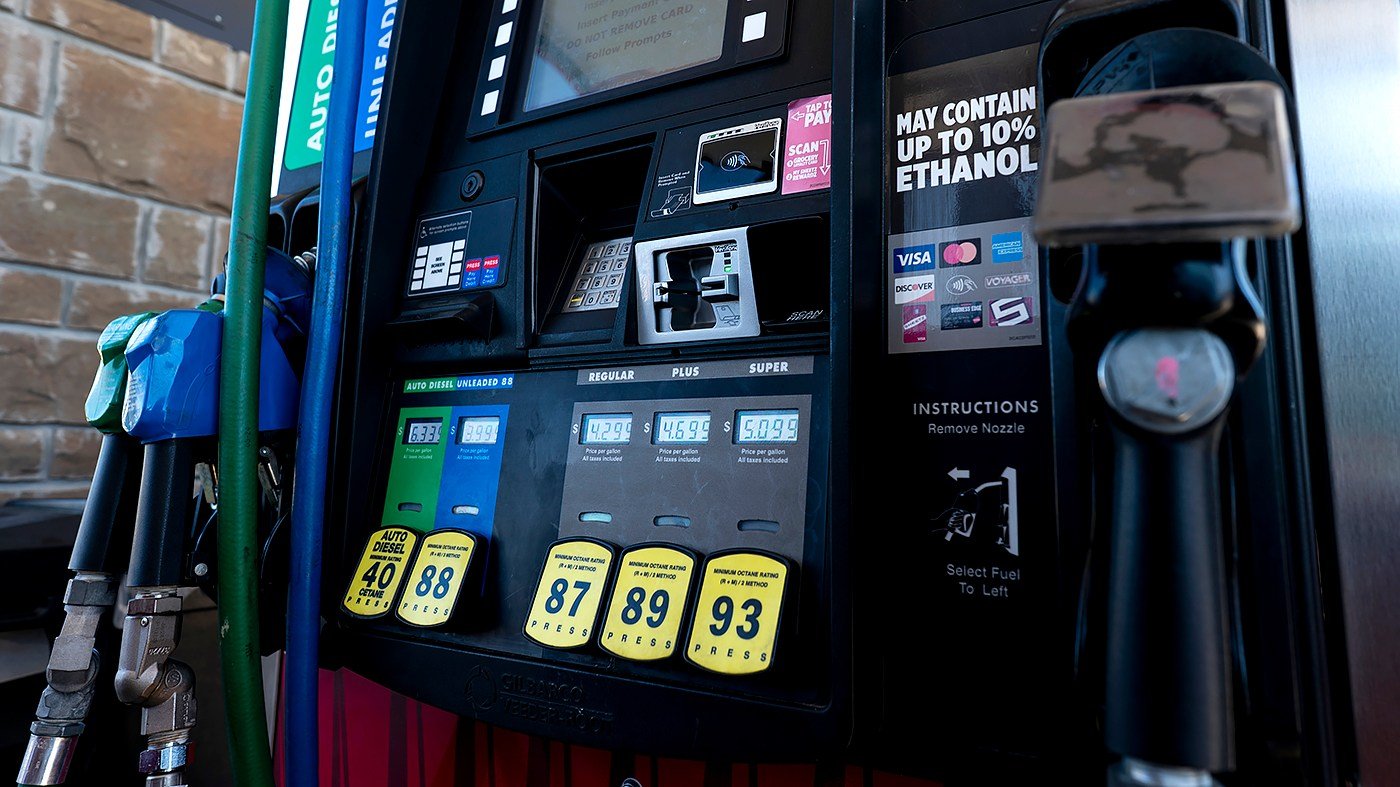
The development adds to a growing political storm around Trump's energy policies. Critics argue that the deal undermines efforts to isolate Russia economically and could weaken the transatlantic alliance. Some have also linked the move to rising diesel costs domestically, which have become a political liability for the administration. For context, farm aid has fallen short as diesel prices remain elevated, adding pressure on rural communities.
Meanwhile, European leaders have expressed concern that the deal could undercut ceasefire efforts in Ukraine. Czech leaders have suggested that the arrangement may complicate diplomatic initiatives. The first tanker carrying Russian diesel to the U.S. has already set sail, sparking a political storm as it approaches American shores.
The White House and the energy trade groups have not yet responded to requests for comment. However, the legal threat from Raskin could have a chilling effect on companies considering participation in the deal. Legal experts note that while the president has broad authority in foreign affairs, private entities must still comply with existing sanctions laws unless explicitly exempted.
This clash highlights the tension between executive actions and congressional oversight. Raskin's move signals that Democrats are prepared to use their oversight powers to challenge the administration's energy diplomacy. As the midterm elections loom, the issue could become a flashpoint in campaigns across the country, particularly in states where energy costs are a top concern.