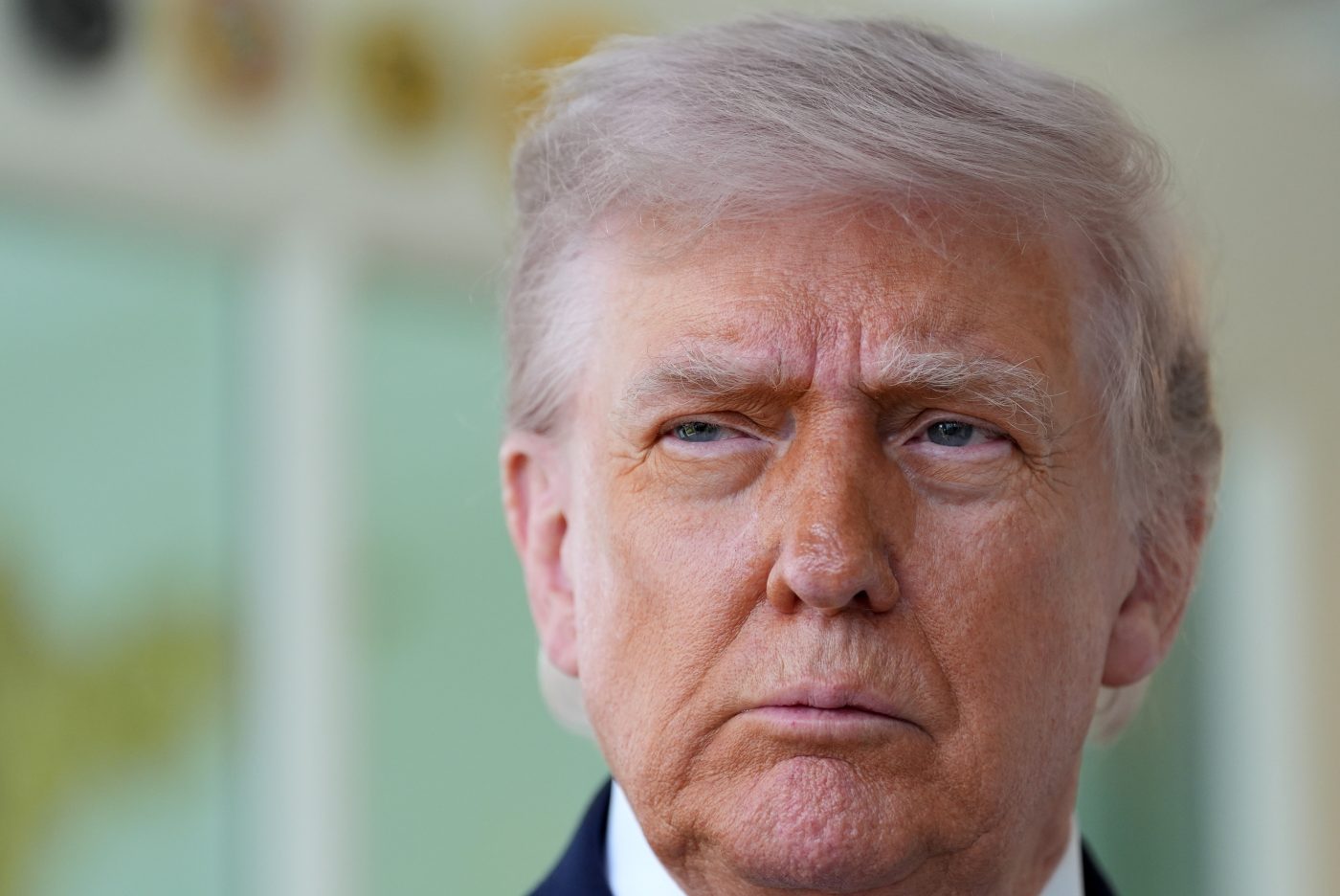
Former President Donald Trump publicly condemned Italian Prime Minister Giorgia Meloni in an interview published Tuesday, expressing dismay over her defense of Pope Leo XIV and questioning Italy's commitment to NATO security objectives in the Middle East.
Speaking to Corriere della Sera, Trump stated he was "shocked" by Meloni's recent criticism of his own remarks about the pontiff. "Do Italians approve of a prime minister who offers no assistance on oil security?" Trump asked rhetorically. "I can't imagine she is popular. I believed she was courageous, but I was mistaken."
A Diplomatic Rift Over Vatican Remarks
The exchange follows a statement from Meloni on Monday in which she characterized Trump's recent attacks on the Pope as "unacceptable." The Italian leader, who heads the right-wing Brothers of Italy party, affirmed the Pope's role as head of the Catholic Church and his right to advocate for peace. Trump countered sharply, telling the newspaper, "It is she who is unacceptable," and alleging Meloni shows disregard for the threat of a nuclear Iran.
When questioned about their communication, Trump noted they had not spoken "in a long time," marking a notable chill in a relationship that previously included at least two White House visits by Meloni last year for bilateral and multilateral discussions on Ukraine.
Broader Critique of NATO and European Allies
Trump used the platform to renew his critique of Pope Leo XIV's engagement with Middle Eastern affairs, claiming the pontiff lacks understanding of regional dynamics, including protest casualties in Iran. The interview quickly pivoted to transatlantic security, with Trump framing Italy's reluctance to deploy naval assets like minesweepers to the Strait of Hormuz as symptomatic of broader failures within the NATO alliance, which he labeled a "paper tiger."
Italy, a founding NATO member, has not acquiesced to U.S. requests for military support in securing the strategic waterway amid ongoing tensions with Iran. This dispute echoes Trump's recent criticisms of other European allies over their Iran policies and energy resources.
The public fraying with Meloni is particularly striking given her political alignment with Trump on many right-wing priorities. It underscores the former president's willingness to publicly feud with institutional figures and allies alike when he perceives a lack of support for his policy objectives, particularly those concerning Iran. The administration's approach to Iran remains a dominant foreign policy focus, as seen in ongoing but stalled negotiations praised by Trump.
This incident also reflects the complex intersection of diplomacy, energy security, and alliance politics that defines Trump's second-term foreign policy. The demand for European assistance in the Gulf comes alongside domestic policy moves, such as an administrative order to collect banking citizenship data, highlighting the administration's broad operational tempo.
Ultimately, Trump's blunt assessment of Meloni and NATO signals a continued preference for confrontational, transactional diplomacy, straining traditional alliances while seeking concrete material support for U.S.-led security initiatives in volatile regions.