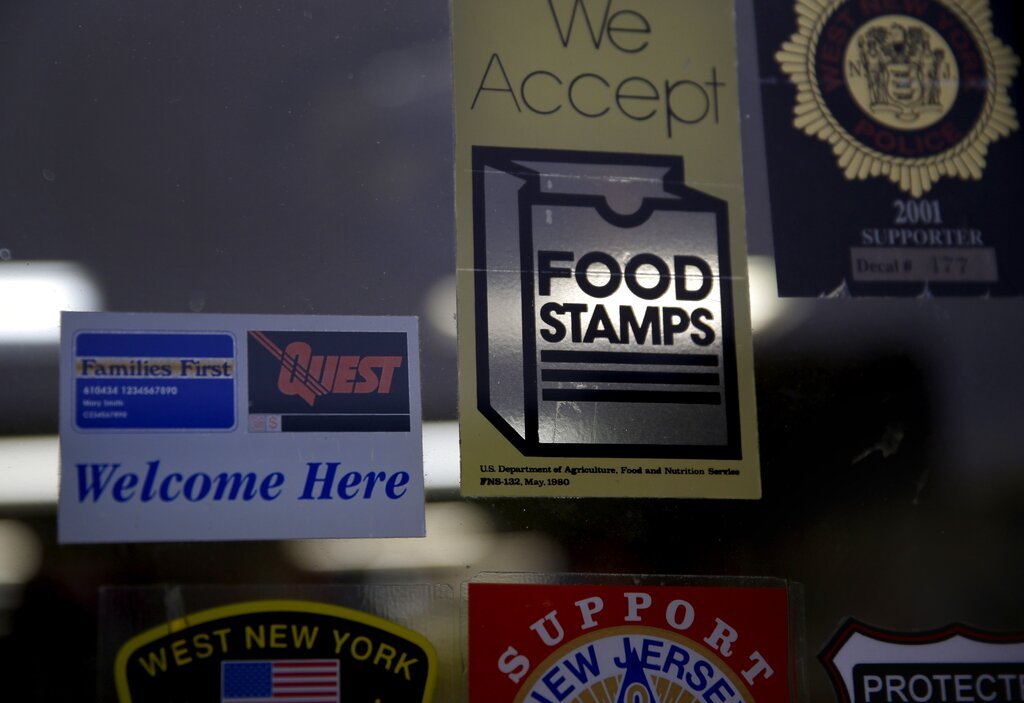
The Trump administration is bracing for a political firestorm as it prepares to close a long-standing loophole in the food stamp program that has allowed middle- and upper-income Americans to collect benefits meant for the poor. The proposed rule from the Department of Agriculture targets what critics call a Clinton-era regulatory gap that enables broad-based categorical eligibility—a policy that lets states enroll people who exceed the program's income or asset limits simply because they receive another benefit, even something as trivial as a taxpayer-funded brochure.
According to the Foundation for Government Accountability, this loophole has allowed roughly 5.9 million ineligible individuals to receive food stamps, including some millionaires. The proposed change would save taxpayers more than $10 billion annually while preserving benefits for those who truly qualify. But the fight is only beginning.

Democrats Warn of School Lunch Cuts
The rule's impact extends beyond food stamps. Because children in households receiving food stamps automatically qualify for the National School Lunch Program, closing the loophole would also remove some families from that program. Left-leaning groups have already claimed that between 500,000 and a million children could lose access to free or reduced-price school meals.
But Paige Terryberry, a senior research fellow at the Foundation for Government Accountability, argues those numbers are grossly inflated. She estimates that 99.9% of children currently in the school lunch program will remain eligible through other means, such as direct certification or income-based qualification. Only about 2,900 students—all from middle- or upper-class families who do not legally qualify—would be removed. “They never needed the taxpayer’s help to eat lunch at school,” Terryberry wrote. “The real scandal is that taxpayers were feeding them in the first place.”
A Political Food Fight Looms
As the Trump administration moves forward, it faces a coordinated messaging campaign from Democrats and their media allies, who are expected to frame the rule as an attack on children. The president’s team is preparing to counter with data showing that the reform targets fraud, not hunger. The broader context includes ongoing battles over welfare spending, with the food stamp program now costing over $100 billion annually.
This clash comes amid other heated political debates, including questions about presidential ethics and public trust and escalating tensions with Iran. The administration’s push to close the loophole also risks complicating its message on affordability, as voter ID laws have already strained the GOP’s midterm message.
Welfare Reform or Political Liability?
Supporters of the rule argue that the safety net was never intended to fund millionaires or subsidize meals for wealthier children. They point to the program's original purpose: temporary assistance for the truly vulnerable. Terryberry noted that the left’s reflexive opposition to any welfare spending cuts reflects a broader push toward universal benefits, regardless of cost. “The Trump administration can win the coming food fight,” she concluded.
For now, the administration is bracing for a fierce debate that will test both its policy goals and its political messaging. The outcome could reshape how millions of Americans access food assistance—and whether the program returns to its core mission of helping those in need.