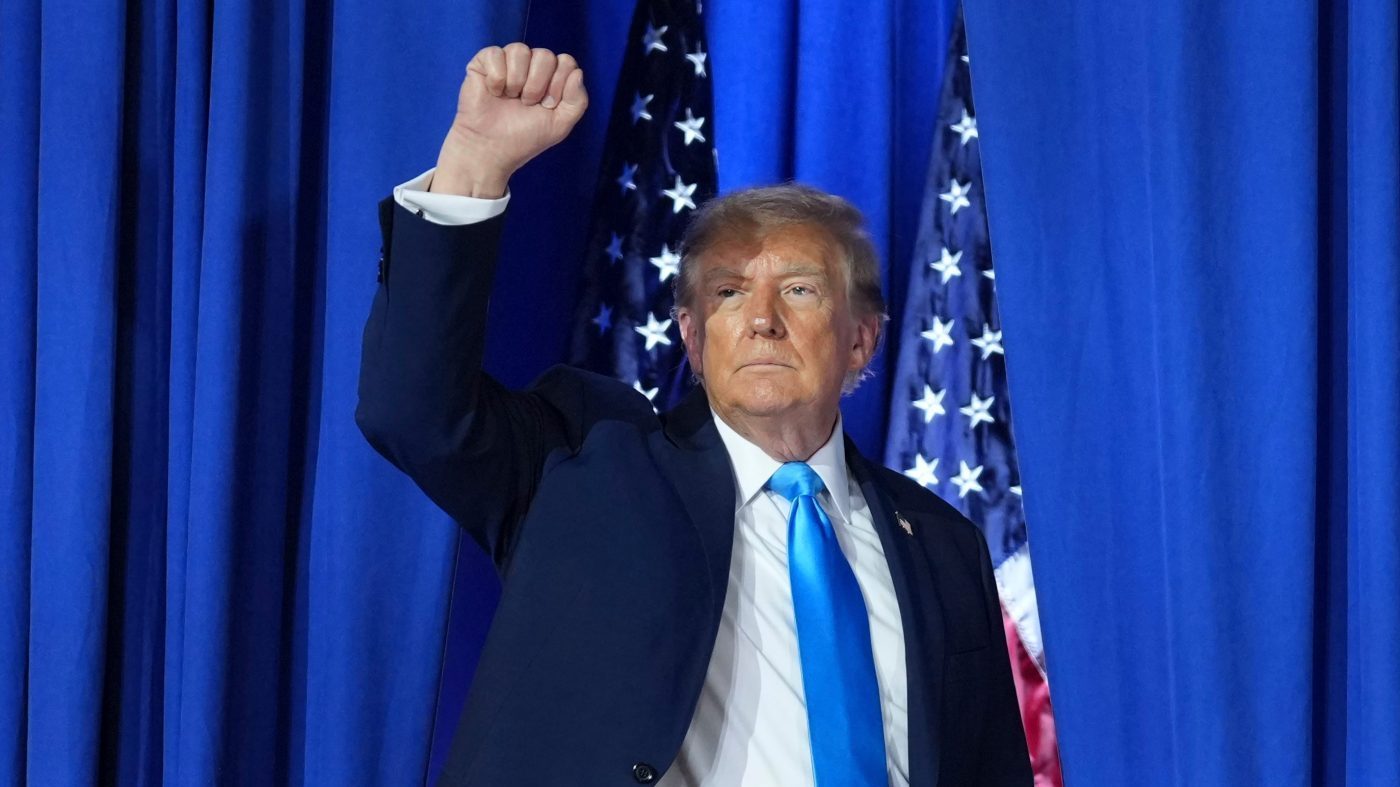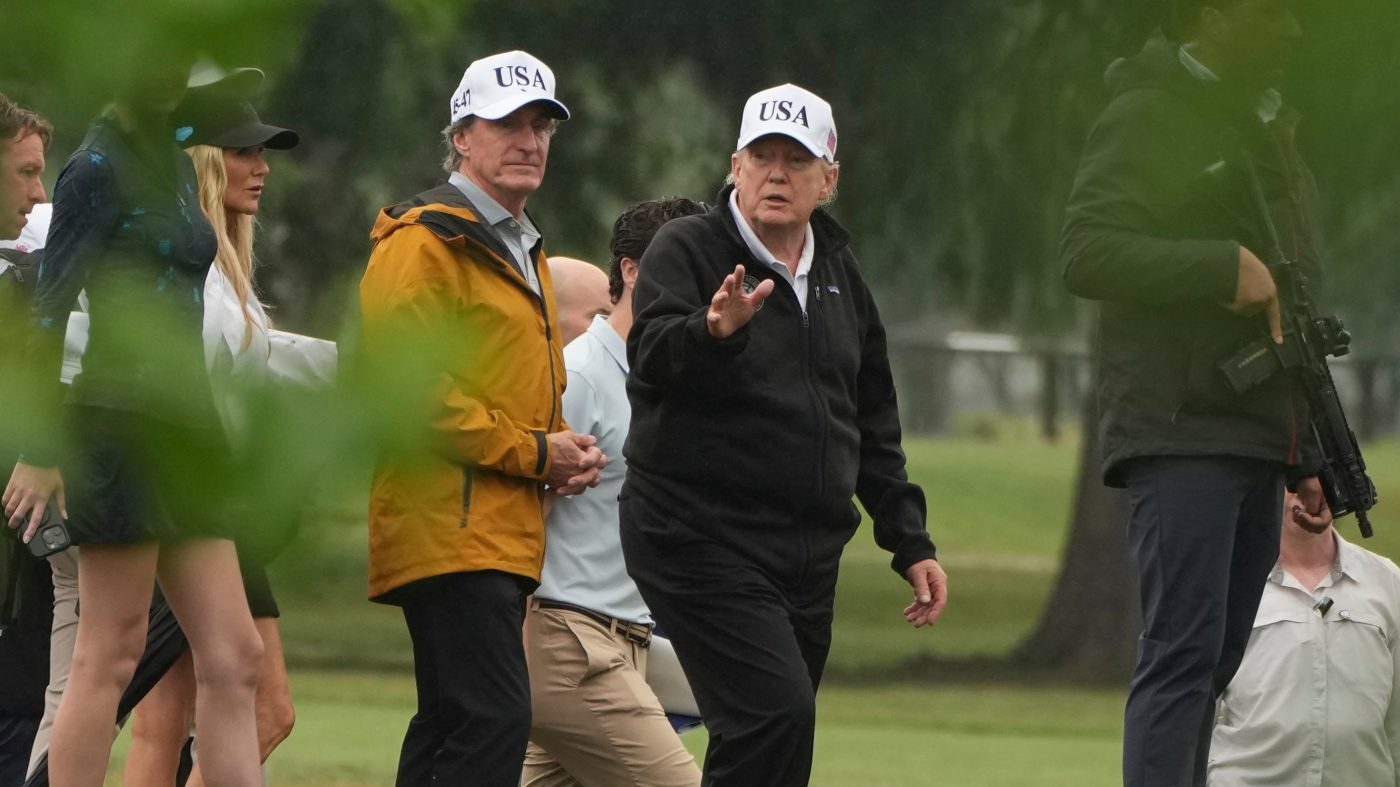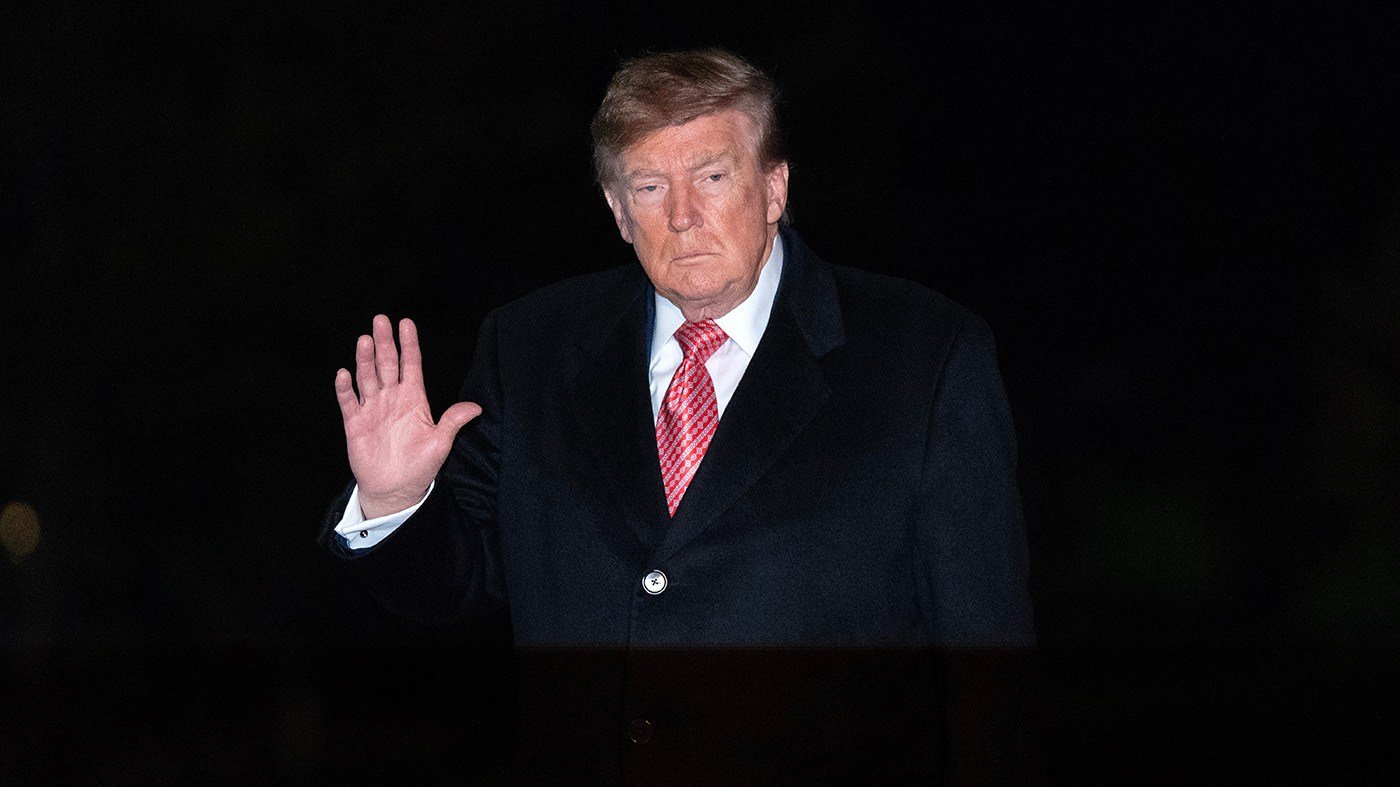
President Trump is devoting the closing two weeks of the midterm campaign almost entirely to the Senate, embarking on a swing through traditionally Republican states where Democratic challengers have turned once-safe seats into toss-ups. The travel schedule, which includes stops in Alabama, Oklahoma, and Tennessee, as well as Texas and Kansas, underscores the GOP’s strategic calculation that the House majority is likely lost while the Senate remains within reach.
According to Decision Desk HQ, the GOP has just a 23 percent chance of retaining the House. The Senate is closer to a coin flip, with Democrats holding a 56 percent chance of winning the majority compared to Republicans’ 44 percent. That disparity has pushed the president’s itinerary toward statewide races where his presence could boost turnout among base voters.
“That is the conventional wisdom: the House is gone. It’s: protect the Senate with a possible expanding map,” one Republican strategist said.
Trump kicks off his busiest campaign week of the cycle on Monday with a rally in Wichita, Kansas, for incumbent Sen. Roger Marshall, a stop that reflects the party’s focus on shoring up Senate incumbents. From there, he heads to Greenville, North Carolina, on Tuesday to campaign for Republican Senate nominee Michael Whatley. The North Carolina visit also nods to the House: Greenville sits in the safely Republican 3rd Congressional District but borders the competitive 1st District, where Republican Laurie Buckhout is challenging Democratic Rep. Don Davis.
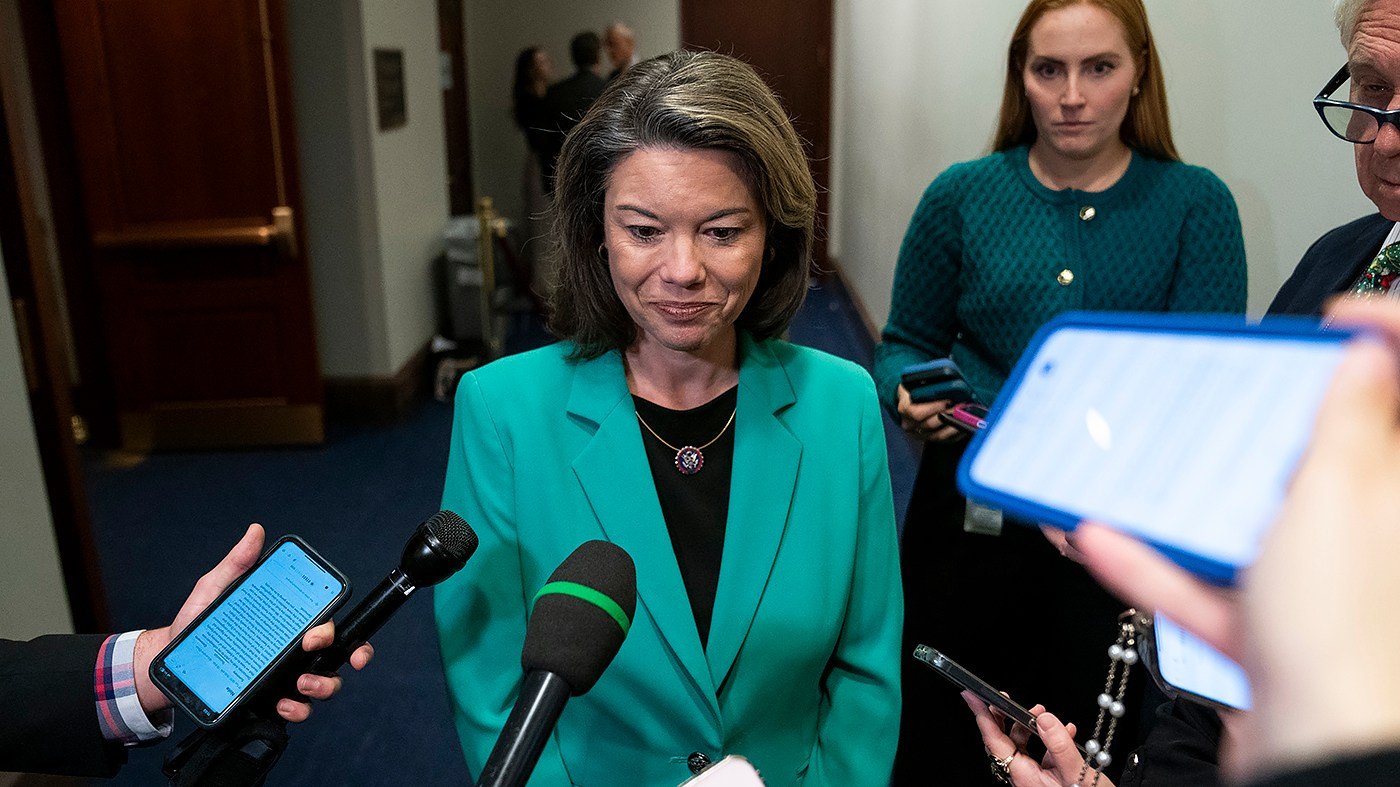
On Wednesday, Trump will rally in Clemson, South Carolina, a deeply red area where Sen. Darlene Graham is defending her seat against Democrat Annie Andrews. Thursday takes him to Sioux City, Iowa, for Senate nominee Ashley Hinson. Geoffrey Skelley, DDHQ’s chief elections analyst, noted that Sioux City is in Iowa’s reddest region, making it an ideal spot to energize less frequent Republican voters for a critical Senate race. “If you’re concerned about Republican base turnout, it’s a place where President Trump could be used very strategically to try to encourage some frustrated Republican voters, or maybe less attuned Republican voters, to go out and cast a ballot in a very important Senate race,” Skelley said.
Friday’s schedule includes a stop in Naples, Florida, a Republican stronghold and home to GOP gubernatorial nominee Byron Donalds. Florida features both a Senate race and an increasingly competitive gubernatorial contest. On Saturday, Trump will travel to Georgia’s red-leaning 8th Congressional District to boost Senate nominee Mike Collins and gubernatorial nominee Rick Jackson. He then heads to Michigan’s 9th Congressional District to campaign for GOP Senate nominee Mike Rogers, who is running in a state that has become a focal point for both parties.
“Republicans are thinking outside the box to fight the typical midterm precedent,” said Natalie Baldassarre, national press secretary at the Republican National Committee. “The president is barnstorming the country in strategic areas and pouring resources into battleground races to tout his historic achievements, giving Republicans a boost to defy history in November.”
While the Senate dominates Trump’s schedule, he has not entirely abandoned the House. Earlier this month, he rallied for New York GOP gubernatorial nominee Bruce Blakeman in Syracuse, located in the 22nd Congressional District, which the Cook Political Report rates as “solid Democrat.” He also stopped in San Antonio, Texas, to support Republican Carlos De La Cruz in a newly redrawn district rated “lean Republican.” And a Saturday trip to Kentucky’s 4th Congressional District placed him just seven miles from Cincinnati, Ohio, home to another fiercely competitive Senate race.
Trump dismissed concerns about the midterm outlook on Monday, telling reporters on the South Lawn, “I feel good,” while adding that “a lot of the polls are rigged.” He continued, “I’m the one that’s doing the rallies, that’s taking people into a winning position. When you take a look at what’s happened since I’ve been doing these massive, totally sold out rallies, nobody’s ever seen anything like it.”
The president’s travel blitz also serves as a platform to promote his policy record, as he pitches a golden age to voters in key states. Meanwhile, his focus on Senate races has drawn scrutiny from watchdogs who accuse three Trump officials of campaigning in violation of the Hatch Act. The outcome of these races will determine whether Republicans can hold the line in the upper chamber and shape the final two years of Trump’s term.