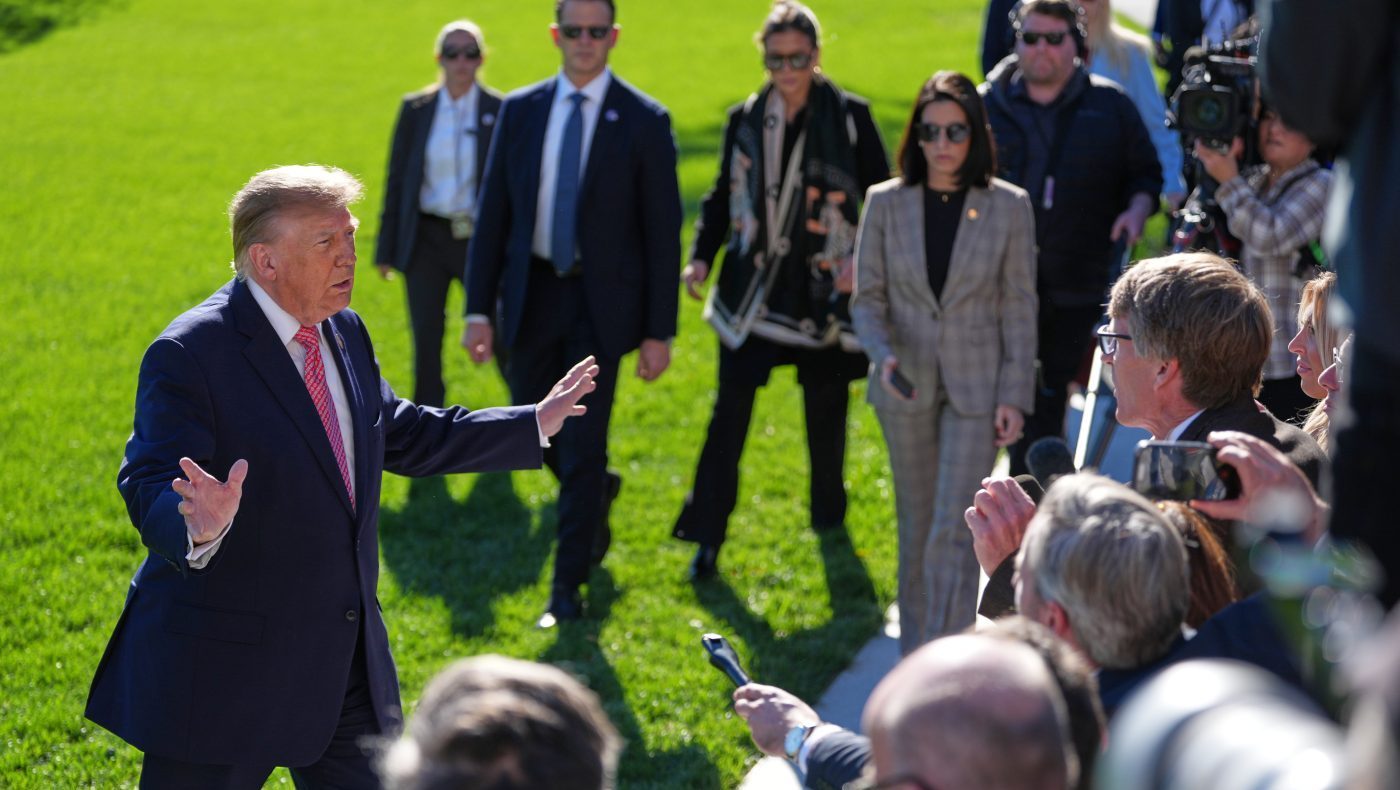
The Wall Street Journal's editorial board on Sunday accused President Trump of betraying the legacy of the late Sen. Lindsey Graham (R-S.C.) by waiving Russian sanctions that were part of legislation named in Graham's honor. The board wrote that Trump had "stuck a shiv in the back" of Graham's memory, and described the president as "best friend in the world" to Russian President Vladimir Putin.
The editorial, published amid growing bipartisan anger over Trump's recent moves toward Moscow, argued that "the evidence compounds that Mr. Trump wants Ukraine to surrender on Mr. Putin's terms." It called for a "bipartisan reckoning" after the election over what it described as "Mr. Trump's budding alliance with the Kremlin against Ukraine, Europe and American interests."
The sanctions waiver, issued Friday, suspends penalties that were part of a legislative package posthumously dedicated to Graham, a longtime Russia hawk. The measure had imposed tariffs on major purchasers of Russian energy and on entities helping Moscow evade sanctions, aiming to pressure the Kremlin to end its military operations against Ukraine.
Trump defended the decision on Truth Social, writing that his administration was "in the process of negotiating Peace in the war between Russia and Ukraine" and did not "want to do anything that will drive, foolishly, Russia away from the bargaining table." He added, "Signing that document at this time will do that, and I can sign it later, or any time that I want."
The move drew sharp criticism from both parties, especially since the legislation had passed the House and Senate with overwhelming majorities. Sen. Thom Tillis (R-N.C.) called the waiver "entirely irresponsible," while Rep. Don Bacon (R-Neb.) wrote on social media that "the President is prolonging the war, not ending it."
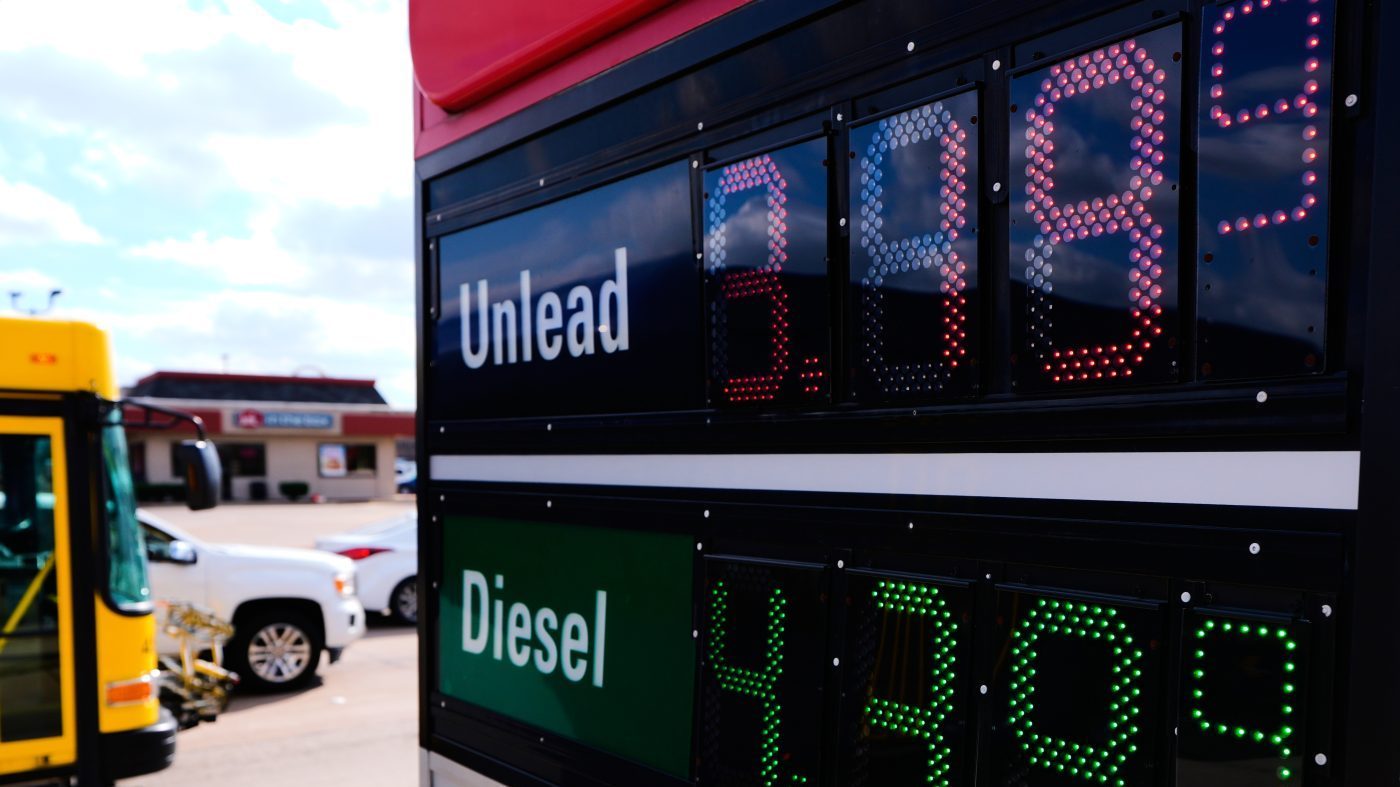
This latest controversy follows Trump's recent announcement of a deal allowing Russia to supply 300,000 tons of diesel "immediately," 500,000 tons in November, and 1 million tons "immediately thereafter." The arrangement has raised concerns about rising global energy prices and further strained relations with Ukraine.
Ukrainian President Volodymyr Zelensky, in an interview on NBC's "Meet the Press" on Sunday, said Ukraine still trusts Trump, but called it "unbelievable" that the U.S. might support Putin over him. The waiver marks another flashpoint in the relationship between the two leaders, coming amid broader tensions over U.S. policy toward the war.
The editorial board's critique adds to a chorus of Republican voices questioning Trump's closeness to Putin. Some GOP lawmakers have expressed alarm over the Russian oil deal and the sanctions waiver, seeing them as concessions that undermine U.S. leverage. The situation highlights a deepening rift within the party over how to handle the Kremlin and the ongoing conflict in Ukraine.
As the political fallout continues, Trump's actions have reignited debates about his foreign policy approach and its implications for American credibility on the world stage. The WSJ editorial, a rare rebuke from a traditionally conservative outlet, underscores the gravity of the moment.