President Donald Trump took the stage at a rally in Kansas on Monday to unveil a new federal initiative aimed at providing financial relief to American farmers grappling with soaring diesel prices. The program, dubbed the Harvest Fuel Relief Program, promises $8 billion in one-time payments to agricultural producers to help cover fuel expenses during the harvest season.
Speaking to a crowd in a key agricultural state, Trump framed the measure as direct support for the backbone of the nation's food supply. “Our farmers feed America, and they deserve a government that has their back,” he said. “This program will help offset diesel costs during the harvest season, plain and simple.”
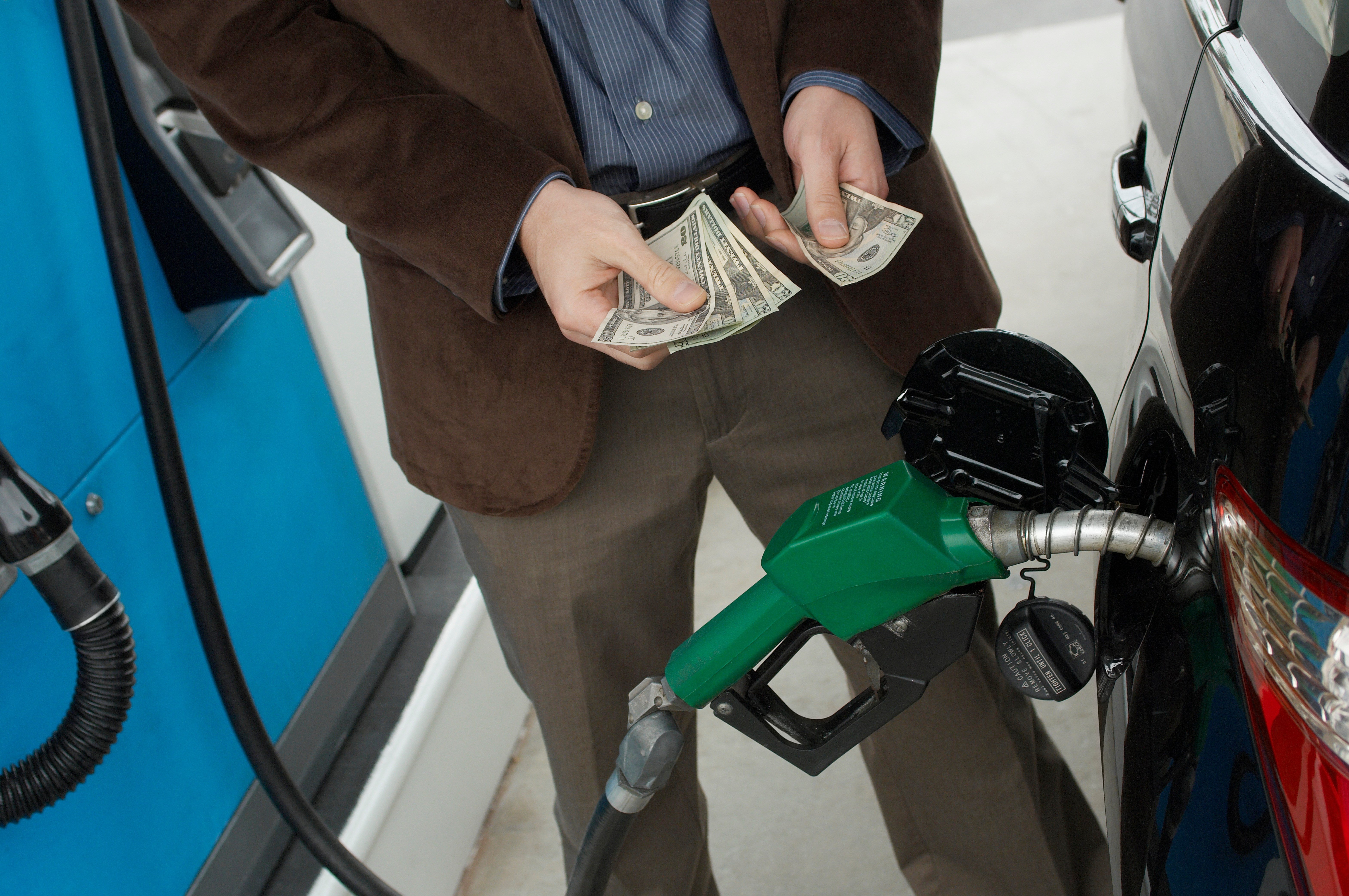
The announcement comes amid a period of elevated diesel prices, which have put significant pressure on farm budgets nationwide. According to industry data, diesel prices have remained well above historical averages, squeezing profit margins for producers already dealing with high input costs.
However, policy analysts are cautioning that the program's practical effects may be limited in the short term. The administrative machinery required to process and distribute payments to an estimated 6.1 million farmers could take months, meaning many growers may not see checks until after the current harvest is complete. “This is more of a political signal than an immediate economic lifeline,” said one agricultural economist who requested anonymity to discuss the matter candidly.
The rollout also raises questions about funding and implementation. The $8 billion figure mirrors the scale of earlier emergency farm aid packages, but details on eligibility, payment calculations, and the disbursement timeline remain scarce. The U.S. Department of Agriculture is expected to release guidelines in the coming weeks, though no firm dates have been set.
Trump's announcement lands at a politically fraught moment. The administration has been under fire for a series of missteps, including a chaotic week that saw a press secretary gaffe and a controversial diesel deal with Russia's Vladimir Putin. Meanwhile, polling shows the president's approval rating sinking, with Democrats widening their lead ahead of the midterms.
The farm fuel relief program is also drawing scrutiny from watchdog groups, who note that it follows a pattern of targeted giveaways that may not address underlying structural issues, such as fuel efficiency rollbacks that have been shown to cost drivers billions over time. Critics argue that a more sustainable approach would involve long-term investments in renewable energy and supply chain resilience.
For now, farmers are left to weigh the promise of future relief against the immediate realities of the harvest. As one Kansas farmer put it, “We appreciate the gesture, but we need help now, not in six months.”
The White House has not yet confirmed whether the program will require congressional approval or if it will be funded through existing executive authority. With the midterm elections looming, the political calculus behind the announcement is undeniable, but its practical impact on the farm economy remains to be seen.