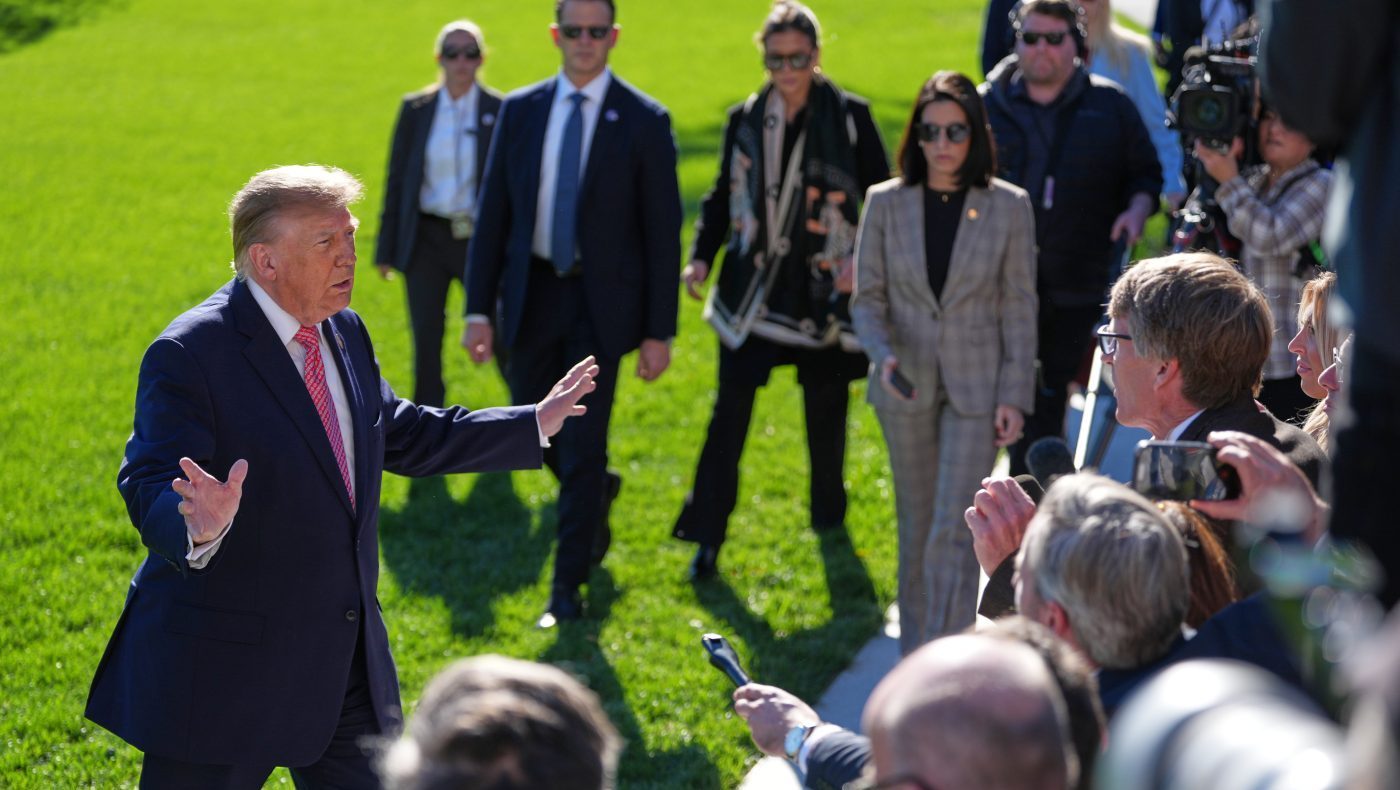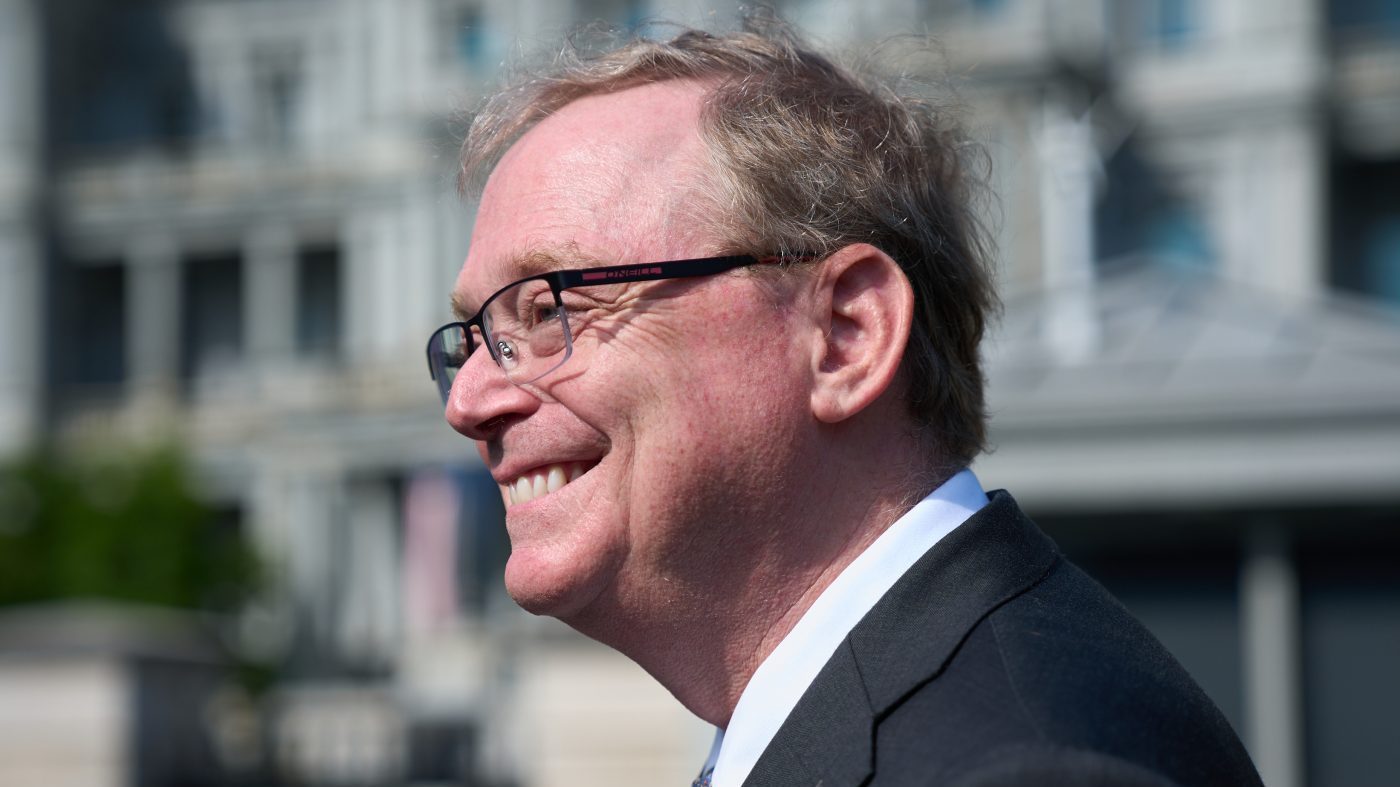
Kevin Hassett, the director of the National Economic Council (NEC), on Monday brushed aside recent polling that shows Americans are downbeat about the economy, insisting that real-world behavior points to a boom.
In an interview on CNBC's "Squawk Box," Hassett told host Joe Kernen that consumer spending is the truest gauge of economic sentiment. "If economic polls ... were correct, then people wouldn't be taking trips to nice hotels, they wouldn't be flying, they wouldn't be buying cars, they wouldn't be doing all the things they do when they're feeling good about the economy," he said.
His remarks come as the inflation spike complicates the GOP's midterm messaging just as early voting gets underway. Hassett echoed President Trump's optimistic outlook, arguing that the country is in good shape.
Consumer spending did rise by $190.7 billion from July to August, a figure that adjusts for the 3.4 percent annual inflation rate as measured by the personal consumption expenditures price index. That data point, Hassett argued, shows that "true sentiment" is "best measured by what you see" Americans doing. "And what people are doing is they're acting like we're in a boom. And the reason they're doing that is because despite what the polls say, we are in a boom," he told Kernen.
Yet the polling picture is starkly different. The Conference Board reported that consumer confidence fell in September to its lowest level since 2014. The University of Michigan's Surveys of Consumers index also preliminarily put consumer confidence at 46.3 in October, down 13.6 percent from a year earlier. Final data for October is due Friday.
Underlying those grim numbers is persistent inflation, which remains well above the Federal Reserve's 2 percent target. The consumer price index showed annual inflation at 3.7 percent in September, up from 3.4 percent in August. That prompted the Fed to raise interest rates last month for the first time since the summer of 2023. Traders now see an 83 percent chance the central bank holds rates steady at its meeting next week, according to the CME FedWatch tool.
For households, the pain is visible in the housing market. The average 30-year mortgage rate hit 7.4 percent, a nearly four-year high, according to Freddie Mac. That squeeze is a key reason many Americans feel less secure about their finances.
Hassett, however, pointed to other indicators. "If you look at, holistically, where the economy is, we've got high growth, we've got the lowest unemployment insurance claims since World War II," he said, adding that September's uptick in inflation is "hardly enough to overpower all the good news" for the economy.
The disconnect between official statistics and public perception is a recurring theme this election cycle. Some Democratic strategists have warned that polls can mislead and midterm wins are not guaranteed, even as the White House touts economic strength. Meanwhile, the national debt continues to climb, with interest costs now outpacing defense and health spending, a trend that could weigh on long-term growth.
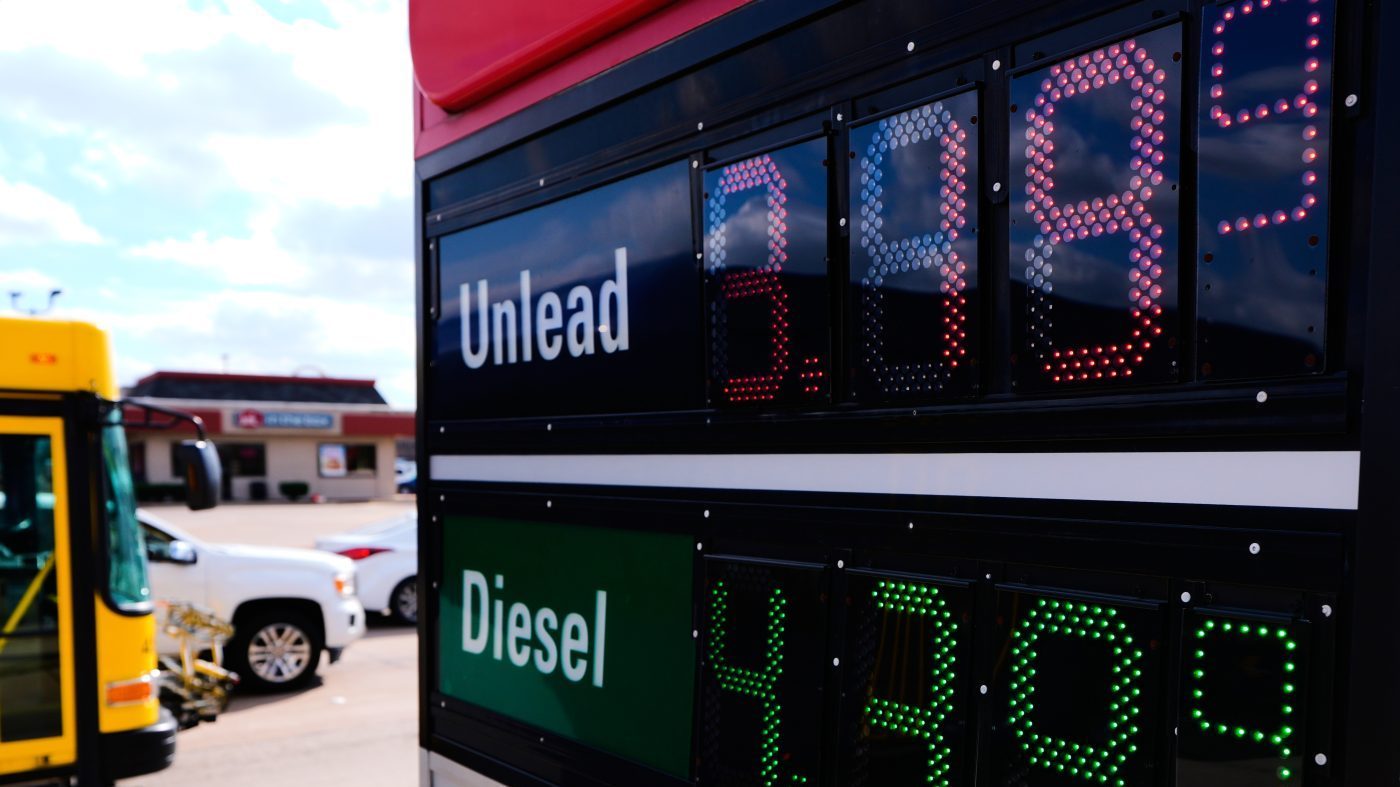
As voters head to the polls, the battle over how to frame the economy is likely to intensify. Hassett's dismissal of negative surveys may resonate with those who feel the recovery, but for many households, the numbers on their bills and at the pump tell a different story.