The rapid deployment of advanced AI systems has made bilateral governance between Washington and Beijing not just desirable but essential. Recent events, including Anthropic's cautious rollout of its Fable and Mythos models due to hacking concerns, underscore that relying on private sector self-regulation is insufficient. Meanwhile, Chinese open-weight models have narrowed the gap with US frontier systems, raising the specter of powerful AI tools falling into the hands of malicious actors if left ungoverned.
The MIT FutureTech AI Risk Repository, which catalogs 1,725 distinct AI risks—from cybersecurity vulnerabilities to the creation of dangerous capabilities—reinforces the urgency for global cooperation. As the two dominant technological powers, the US and China must lead the creation of a new international AI architecture, much as the US and UK anchored the post-war order. This new framework will need to address four critical dimensions.
Competition and Cooperation: A Delicate Balance
First, the relationship must acknowledge that the US and China are simultaneously competitors, partners, and customers of each other's technology. This triple dynamic, common among major tech firms, is essential for stability and risk reduction. As former national security adviser Jake Sullivan noted, US-China tech relations require both competition and cooperation, but private sector governance alone is inadequate.
Digital Infrastructure and Security
Second, the two nations already offer competing digital infrastructures to the world. The US excels in chip design, while China leads in telecommunications hardware. Governance must align on export controls, content neutrality, and surveillance limitations to ensure that the dominant digital infrastructure provides robust security for global commerce. This is particularly pressing given the rise of AI-driven cyber threats.
Standardized AI Evaluations
Third, the US and China must prioritize developing standardized evaluations for AI models, including pre-release testing to understand failure modes and real-world harms. Agreement is needed on whether military and intelligence systems fall under these standards—a contentious but necessary discussion. Without such benchmarks, nations will struggle to assess the safety of AI systems before deployment.
Accelerating Innovation, Not Stifling It
Finally, security measures must not impede technological progress. Sullivan's observation that “uncertainty breeds caution” highlights the risk: if enterprises doubt AI's safety and reliability, adoption will slow, undermining the very benefits these technologies promise. The goal should be to accelerate deployment while ensuring trustworthiness, a virtuous cycle that requires confidence from all stakeholders.
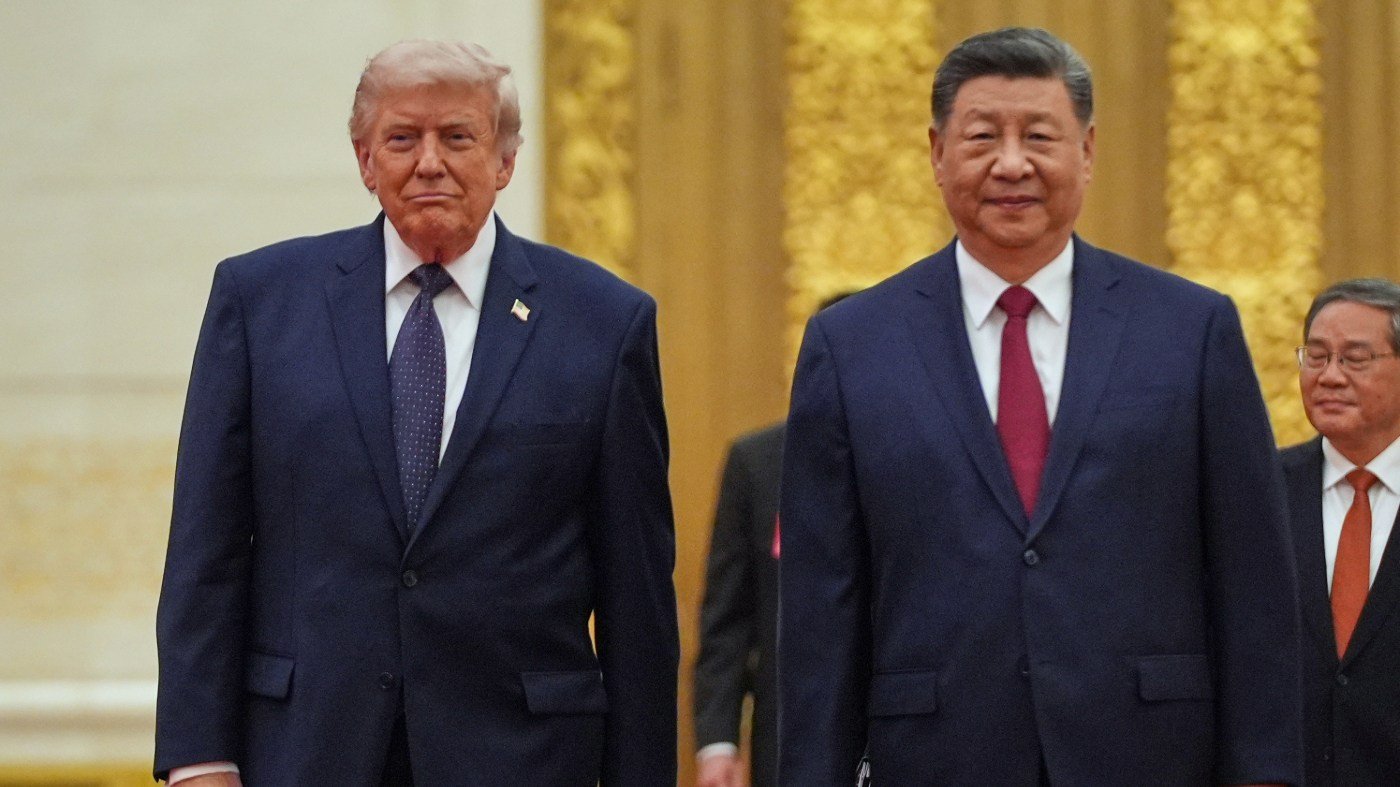
The stakes are immense. As Presidents Trump and Xi prepare to meet on September 24, the hope is that AI governance is on their agenda. The launch of Fable and Mythos signals a shift in global power dynamics, and the availability of equally powerful open-weight models deepens the challenge. A fragmented global economy demands new rules of the road, including a US-China framework to govern the most transformative technology of our era.