The U.S. military has confirmed that it deployed a high-energy laser to shoot down three drones near the southern border this week, a move that officials say was aimed at countering Mexican drug cartels' growing use of unmanned aircraft for surveillance and smuggling.
According to a statement from Joint Task Force-Southern Border, the operation occurred late Tuesday and early Wednesday, with the Army Multipurpose High Energy Laser system neutralizing the aircraft along the U.S.-Mexico frontier. The drones were described as “hostile” and were assessed to pose a “physical threat” to both American service members and Customs and Border Protection personnel, though the precise locations of the interceptions were not disclosed.

Escalating Cartel Drone Use
Maj. Gen. Curtis Taylor, commander of the border task force, said in a statement that cartel networks are increasingly relying on unmanned aircraft systems to facilitate human smuggling and to conduct surveillance on U.S. personnel and law enforcement partners. He characterized the takedown as a “direct testament to the readiness, vigilance, and technological edge” of the forces involved.
“By integrating layered countermeasures alongside advanced directed-energy capabilities like this laser system, we have made it clear that we will not tolerate hostile surveillance,” Taylor added.
Taylor also expressed gratitude toward the Mexican government and its military for their cooperation in addressing drone threats in the region, although it remains unclear whether the strikes took place on U.S. or Mexican soil.
Expanded Military Role Under Trump
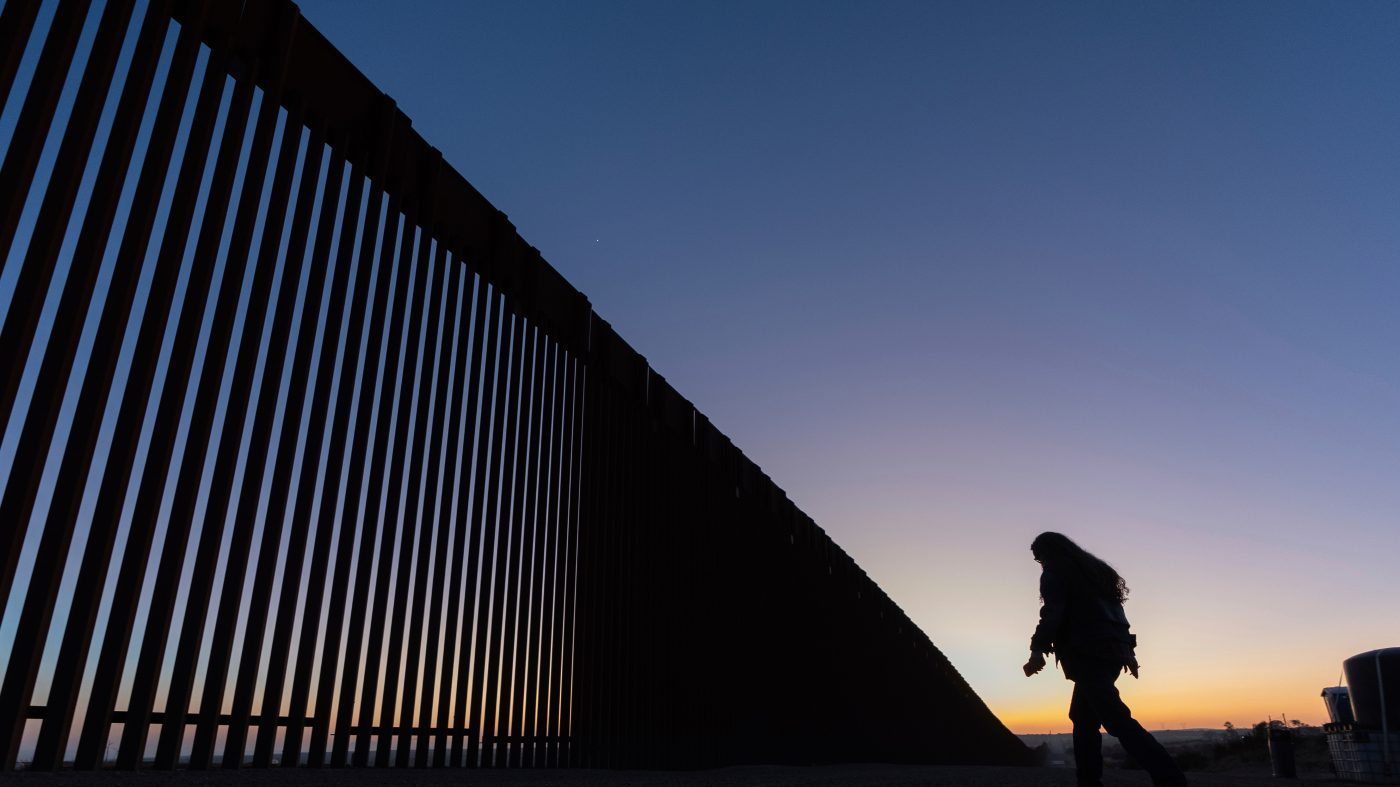
The incident comes as the Trump administration continues to broaden the military's involvement along the southern border as part of President Trump's immigration crackdown and his declared war on drug cartels. Roughly 8,000 U.S. service members are currently deployed under Joint Task Force-Southern Border across the nearly 2,000-mile border, according to military figures.
Since the task force assumed its mission in March 2025, troops have conducted tens of thousands of detection patrols and observation flights. They have also installed hundreds of miles of wire barriers and conducted joint patrols with Mexican military personnel.
This latest use of directed energy highlights a new frontier in border security, as cartels adapt to traditional enforcement measures. The Pentagon's investment in laser technology for force protection has been growing, and this operation marks one of the first publicly acknowledged uses of such a system against cartel assets.
The development also raises questions about the rules of engagement and the potential for escalation along the border, particularly as the administration pushes for more aggressive measures. Critics have voiced concerns about the expanding role of the military in domestic law enforcement, while supporters argue that such tools are necessary to counter increasingly sophisticated criminal networks.
For now, the military has signaled that it will continue to employ all available means to protect personnel and disrupt cartel operations, with the laser system serving as a key component of its counter-drone strategy. The incident is likely to fuel further debate over border policy and the use of advanced military technology in a domestic context, especially as the administration's approach faces legal and political challenges, including a recent Supreme Court appeal over asylum restrictions.
As the situation evolves, the effectiveness of such countermeasures will be closely watched, particularly in light of broader discussions about border security and the role of the military, which has also been a point of contention in border-state politics. The task force's actions underscore a new phase in the ongoing confrontation with cartels, one that increasingly relies on cutting-edge technology to maintain an edge.