A federal appeals court has overturned a lower court's directive that would have compelled the National Park Service (NPS) to reinstall signs and exhibits removed during the Trump administration. The First Circuit Court of Appeals issued its ruling on Thursday, effectively blocking the earlier order that aimed to restore park materials the administration claimed were purged as part of a broader effort to eliminate content that “disparages” Americans.
The three-judge panel—composed of Judges David Barron, Gustavo Gelpí, and Julie Rikelman, all appointees of Presidents Obama and Biden—determined that the Trump administration “made a strong showing that the harms that the district court relied on” did not meet the legal threshold for an injunction. The judges also concluded that the groups suing the government “cannot show that a stay of the district court’s order…would cause them substantial injury.”

Background of the Dispute
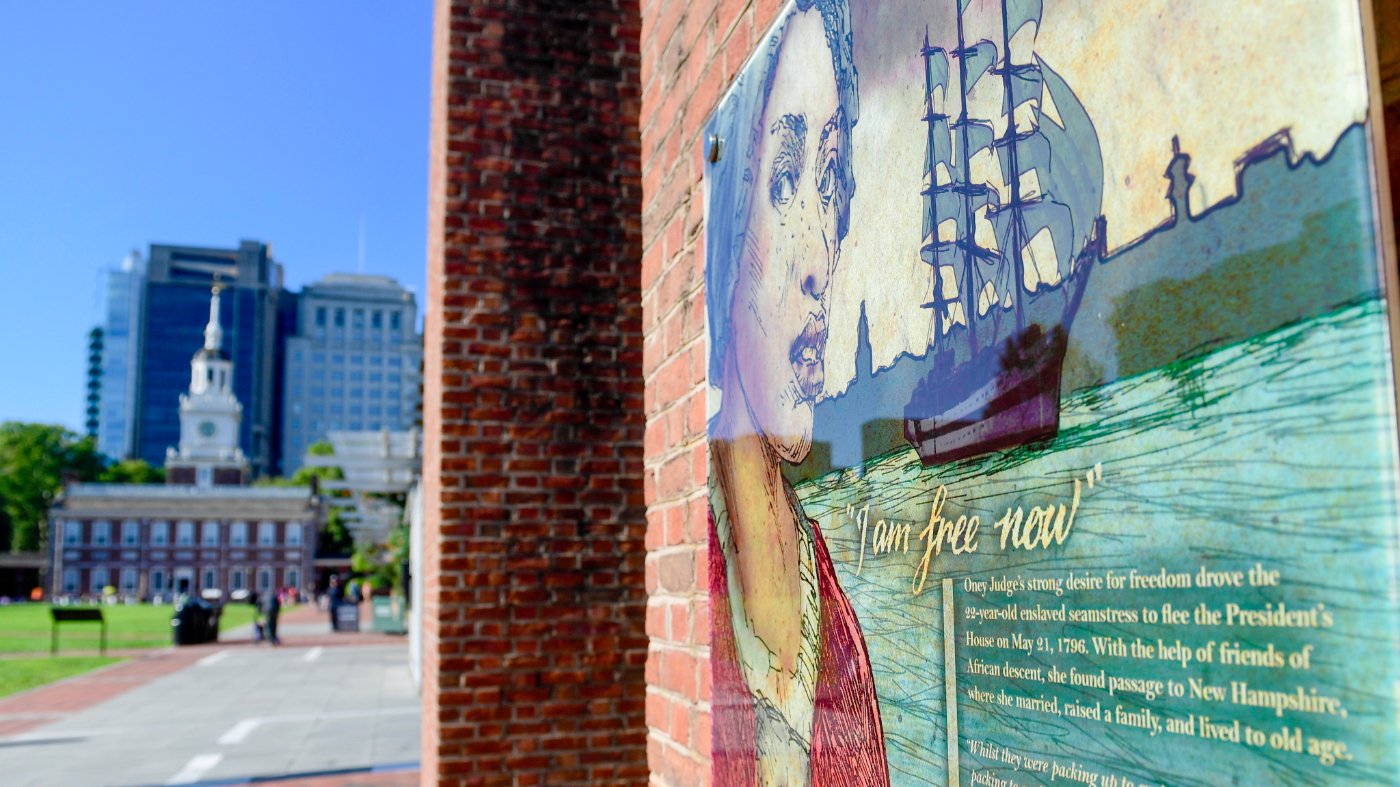
Last year, the Trump administration directed NPS units to review all public-facing content for messaging that disparages Americans or “emphasizes matters unrelated to the beauty, abundance, or grandeur” of natural features. This review led to the removal of dozens of materials, including signs, exhibits, and films. Among the affected items was an “African American Civil War Memorial wayside” at the National Mall, which highlighted a significant chapter of American history.
In response, advocacy groups filed a lawsuit challenging the removals. A federal judge last month ordered the park service to reinstate the displays, setting a July 3 deadline. However, the same three-judge panel had previously halted that deadline, and Thursday's ruling now fully reverses the injunction.
Legal and Political Implications
The decision marks a procedural victory for the Trump administration, but it does not address the underlying legality of the content removals. Democracy Forward, the legal group representing the plaintiffs, expressed disappointment but emphasized the limited scope of the ruling. “While we are disappointed by this decision, we also recognize the simple fact that this is merely a temporary procedural setback. The First Circuit did not condone the Trump-Vance administration’s censorship or issue any ruling on whether its actions are lawful,” said Brooke Menschel, senior counsel for Democracy Forward, in a statement.
Menschel added, “Unfortunately, for now, the decision allows the administration to continue removing and altering interpretive materials that are critical for millions of visitors to understand our nation’s history, right at the moment when so many Americans will be enjoying the parks over the upcoming semiquincentennial weekend. Our national parks are places of learning, reflection, and truth — not political messaging, but the administration has politicized them through censorship.”
The controversy comes amid broader debates over historical interpretation in public spaces. The Trump administration's directive also sparked concerns about the suppression of diverse narratives, particularly those related to African American history. The removed materials included exhibits that addressed topics such as the civil rights movement and the contributions of marginalized communities.
Broader Context
This legal battle is part of a larger pattern of disputes over the Trump administration's policies affecting federal agencies. For instance, the DOJ recently targeted birth tourism fraud after the Supreme Court upheld birthright citizenship, while the Supreme Court sidestepped core questions on Trump's China tariffs. Additionally, the Senate reversed course on Iran war powers after Trump confronted GOP defectors, and Ocasio-Cortez warned of rising costs as the Supreme Court backed TPS terminations.
The case now returns to the lower court for further proceedings. While the appeals court's decision allows the removals to stand for now, the underlying lawsuit challenging the administration's policy continues. Observers expect the legal fight to intensify, with potential implications for how national parks present American history.
For now, visitors to affected park sites will not see the reinstated materials, a development that critics argue undermines the educational mission of the National Park Service. Supporters of the administration's action maintain that the removals were necessary to refocus park content on natural beauty and national pride.