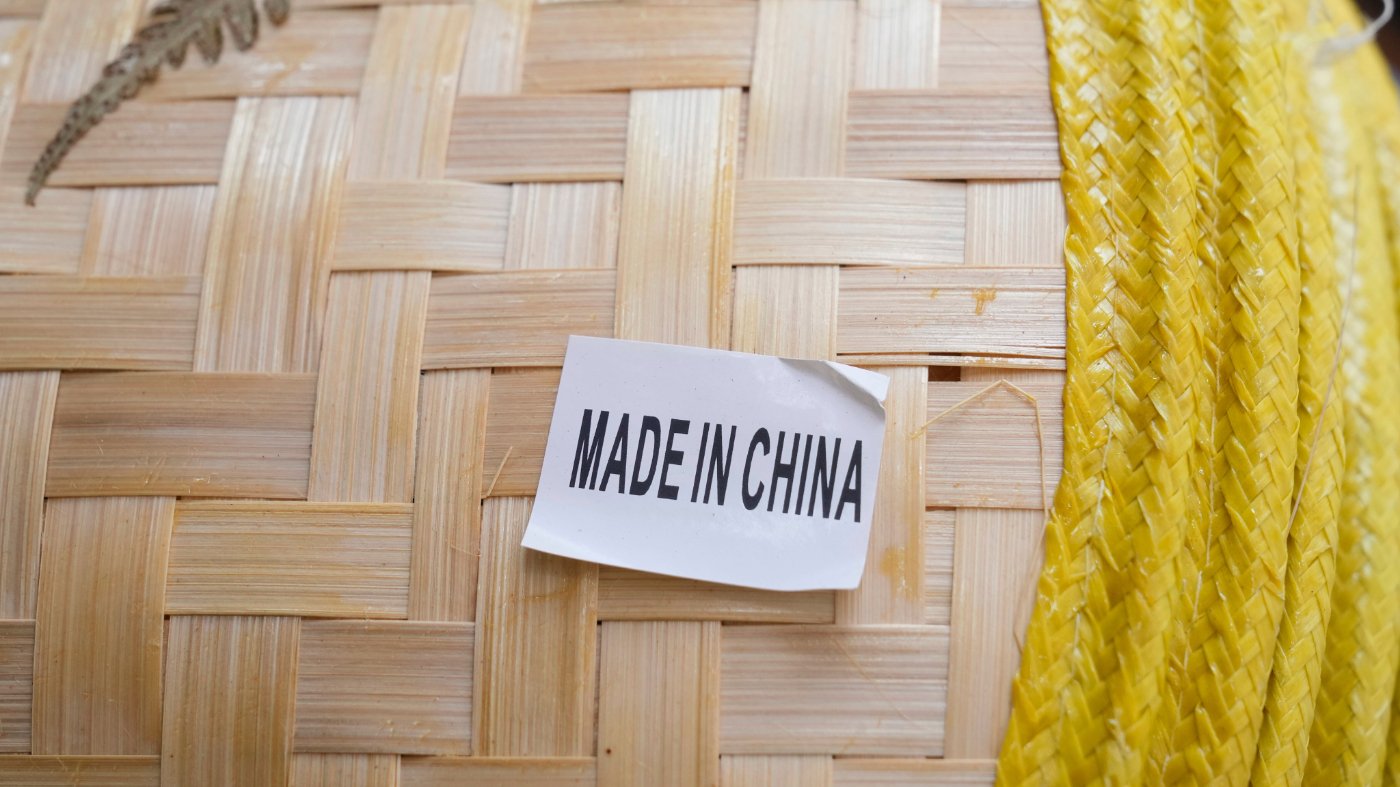
When the Supreme Court declined last month to hear HMTX Industries v. U.S., it seemed to settle the legality of President Trump's first-term Section 301 tariffs on China. But the court only dodged the narrow question before it, leaving the broader constitutional and statutory issues unresolved.
The case turned on a single word in the Trade Act of 1974. Section 307 allows the U.S. Trade Representative to "modify" an existing trade action when circumstances shift. HMTX Industries argued that expanding tariffs from about $50 billion to nearly $370 billion in Chinese imports wasn't a tweak but a transformation. It was a clever legal argument and a sound appellate strategy—petitions for certiorari fare better when they raise one clean issue rather than attacking an entire statutory scheme.
But framing the dispute around the meaning of "modify" implicitly accepted the government's premise that the later tariffs were modifications of the original action. Once that premise was conceded, the case became a question of degree: How large can a modification get before it stops being a modification? The statute offers no principled stopping point.
The Justice Department had a ready answer: China retaliated, negotiations evolved, and the original tariffs proved inadequate. Section 307 exists, they argued, precisely so the USTR can adjust remedies as circumstances change. Whether that interpretation is correct is almost beside the point—it answered the question HMTX chose to ask. The more consequential question lies one step earlier: Were those listed imports actually modifications of the original remedy?
The 2017 Section 301 investigation wasn't an open-ended inquiry into U.S.-China trade. It examined specific Chinese practices: forced technology transfer, discriminatory licensing, and intellectual property theft. The initial tariff lists were meant to remedy those practices. But as the dispute escalated, tariffs became instruments of economic pressure—to respond to Chinese retaliation, strengthen the U.S. bargaining position, and compel broader policy changes. Those are features of a trade war, not necessarily the statutory objective that justified the original investigation.
That distinction matters because Congress designed Section 301 as a remedial statute. Before imposing sanctions, USTR must investigate specific foreign acts, solicit public comment, conduct hearings, and make formal findings. Congress required those procedures because major trade sanctions have profound economic consequences. Section 307 serves a different purpose: it allows adjustments to an existing remedy, not a wholesale change in the objective it serves.
The statutory question isn't just whether Section 307 authorizes a large modification. It's whether Congress intended one Section 301 investigation to become ongoing legal authority for progressively broader trade measures serving different policy objectives. That shifts the analysis from the dictionary definition of a verb to the architecture of the statute. If Section 307 lets the executive branch pursue new strategic goals without a new investigation, the distinction between Sections 301 and 307 collapses.
The Supreme Court never had occasion to consider that issue because it wasn't squarely presented. It almost certainly will be again. The cost of blurring that line is procedural: each new objective layered onto the original action skips the investigation, comment, and findings Congress required. One inquiry from 2017 ends up carrying weight its record cannot bear.
Future presidents of either party will keep using tariffs to do more than remedy unfair trade practices—they'll reach for them to advance geopolitical aims and lock in deals. When that happens, litigants should ask less whether the executive stretched the word "modify" and more whether it stretched the statutory purpose that justified the authority in the first place. That is the harder question, and the more important one. It is also the one the Supreme Court has yet to answer.
Marc L. Busch is the Karl F. Landegger Professor of International Business Diplomacy at the Walsh School of Foreign Service, Georgetown University. Barry Appleton is co-director of the Center for International Law at New York Law School and interim director of the Balsillie Legal Advisory Centre at the Balsillie School of International Affairs.