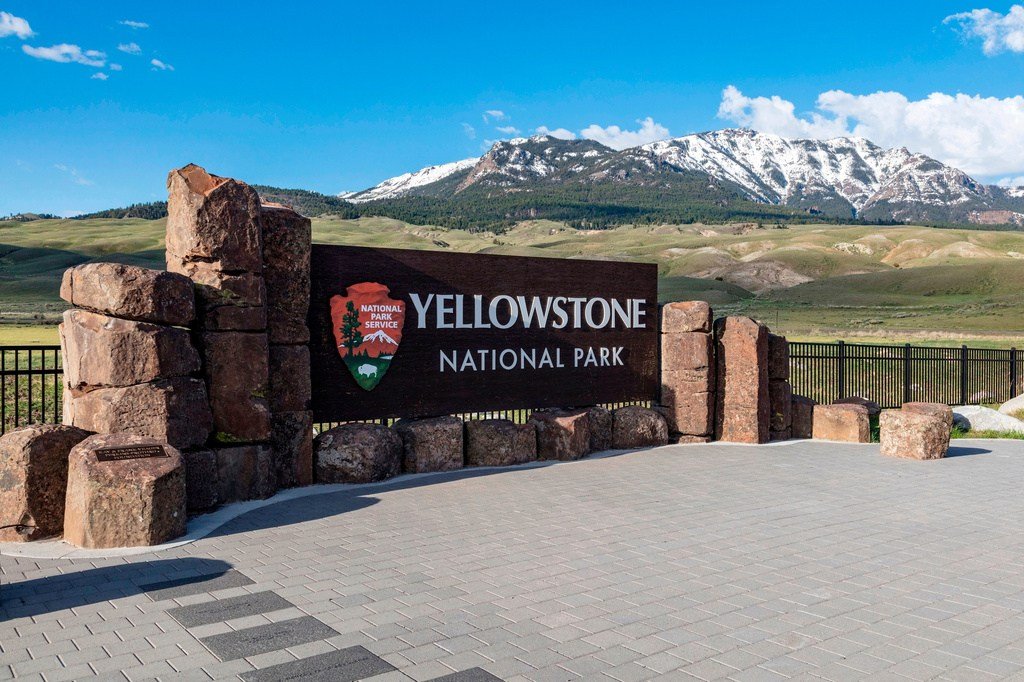
Two lawmakers have reintroduced a bipartisan measure that would channel new revenue from international tourists into fixing the nation's crumbling park infrastructure, a move aimed at closing a $24 billion maintenance gap without tapping general tax dollars.
The America the Beautiful Act, which is now moving through Congress, would establish a surcharge on foreign visitors at national parks and other federal lands that charge entry fees. The extra money would feed a dedicated Legacy Restoration Fund, projected to raise up to $1.9 billion annually through 2031, to tackle deferred maintenance projects across the system.

Supporters argue the plan is a practical extension of Theodore Roosevelt's conservation legacy, which protected roughly 230 million acres of public land during his presidency. But they say stewardship goes beyond acquiring new territory; it requires maintaining what already exists.
“A rancher who buys more land while letting his fences fall down isn't practicing good stewardship,” the bill's proponents wrote, echoing a central theme of the legislation. The measure prioritizes repairs that address safety hazards, high-traffic damage, and prevent small problems from becoming costly emergencies.
The Interior Department has already taken a preliminary step, imposing a $100 fee on international visitors at 11 of the busiest parks starting this year. The America the Beautiful Act would codify that approach and expand it to all fee-charging units in the National Park System.
Backers point to similar models abroad, such as the Louvre in Paris and the Galápagos Islands in Ecuador, where premium pricing for international visitors helps preserve cultural and natural treasures. They argue that for tourists who spend thousands on travel, an extra fee is negligible and directly supports the parks they come to see.
The Property and Environment Research Center, which has championed the concept, presented it to Interior Secretary Doug Burgum in 2025. Burgum, a North Dakota Republican, has personal ties to Roosevelt's legacy; the state was where the former president developed his conservation ethic.
With Roosevelt's 168th birthday falling on Oct. 27, advocates see an opportunity for Congress to pass the bill after the November elections. “What more fitting way to honor his legacy than for Congress to pass this critical piece of legislation,” the authors wrote, urging action before the session ends.
The legislation has drawn bipartisan support, a rare area of agreement in a polarized Congress. It also aligns with broader efforts to find innovative funding for public lands, as political debates over spending intensify.
For now, the measure faces a tight timeline, but its backers remain hopeful that the logic of making conservation self-sustaining will prevail.