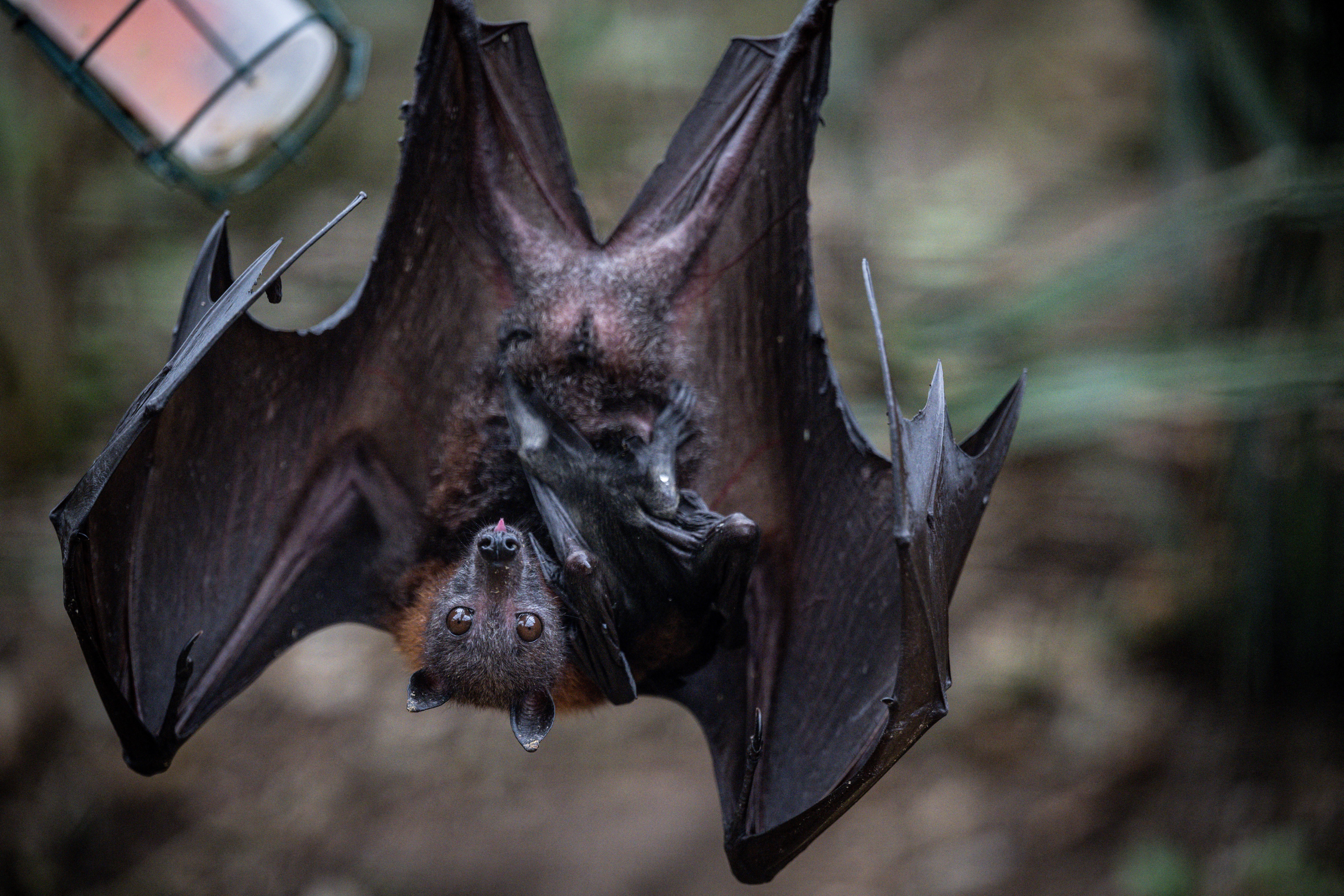
An 11-year-old boy in Canada has died from rabies after a bat landed on his face while he slept, a case that underscores the critical importance of early treatment for the nearly always fatal disease.
According to a report published in June in the Canadian Medical Association Journal, the boy, whose name has not been released, was vacationing with his family in Northern Ontario in the summer of 2024. He woke up to find a bat on his nose and face, swatted it away, and his father later caught and released the animal.

Because the boy showed no obvious scratches or bite marks, his family did not seek medical treatment for about 19 days. Then he began experiencing facial numbness and persistent vomiting. He was initially treated for Bell's palsy at an urgent care center, but his condition deteriorated. The family then took him to an emergency department, where doctors learned about the bat encounter and administered rabies treatment.
Despite receiving care, the boy's condition worsened, and he died 17 days after being admitted to the hospital. The report highlights how rabies, which attacks the central nervous system and causes severe brain disease, can be fatal if not treated before symptoms appear.
The Centers for Disease Control and Prevention (CDC) emphasizes that rabies is almost entirely preventable with prompt medical care following exposure. The disease is typically transmitted through bites or scratches from infected animals.
This tragic incident echoes broader concerns about public health preparedness and the need for awareness about rabies risks, especially in areas where bats are common. The case also draws attention to the challenges of diagnosing rabies early, as symptoms can mimic other conditions like Bell's palsy.
In related health policy news, debates continue over government transparency and accountability in public health crises. For instance, a recent federal judge ordered the DOJ to release unredacted Epstein files in a journalist's lawsuit, highlighting ongoing tensions between secrecy and the public's right to know. Meanwhile, critics argue that bias in major outlets like the New York Times erodes trust in journalism, complicating efforts to disseminate accurate health information.
As the boy's family grieves, public health officials stress that anyone who has contact with a bat should seek immediate medical evaluation, even if no bite is visible. Rabies remains a rare but devastating disease in North America, with only a handful of human cases each year, but this case serves as a stark reminder of its lethality.