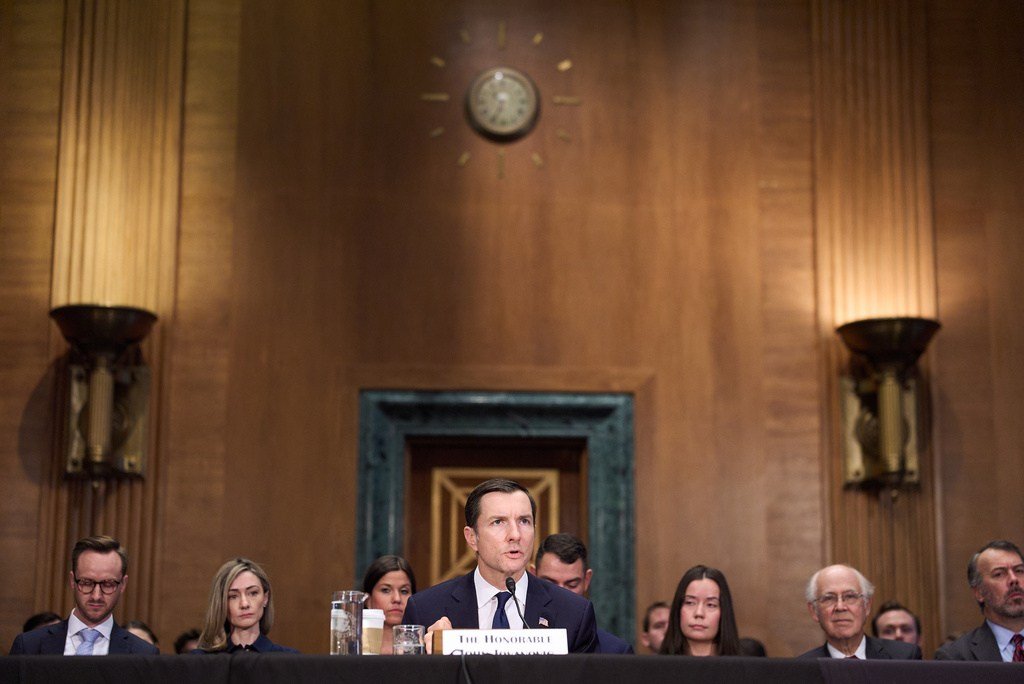
With the Export-Import Bank's charter set to expire on Dec. 31, Sen. Kevin Cramer (R-N.D.) is pressing Congress to act swiftly, warning that inaction would hand China a decisive advantage in global energy markets and put more than 45,000 American jobs at risk.
At stake is a backlog of over $70 billion in pending EXIM projects, including strategic energy and critical minerals ventures. Without reauthorization, these deals could collapse, leaving U.S. workers vulnerable and opening the door for foreign competitors to fill the void.
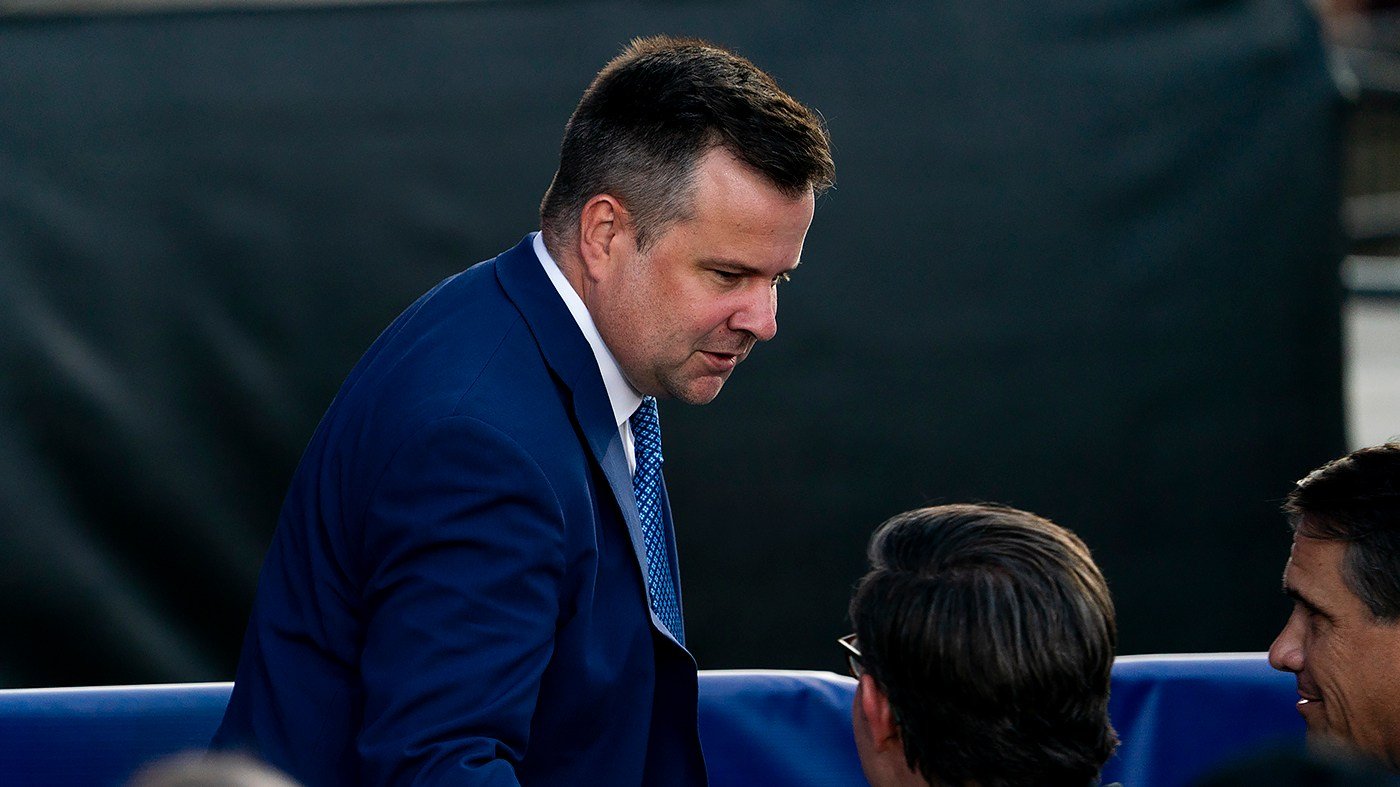
China's state-backed lending dwarfs U.S. efforts
Since 2015, Beijing has funneled at least $446 billion into global energy infrastructure and exports—roughly ten times what the United States has invested. Chinese energy technologies are not winning contracts because they are superior, Cramer argues, but because China's state banks deploy heavy subsidies and predatory lending practices.
To counter this, Cramer advocates for a uniquely American approach: leveraging EXIM to unlock private capital and support U.S. exporters without costing taxpayers a dime. EXIM steps in where private lenders hesitate, particularly when foreign governments distort the market. A modernized EXIM would help American companies convert strengths in nuclear energy, liquefied natural gas, and geothermal technology into signed contracts rather than missed opportunities.
Reform needed to shed risk-averse culture
Despite its potential, EXIM currently operates with what Cramer calls "one hand tied behind its back." The bank's risk-averse culture has left three-quarters of its lending authority unused, even as adversaries aggressively finance cutting-edge projects. A recent EXIM Competitiveness Report found that governments are relying on export credit at levels not seen in a decade, putting American exporters at a serious disadvantage.
Cramer points to the 2015–2019 period when EXIM lost its authorization and board quorum, costing U.S. exporters business to foreign rivals. He is pushing for a bipartisan, 10-year reauthorization—the longest in the bank's history—to signal Washington's commitment to supporting American business abroad.
Modernizing risk management and project selection
To give EXIM a genuine competitive edge, Cramer supports recommendations from the bank's advisory committee, which in June called for eliminating the current 2 percent default rate shutdown trigger and adopting bolder risk standards. These changes would allow EXIM to back transactions that advance U.S. national and economic interests while maintaining its strong financial track record.
The senator's push comes amid broader tensions with China over technology and investment. As Washington tightens restrictions on Chinese tech investments and scrutinizes academic ties, the EXIM reauthorization is seen as a complementary tool to bolster U.S. economic competitiveness. Meanwhile, the Federal Energy Regulatory Commission has proposed fast-track approvals for LNG export expansions, which could benefit from a revitalized EXIM.
"The country financing the next decade's energy infrastructure and critical minerals supply chains will set the terms of engagement this century," Cramer wrote. "Congress must reauthorize the Export-Import Bank for the long haul, equip it to compete, then let American innovators, workers and technology do the rest."
Failure to act, he warns, would allow China to power the next decade on its own terms, with profound implications for global stability and American prosperity.