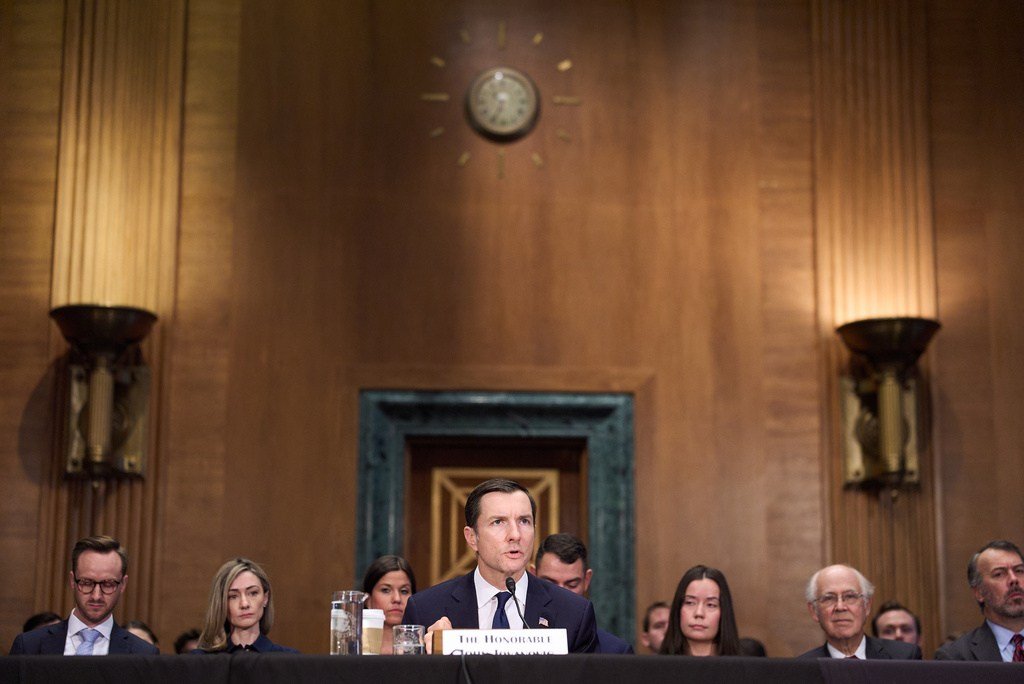
With the Export-Import Bank's charter set to lapse at the end of the year, Sen. Kevin Cramer (R-N.D.) is making a final push for Congress to renew and update the agency, arguing that inaction would hand China a decisive advantage in global energy markets and jeopardize tens of thousands of American jobs.
The bank's current authorization expires Dec. 31, leaving more than $70 billion in pending projects—including strategic energy and critical minerals ventures—in limbo. These projects, Cramer said, would support over 45,000 U.S. jobs. Without swift legislative action, he warned, U.S. workers would bear the cost while foreign competitors step in to fill the void.
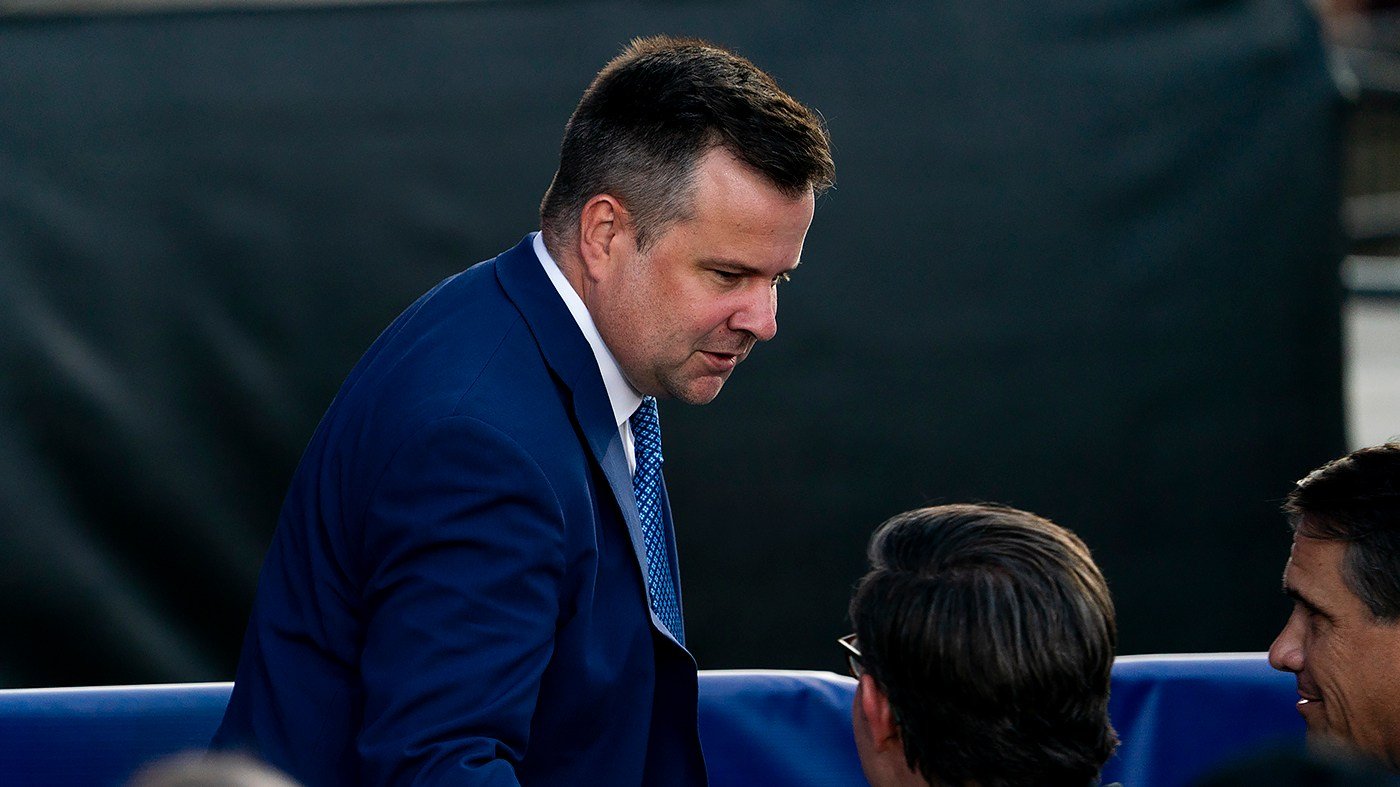
Cramer, a member of the Senate Banking Committee, framed the reauthorization as a direct challenge to Beijing's aggressive state-backed financing. Since 2015, China has poured at least $446 billion into global energy infrastructure and exports—nearly ten times the U.S. investment. Chinese energy technologies are not winning contracts because they are superior, Cramer argued, but because China's state banks deploy heavy subsidies and predatory lending terms.
To counter that, Cramer advocates a uniquely American approach: use EXIM to unlock global sales without costing taxpayers a dime. The bank operates at no net expense to the federal government and does not crowd out private capital—it fills gaps where private lenders are unwilling to go alone or where foreign governments have already tilted the playing field. By leveraging America's dynamic private markets, EXIM can help U.S. innovators and builders export their leadership and sell energy solutions worldwide.
A modern, well-capitalized EXIM, Cramer said, would convert American strengths in nuclear energy, liquefied natural gas, and geothermal into signed contracts rather than missed opportunities. But the bank currently competes with "one hand tied behind its back," burdened by a culture of risk aversion that leaves three-quarters of its lending authority unused even as adversaries push forward on cutting-edge projects.
EXIM's own Competitiveness Report found that governments are using export credit at the highest levels in a decade, relying on these agencies to win projects in strategic industries. While foreign governments finance aggressively, American exporters face a serious disadvantage—a gap that an authorization lapse would only widen.
U.S. businesses have already paid this price. When EXIM lost its authorization and board quorum from 2015 to 2019, American exporters lost contracts to foreign rivals. A bipartisan, 10-year reauthorization—the longest in the bank's history—would signal Washington's commitment to backing U.S. business abroad, Cramer said.
To give EXIM a genuine competitive edge, Cramer backs modernized risk management and project selection. In June, the bank's advisory committee—composed of industry, finance, and labor leaders—recommended eliminating the current 2 percent default rate shutdown trigger and adopting bolder risk standards. These changes, he said, would allow the bank to support transactions that advance American national and economic interests while maintaining its strong financial track record.
The stakes, Cramer argued, extend beyond individual contracts. The country that finances the next decade's energy infrastructure and critical minerals supply chains will set the terms of global engagement this century—whether those terms are rooted in peace, prosperity, and power or in heavy-handed government oppression. Congress must reauthorize EXIM for the long haul, equip it to compete, and then let American innovators, workers, and technology do the rest. "The alternative," he said, "is watching China power the next decade on its own terms."
Cramer's push comes amid broader Washington efforts to counter Beijing's economic influence, including new restrictions on U.S. tech investment in China and heightened scrutiny of university ties to Beijing. The debate over EXIM's future is likely to intensify as the year-end deadline approaches.