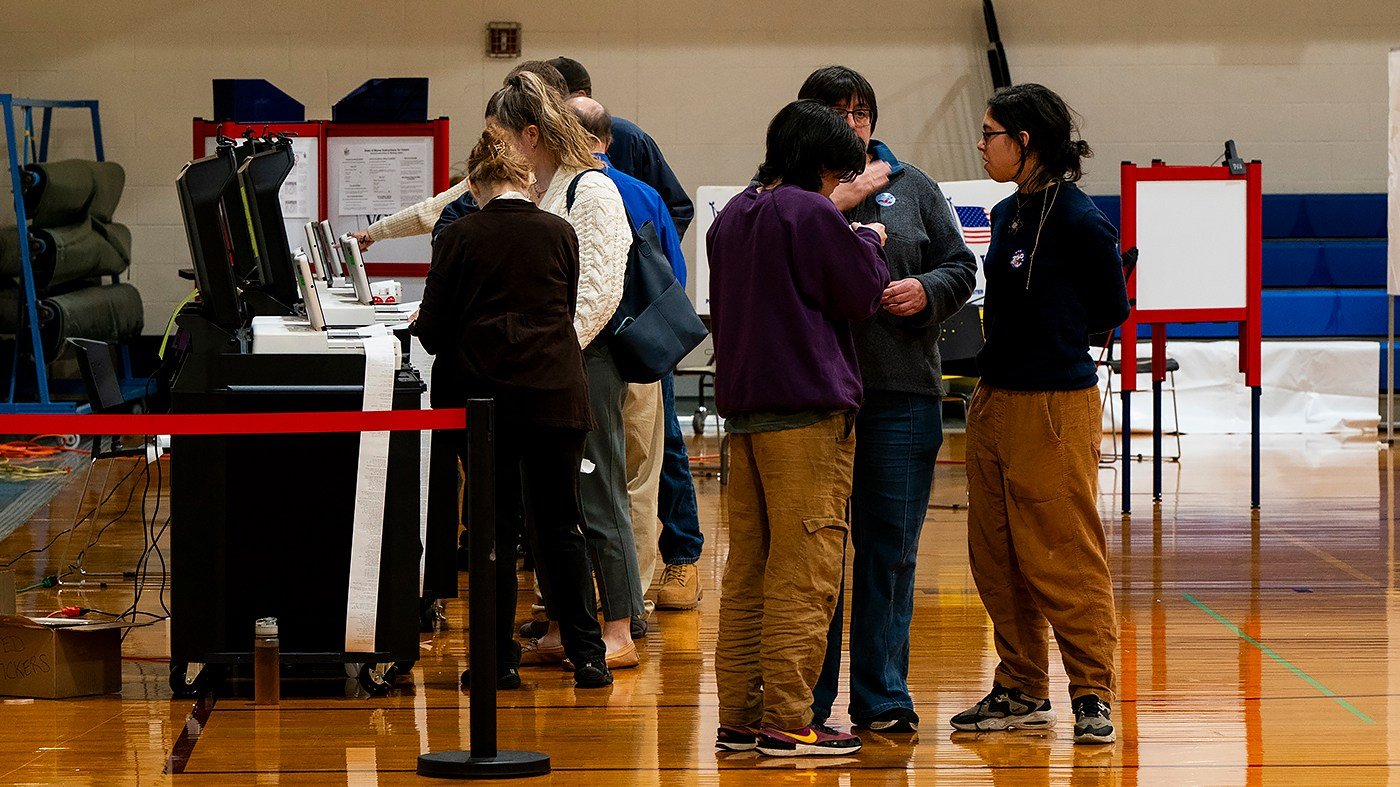
Tuesday's elections delivered a resounding victory for Democrats, handing them control of Congress and providing a long-sought rebuttal to President Trump's return to the White House. The wins, spanning from Texas to Pennsylvania, have given fresh momentum to the party's centrist wing, which argues that appealing to moderate voters is the key to reclaiming the presidency in 2028.
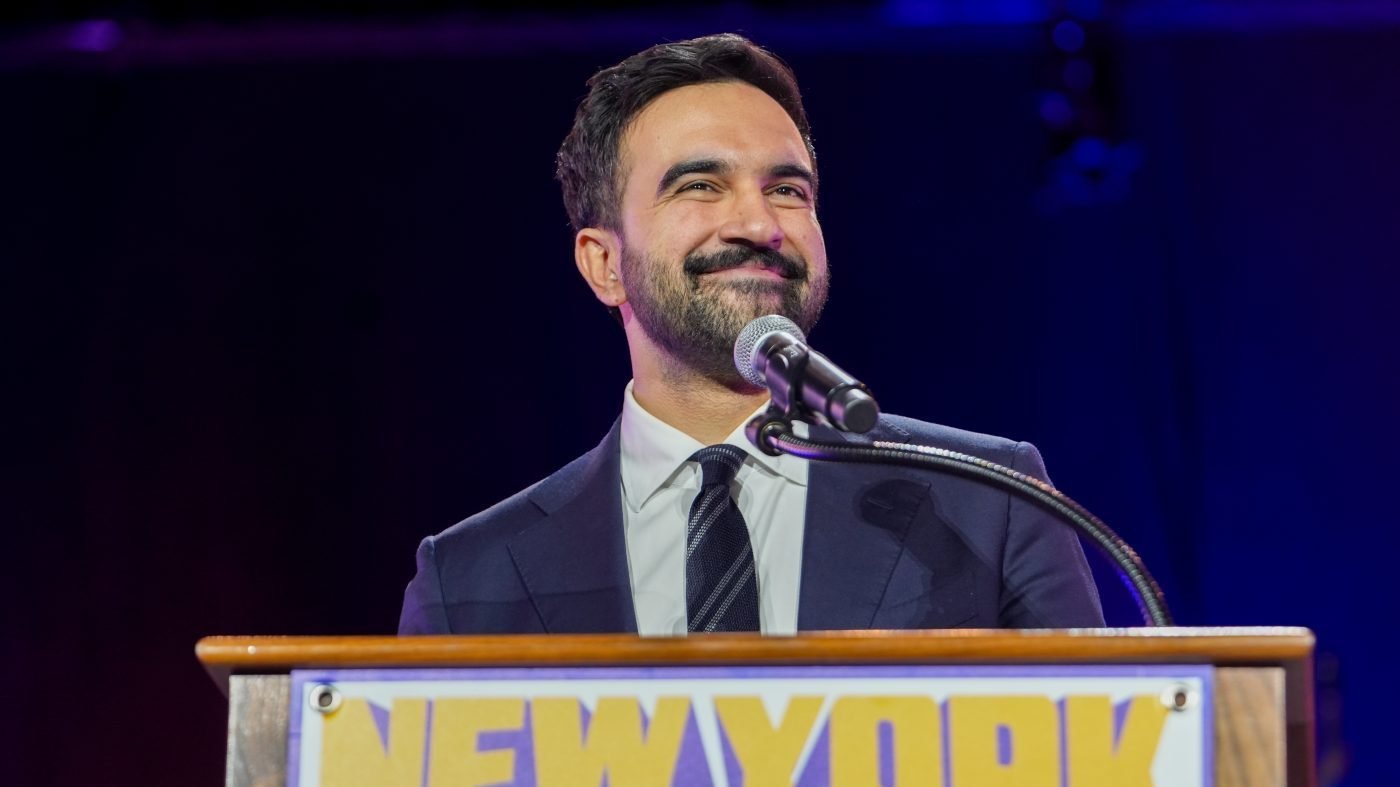
Yet the same night produced a counter-narrative: progressive Abdul El-Sayed's victory in Michigan demonstrated that a candidate running on a liberal platform can also win. This dual outcome has set the stage for an intense internal struggle over the party's identity, a battle likely to play out in congressional caucuses and on the presidential primary debate stage as early as 2027.
Some Democratic insiders are urging the party to avoid a destructive internal feud, emphasizing that both centrists and progressives are essential to national victories. "To win in a lot of places you need a big tent and a big tent needs multiple poles to stand," said Democratic strategist Eddie Vale. "There is no one magic trick to win elections and we need different types of candidates in different districts and states to win." Vale added, "We need to continue that moving forward instead of fighting over whose group or ideology was the one thing that won it."
However, immediate tensions are likely to surface over how aggressively to confront Trump. Even before the midterms, Democrats were preparing for battles over investigations into the president and potential impeachment proceedings. House Minority Leader Hakeem Jeffries, expected to become Speaker, will face pressure from both wings of the party.
"Look, we won. But now the challenge really begins. We can continue the political nonsense of recent years or we can use this time to improve upon our message," one Democratic strategist said candidly. "In many ways, people weren't voting for us Tuesday night, they were voting because they're pissed off at the status quo," the strategist continued. "They're pissed off at the establishment. But they still have huge, huge doubts about us. And what we do next is going to matter. If we start pulling the political moves, we're going to pay in 2028."
Democratic strategist Basil Smikle echoed the need to focus on voters rather than Trump, advocating for policies that improve affordability and strengthen community institutions. Smikle pointed to potential 2028 contenders like Sen. Jon Ossoff, Gov. Gavin Newsom, and Gov. Andy Beshear, noting, "I think the groundwork has been laid for a new Democratic coalition that only helps whomever emerges in 2028." He highlighted the party's success in swing states like Wisconsin, Michigan, and Ohio, as well as southern states like North Carolina and Georgia, suggesting an expanded electoral map.
The debate over the party's future direction has also fueled speculation about potential nominees. Some argue that only a moderate can win nationally, but others see El-Sayed's Michigan win as a blueprint for a progressive candidate like Rep. Alexandria Ocasio-Cortez. "Aside from the Democrats who won Senate and gubernatorial races in battleground states, AOC was last night's biggest winner," said Robert Wolf, a Democratic powerbroker and former CEO of UBS Americas. "Populism is landing with voters everywhere, and the trends back to Democrats amongst Latino voters helped expand the map to places like Texas and even Florida." Wolf, an early backer of Barack Obama, believes this positions Ocasio-Cortez well for a presidential run.
John Morgan, a longtime Democratic mega donor, went further, suggesting that if Ocasio-Cortez secures the progressive lane, "the others would cannibalize each other…and she is the nominee." He added, "America is desperate and hurting. That's when revolutions occur."
Moderates, however, remain unconvinced. "If anyone thinks we're going to win with a DSA or progressive candidate in 2028, I've got a bridge to sell them today," a second Democratic strategist said bluntly. "Look at the races one by one. With the exception of Michigan, the Democrats who won statewide appealed to a broad swath of their electorate, full stop." This strategist stressed that the party must focus exclusively on economic messaging in the next two years to prove they have a plan, warning that failure to do so could repeat the mistakes of 2024.
Vale cautioned against overconfidence, urging patience and humility about predicting the nominee. "Candidate quality mattered a lot this cycle and we need to let the crucible of the primary play out to see who is going to be the best to emerge," he said. As Democrats celebrate their victories, the internal debate over their path to 2028 has only just begun.