In 2014, venture capitalist Nick Hanauer warned that unless the United States tackled economic inequality, society would face a revolt. “Beware, fellow plutocrats,” he said in a TED Talk, “If we do not do something to fix the glaring economic inequities in our society, the pitchforks will come for us.” That warning now seems prescient as democratic socialism gains ground across the country.
Donald Trump tapped into this discontent in 2016, winning the presidency by promising to “break up the rigged system in Washington and empower every American to succeed.” Analysts attributed his victory to a “revenge of a downwardly mobile white working class that feels ignored by progressive elites.” He repeated the playbook in 2024, vowing to “end inflation and make America affordable again,” though he sidestepped the growing concentration of wealth among the elite, instead blaming Joe Biden, globalization, and high taxes.
Sen. Bernie Sanders (I-Vt.), a leading voice for democratic socialism, offered a different diagnosis. “Today, we have more income and wealth inequality than at any time since 1928,” he said in 2017, pointing to a “rigged” economy where billionaires elect politicians who favor the upper class. “The needs, the concerns, the ideas, the dreams of ordinary people are simply an impediment to what they, the oligarchs, are entitled to,” Sanders argued.
That view resonates with many Americans today. As one analyst put it, “Democrats are becoming Bernicrats.” The Brennan Center for Justice reports that over 90% of voters see corruption as a major problem in politics and government; nearly 70% consider Trump corrupt, and 81% feel the same about his Cabinet and agency leaders. Over 85% say Congress is corrupt. Specific concerns include spending taxpayer dollars without public benefit (90%), politicians using office for personal gain (97%), prioritizing billionaires’ interests (94%), and bending the rule of law (94%). Trump ticks all these boxes, engaging in what critics call “epic corruption in plain sight.”
The Rise of Democratic Socialism
Conservatives often conflate socialism with communism, but democratic socialism promotes economic equality within capitalist constitutional democracies like the United States. It embraces government policies that level the economic playing field. Voters might ask which system best supports life satisfaction. In 2016, before Trump took office, the U.S. ranked 13th in global happiness; it now ranks 23rd, and among those under 30, it falls to 62nd. By contrast, Nordic nations with progressive social programs dominate the top 10, offering free healthcare, education through college, and paid parental leave.
Meanwhile, middle- and lower-income households struggle with costs of healthcare and education, while Trump spends millions on self-aggrandizing projects. The Iran war has cost U.S. taxpayers over $113 billion directly and over $1 trillion when including economic fallout. While businesses and families faced high fuel costs, the 100 largest oil companies raked in $30 million every hour during the war when oil prices exceeded $100 per barrel.
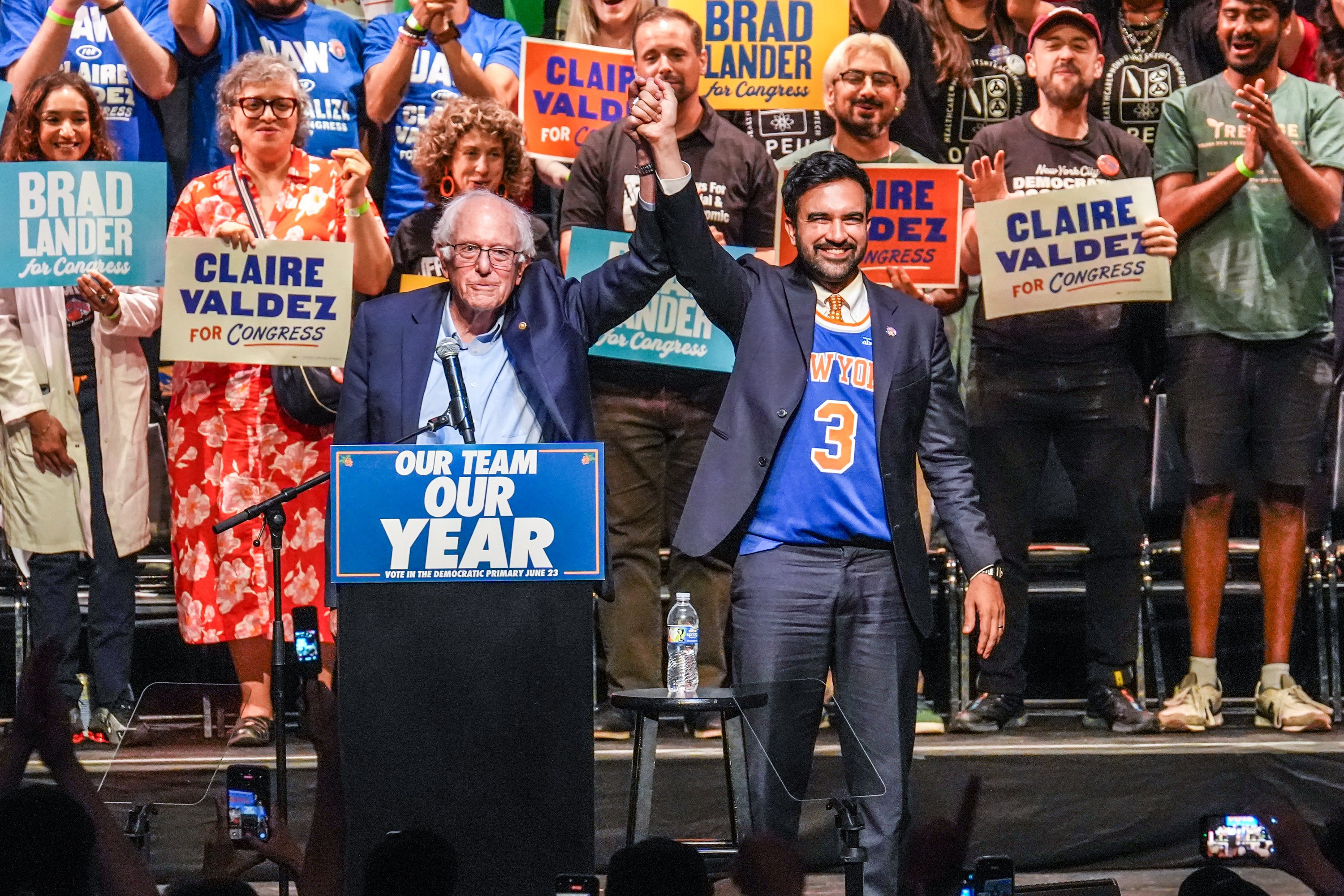
The Democratic Socialists of America (DSA) has grown from a few thousand members to over 100,000 nationwide in the last decade. In 2017, it counted 35 members in state and local offices; last year, that number exceeded 250. Last week, New York voters delivered primary wins to three congressional candidates endorsed by Mayor Zohran Mamdani, a democratic socialist. So far this year, DSA-backed candidates have won 35 primaries across the U.S., including upsets against entrenched incumbents.
This surge reflects a broader shift. As democratic socialists eye Colorado and Wisconsin after New York primary wins, and New York’s socialist primary wins pose fresh risks for House Democratic unity, the movement is reshaping the party’s landscape. Some Democrats argue the party must challenge corporate power and embrace socialists to remain relevant.
Whatever their motivation, voters tired of the mess at the highest levels of government and the lowest tiers of the economy could make Nov. 3 their happiest day in a very long time.