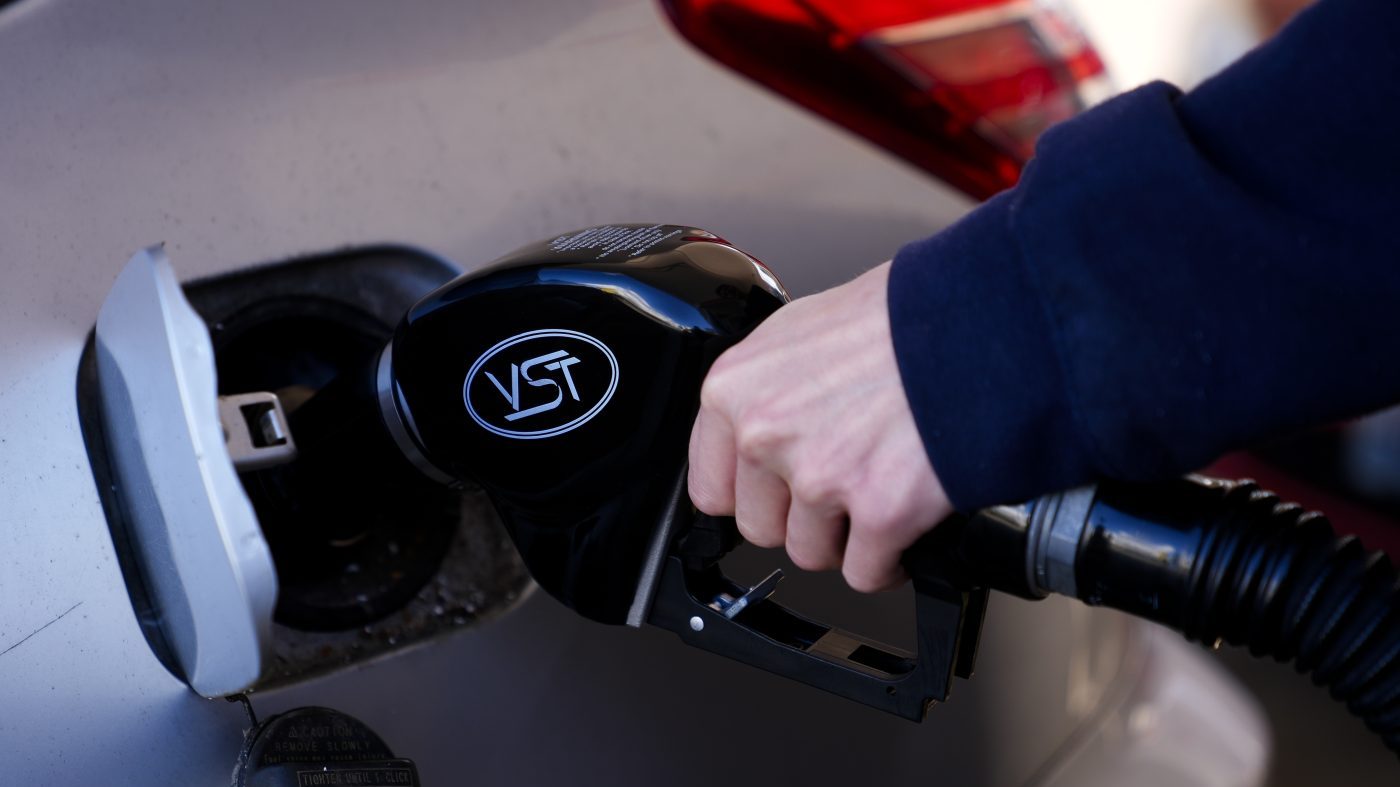
The economic front of the US war with Iran is reaching a critical juncture, with both sides feeling the pinch as negotiations over Tehran's nuclear ambitions remain stuck. Iran's chokehold on the Strait of Hormuz has pushed average American gas prices to $4.18 per gallon, the highest since hostilities began, while President Trump's approval ratings continue to slide.
Trump and his team counter that Iran is running out of room to store its oil and gas under a US naval blockade, and must accept Washington's terms to end the conflict. "We are in an economic waiting game, and I think both sides think they can outlast the other," said Kristian Coates Ulrichsen, a Middle East fellow at Rice University's Baker Institute. How long each country can absorb the economic shocks will shape any eventual peace deal or risk a return to open warfare.
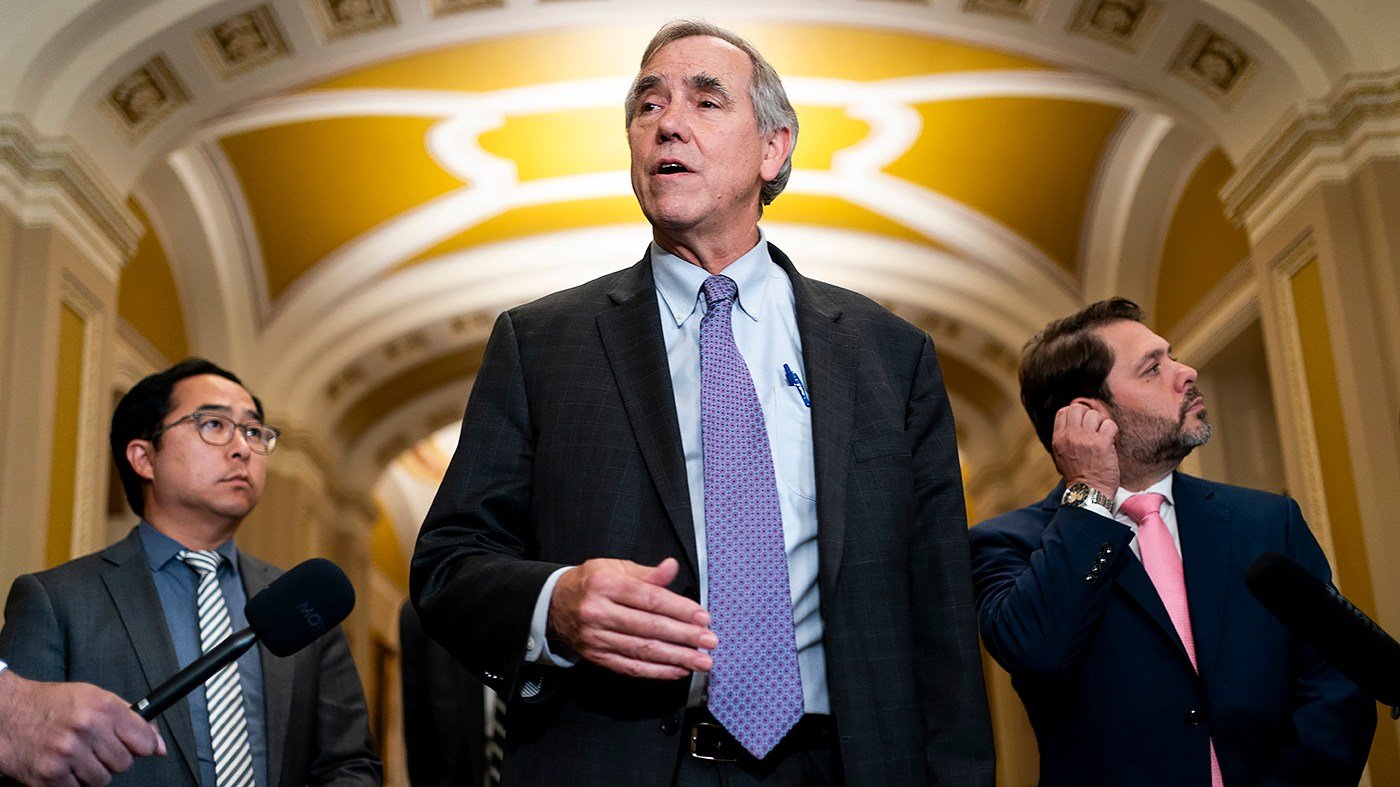
Adnan Mazarei, a nonresident senior fellow at the Peterson Institute for International Economics, noted that "undoubtedly the pressure on Iran and its difficulties are not even comparable with the US. The US economy is strong, it's doing fine." But he added that "there is pressure on [US] prices, and those will cause difficulties and will have political consequences for the Trump administration."
Iran's economy is being squeezed from all sides, escalating poverty that was already on the rise. Mazarei observed that "the government has tolerance for some of the burdens on the Iranian people — and to the extent a government is willing to tolerate the suffering of its own people, its resilience to foreign pressure goes up."
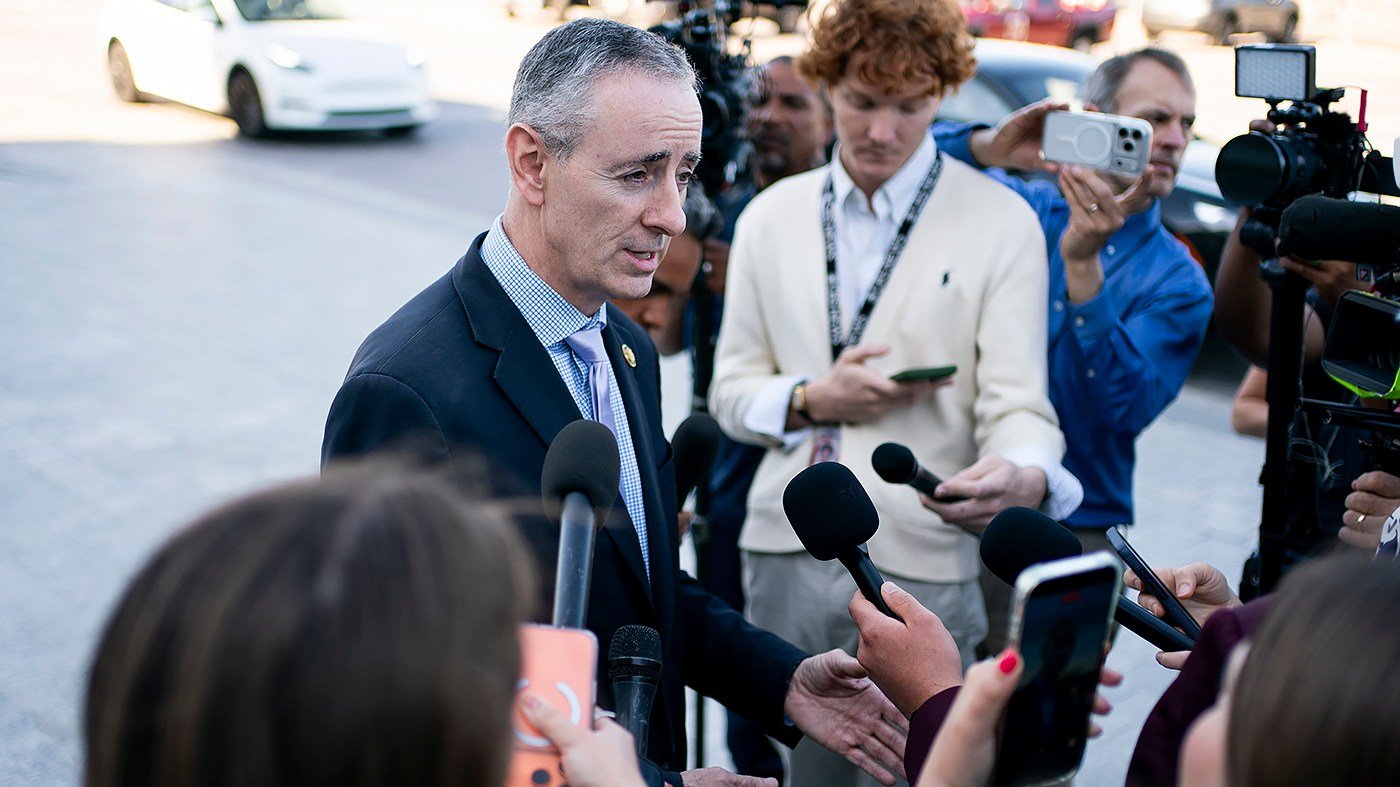
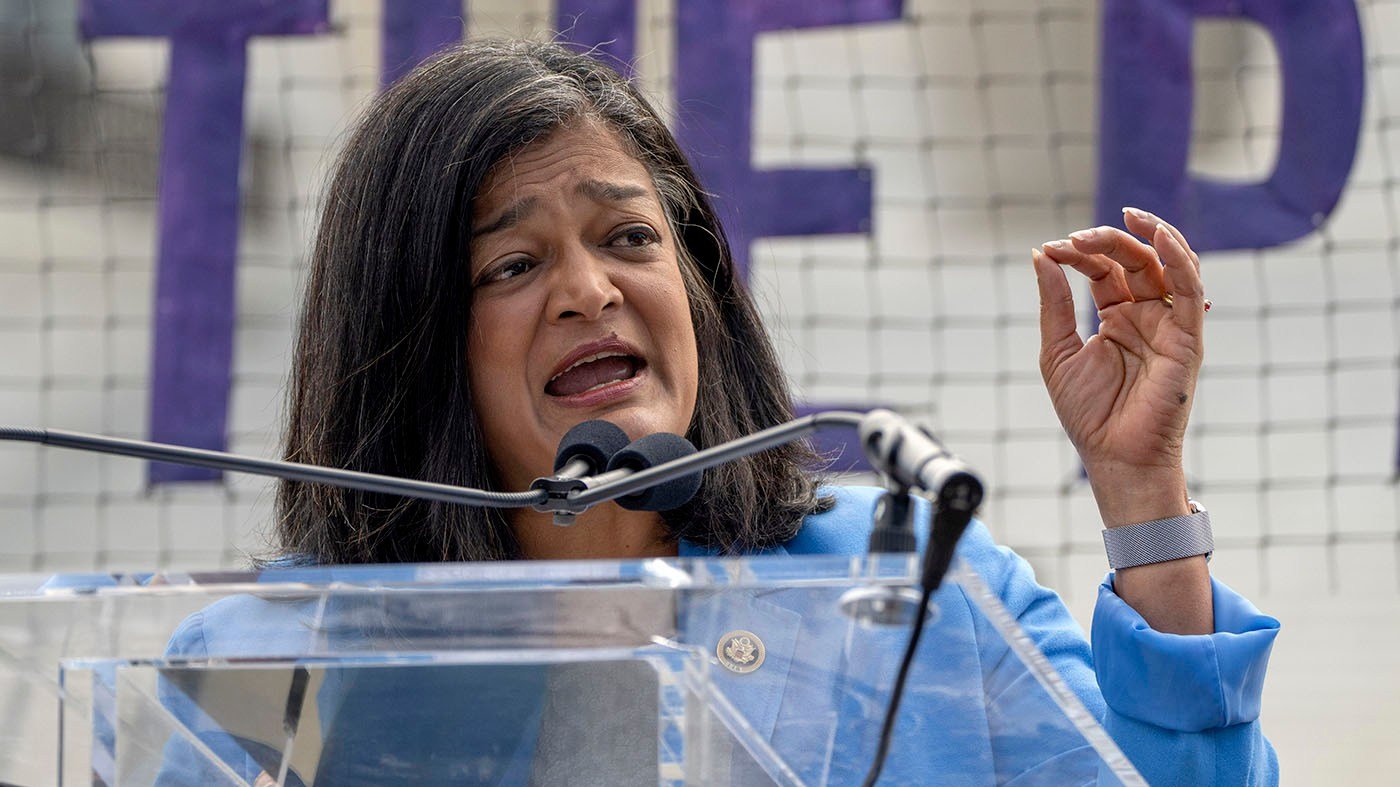
Domestically, Trump and the GOP face growing discontent six months before midterm elections that could cost them control of Congress. A recent AP-NORC poll found 76% of Americans disapprove of Trump's handling of the cost of living, including 47% of Republicans, and 67% disapprove of his handling of the Iran war. A Gallup survey showed a record 55% of Americans say their financial situation is worsening, though 53% said the same last year.
Businesses are also feeling the heat. A group of budget airlines has requested $2.5 billion in government aid due to rising jet fuel costs, as reported by the Wall Street Journal. Agriculture Secretary Brooke Rollins has said the administration is preparing a broad set of fertilizer initiatives to help farmers hit by higher costs and shortages linked to Iran's closure of the Strait of Hormuz.
Mark Wolfe, executive director of the National Energy Assistance Directors Association, warned that high fuel prices are hurting poor and middle-class families. "Even if the average family is paying maybe $80 more a month for gasoline, it starts to add up, because they're also facing higher electric costs, higher summer cooling costs, and now the price of food is going up," he said. Wolfe noted that while the stock market has remained stable, "if the economy starts to unravel, if the stock market drops by 20 or 30 percent, this is his war, so the pressure on the President would be really high."
Trump recently extended a unilateral ceasefire with Iran, and while Tehran has rebuffed direct talks, both sides are trading proposals. Secretary of State Marco Rubio called Iran's closure of the Strait an "economic nuclear weapon" and said Tehran's latest offer is "better than what we thought they were going to submit." The proposal reportedly includes reopening the Strait while postponing nuclear talks. Trump has demanded Iran surrender its enriched uranium stockpiles and halt enrichment.
Rubio suggested that military and economic pressure—including sanctions and the naval blockade—is driving Tehran's outreach. "They're very experienced negotiators, and we have to ensure that any deal definitively prevents them from sprinting towards a nuclear weapon at any point," he said.
On Tuesday, Trump taunted Iran on his social media site, claiming Tehran told the US it is in "a 'State of Collapse.'" He wrote that Iran wants the US to "Open the Hormuz Strait" as soon as possible while it sorts out its leadership. The US blockade, enforced by dozens of Navy ships and over 10,000 service members, appears to be biting. Global trade intelligence firm Kpler estimates Iran has between 12 and 22 days of oil storage capacity left, according to a report published Monday.
As both sides calculate their next moves, the economic pain is becoming a decisive factor. The outcome of this standoff will have profound implications not just for the region but for domestic politics, with midterm elections looming and public patience wearing thin. The question remains: who will blink first?