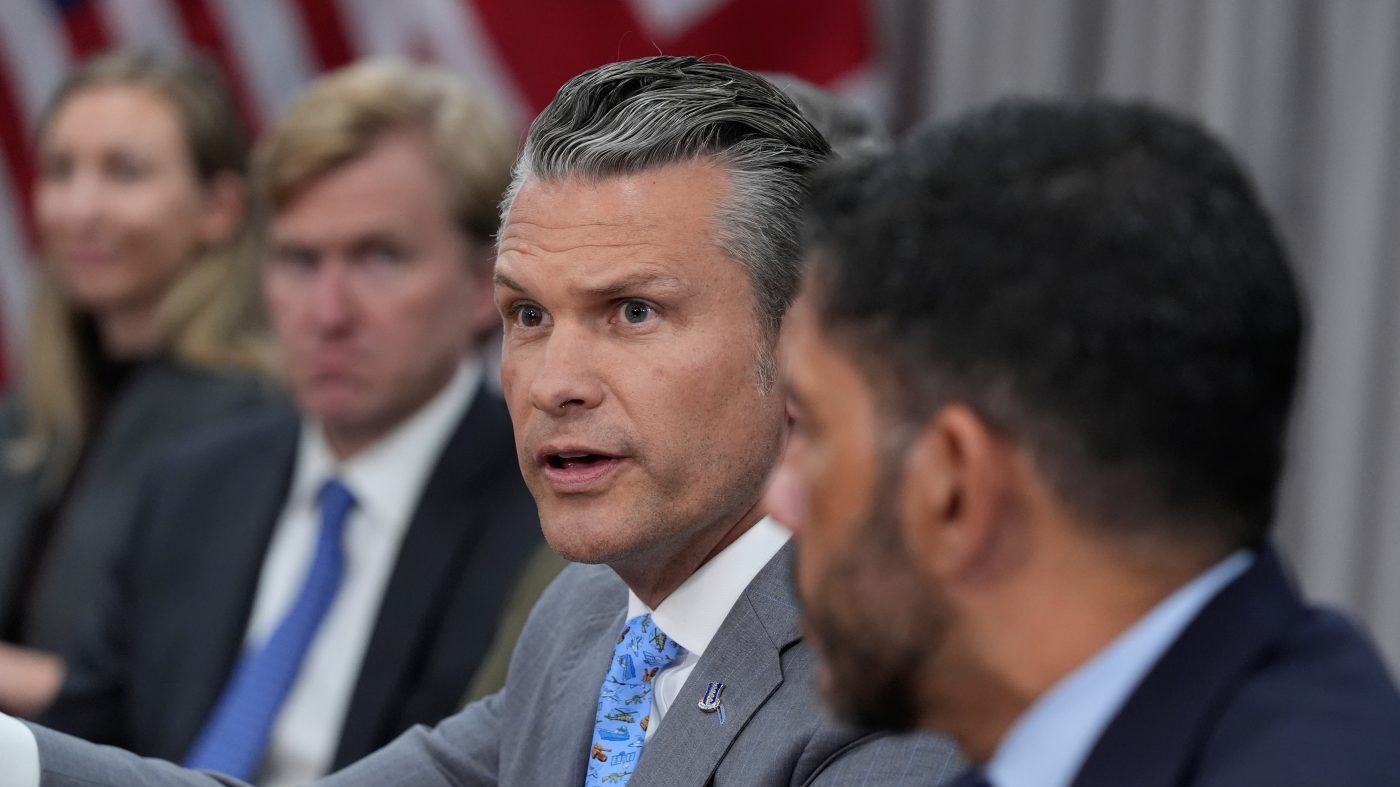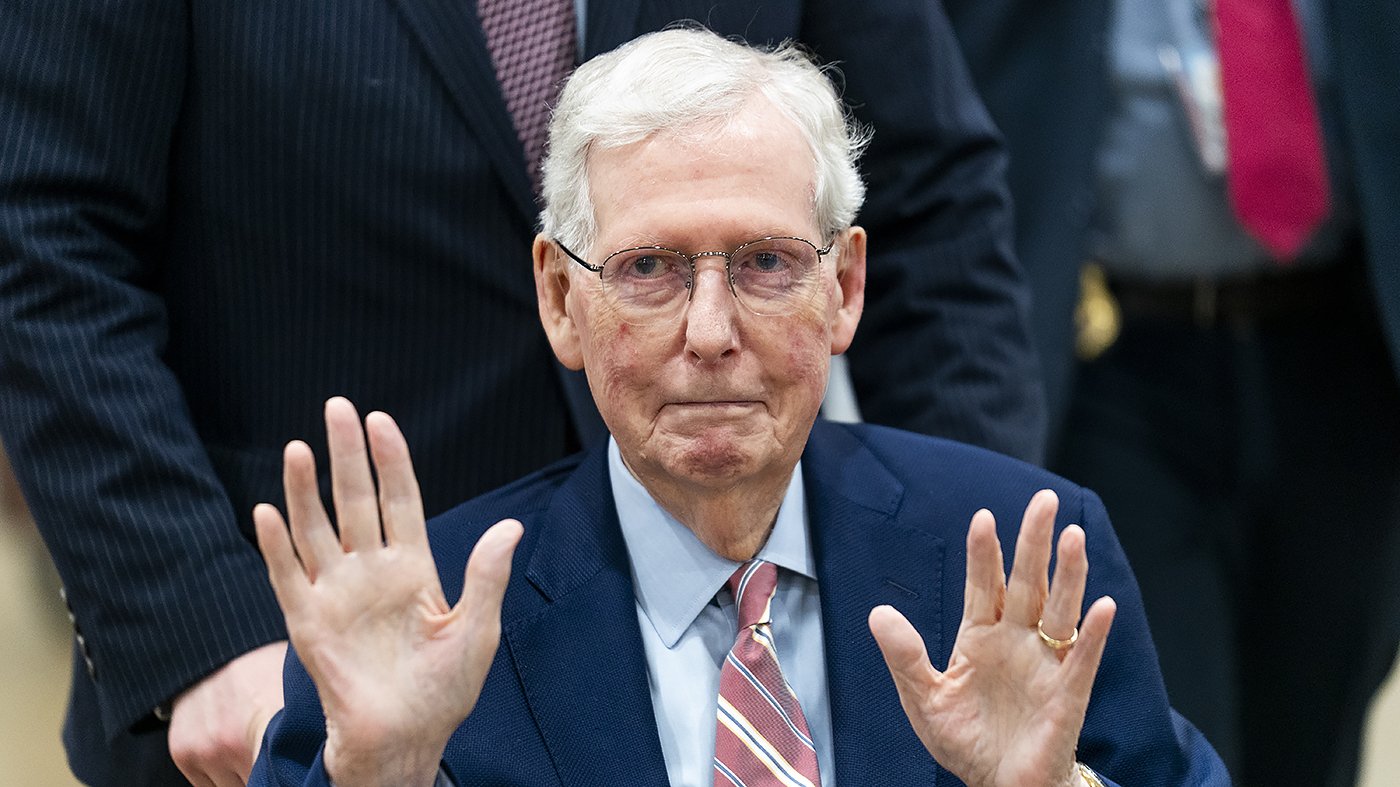
Senate Defense Appropriations Subcommittee Chair Mitch McConnell (R-KY) is publicly rebuking the Pentagon for failing to disperse $400 million in military aid to Ukraine that Congress approved months ago. In a pointed op-ed published in The Washington Post, McConnell lays blame squarely on Elbridge Colby, the undersecretary of defense for policy, accusing his office of obstructing the funding.
“Republican majorities on both armed services committees authorized $400 million for the Ukraine Security Assistance Initiative for each of the next two years. Appropriators fully funded that authorization for fiscal 2026 with overwhelming support,” McConnell wrote. “Yet the Ukraine aid we passed months ago is now collecting dust at the Pentagon. When Senate appropriators have sought an explanation from the department’s policy shop, led by Undersecretary Elbridge Colby, they’ve been stonewalled.”
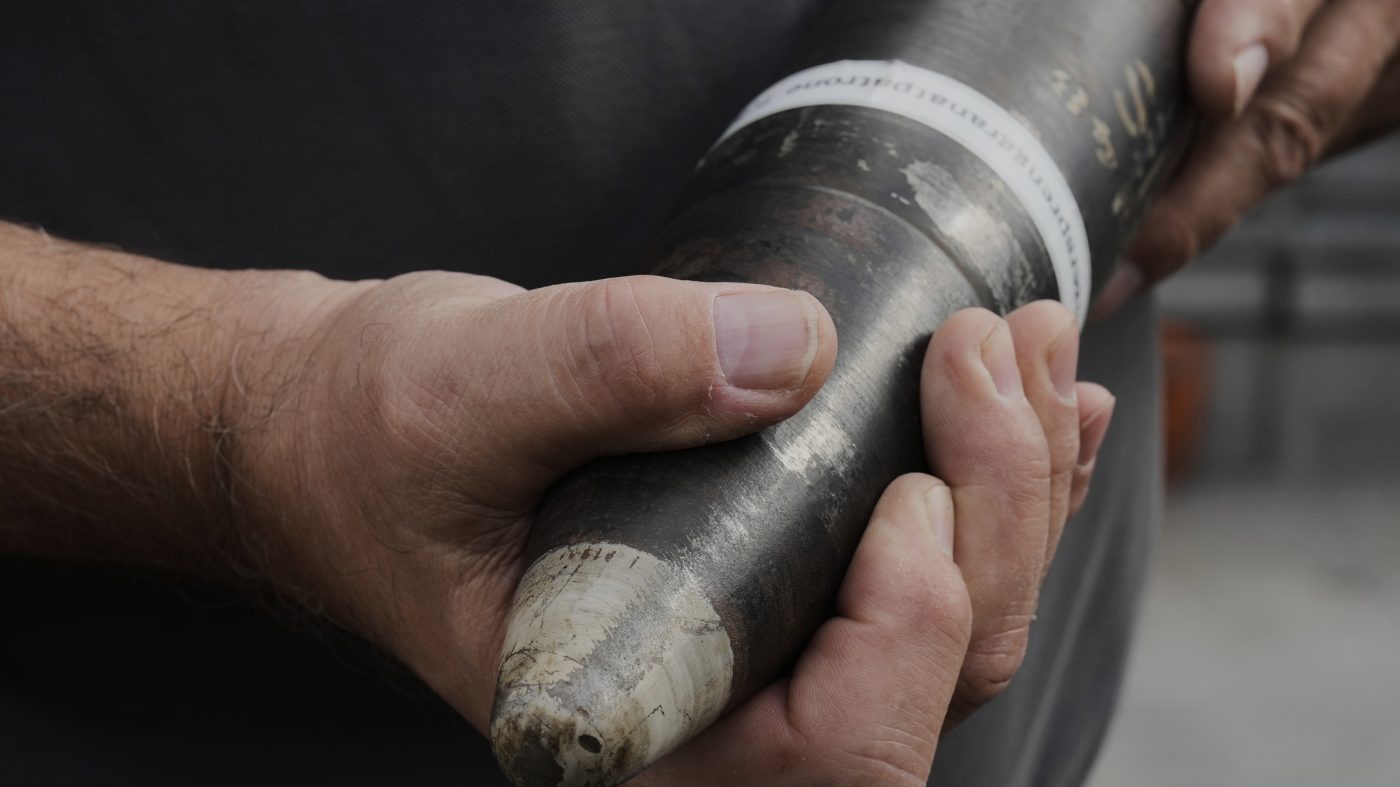
The $900 billion National Defense Authorization Act for fiscal year 2026 allocated $400 million for Ukraine in 2026 and another $400 million in 2027 through the Ukraine Security Assistance Initiative. The money is earmarked to finance production of high-priority weapons by American firms for Ukraine’s armed forces.
McConnell noted that Colby, according to media accounts, previously halted arms shipments to Ukraine last year. “This doesn’t seem to be a first for Colby. Last year, he was reportedly behind the decision to suspend arms shipments to Kyiv — a decision that one source said caught President Donald Trump ‘flat-footed,’” McConnell wrote. He added that Colby deemed security assistance to Ukraine and NATO allies in the Baltics “wasteful” and excised those programs from the fiscal 2026 budget request.
Republican majorities in Congress restored the funding, viewing it as a critical national security investment. “In the first two years of the full-scale war, support for Ukraine drove billions of dollars in investments in the U.S. defense industrial base,” McConnell emphasized. Even though he characterized President Biden’s response to Russia’s invasion as “anemic,” McConnell noted that Senate appropriators managed to pass supplemental funding under Biden to expand production capacity for munitions and components.
The Kentucky Republican also took aim at Pentagon leadership for restricting the number of U.S. advisors allowed to travel to Ukraine, arguing the policy hinders the military’s ability to gather battlefield intelligence. “I know … officers who are eager to apply Ukrainians’ counter-drone and electronic warfare lessons to the U.S. Army’s preparations for future conflicts. They can’t learn from a war, however, if they can’t properly observe it,” he wrote. “The Pentagon nevertheless continues a Biden administration policy of significantly capping the number of military trainers authorized to assist Ukraine and witness the conflict up close.”
McConnell warned that U.S. adversaries are already exploiting this knowledge gap. “They are learning and adapting. Iran has made that painfully clear in its attacks on U.S. personnel and facilities in the Persian Gulf, which applied drone capabilities honed by Russia with deadly effect,” he wrote. “North Korea has likewise gotten involved, sending troops to Russia not out of charity but for tactical experience and closer alignment with Moscow.” He added that China is “doubtless watching events in Ukraine” as it shapes its own military investments.
Despite these concerns, McConnell lamented, “the Pentagon still won’t tell us why it hasn’t obligated and executed modest Ukraine investments.” The standoff comes amid broader tensions between Congress and the Defense Department over Ukraine policy, with lawmakers preparing to grill Pentagon officials on related issues. Meanwhile, the Pentagon’s classified AI deal with Google has sparked internal backlash, and a recent appeals court ruling allows the Pentagon to escort journalists during press access disputes, further fueling scrutiny of the department’s transparency.