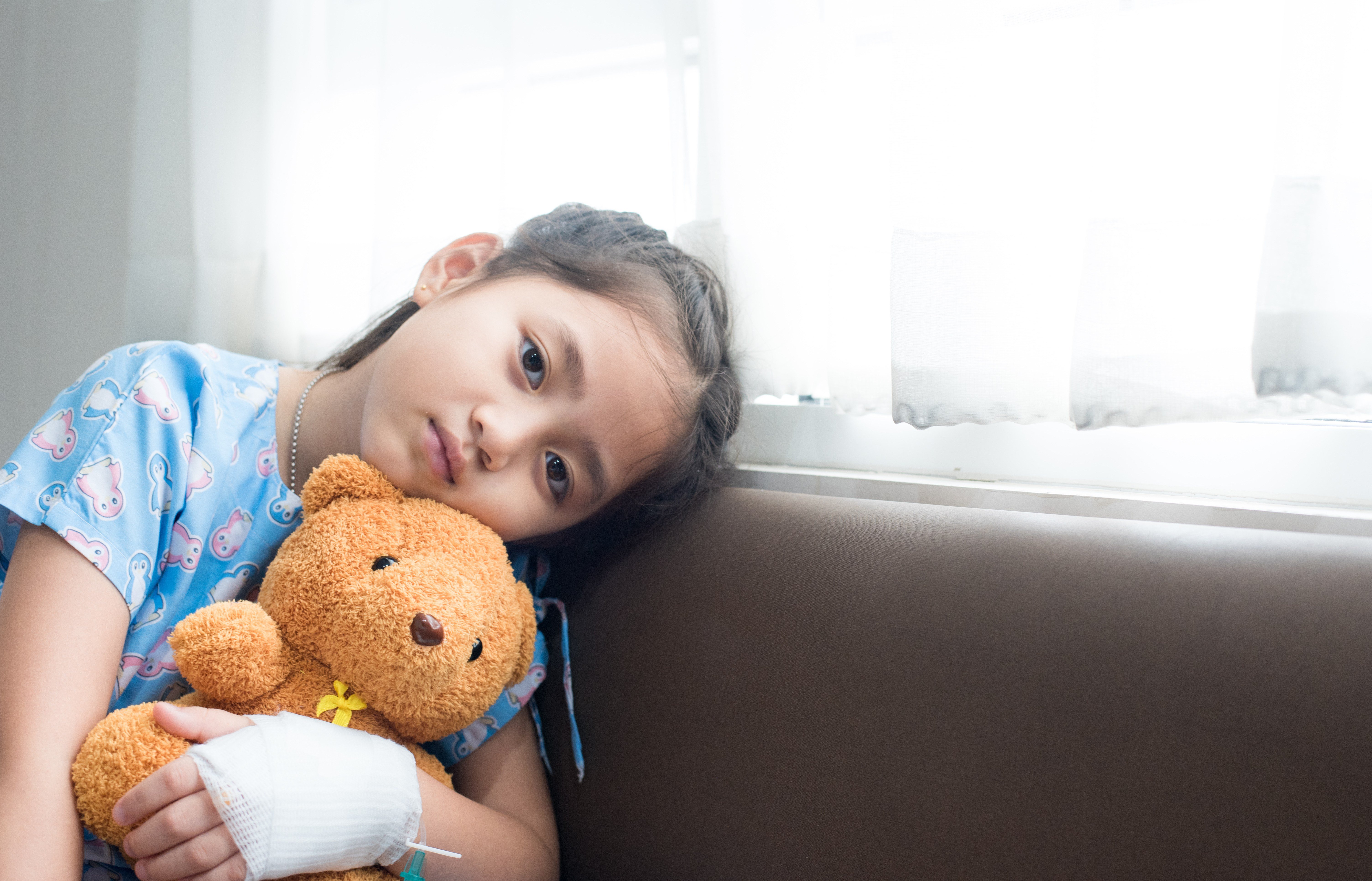
More than a year after the Trump administration asked the Environmental Protection Agency's Children's Health Protection Advisory Committee to help realize the Make America Healthy Again agenda, the panel remains dormant—a silence that critics say betrays the administration's core pledge to safeguard the nation's youngest citizens.
Jean-Marie Kauth, a professor at Benedictine University and a committee member, said the panel's first MAHA report, issued with some caveats, largely echoed long-standing concerns about toxic exposures and corporate influence. But despite that alignment, the administration has failed to follow through, leaving the committee's work unfinished.
The Children's Health Protection Advisory Committee is the sole EPA body dedicated to advising on pediatric environmental health threats. Under the current administration, it has not met since August 2025. New members were supposed to be named by March, but those who would normally resume work have heard nothing. Previously, the committee advised on hazards like take-home pesticide exposure, climate change, and plastics. Now, it is silent.
Late last month, more than 70 children's environmental health leaders and organizations, including former committee members, sent a letter to EPA Administrator Lee Zeldin, urging him to appoint "scientifically credible, varied, and balanced expert viewpoints" to continue the panel's mission. The letter argues that the lapse is inconsistent with the MAHA agenda, which has increasingly drawn criticism as promises go unfulfilled.
Kauth's personal stake is profound. Her daughter Katherine died at age eight from leukemia, which she attributes to exposure to chlorpyrifos, a pesticide later banned under the Obama administration but un-banned by Trump's first EPA. "It is far too late for my own brilliant, beautiful child," she wrote.
Kauth's story is emblematic of a broader crisis. She notes that 40 percent of American children suffer from chronic illness, a statistic the MAHA report itself highlights, blaming toxic products, pollution, and corporate interference. Her research for her forthcoming book, "Poisoning Our Children," reveals how parents are often blamed for their children's illnesses, even as regulatory agencies fail to protect them.
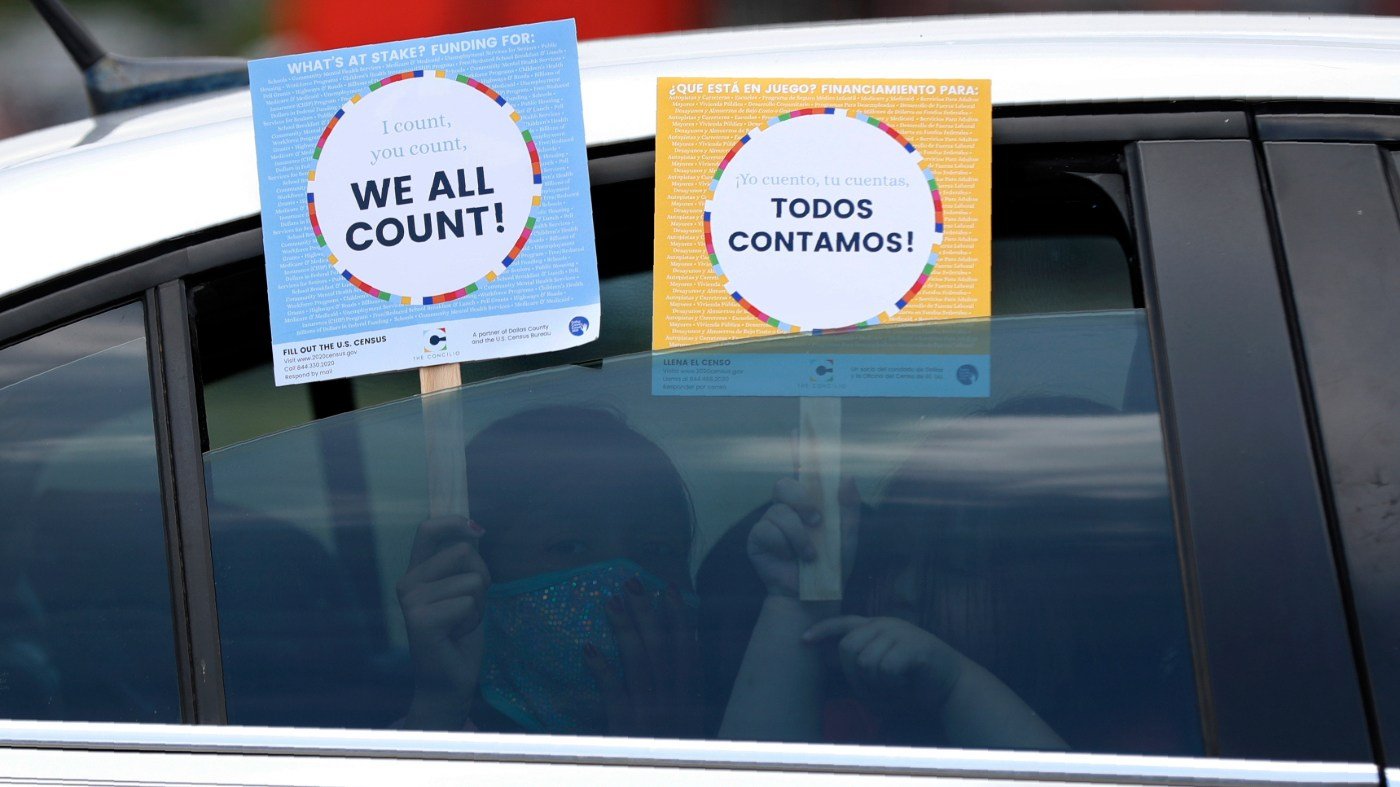
The EPA's inaction on the children's health committee comes amid other contentious moves, including changes to legal representation for immigrant children, which have drawn scrutiny. Meanwhile, the administration's broader agenda has faced criticism on multiple fronts, from return-to-office mandates to census rule changes that could affect data on children of color.
Kauth argues that parents across the political spectrum are united in their concern for their children's health, and they are ready to challenge institutions that fail them. "If we say we love our children, we should not be poisoning them," she said.
If the EPA under the current administration will not act to protect children, Kauth warns, parents should vote to remove those who allow such widespread harm. "The treacherous perpetrators of widespread poisoning" must be ousted from power, she wrote.