The recent exposure of Wedgewood Polling as a hoax has sent shockwaves through the political media establishment. The fabricated polling firm, which produced dozens of bogus surveys favoring Democratic candidates, managed to fool several prominent outlets, including Nate Silver's Silver Bulletin, USA Today, Newsweek, and the New York Times. The latter removed 15 of the phony polls from its tracking page and issued an editor's note. Wedgewood claims the operation was a social experiment to demonstrate how easily fake data can infiltrate election coverage.
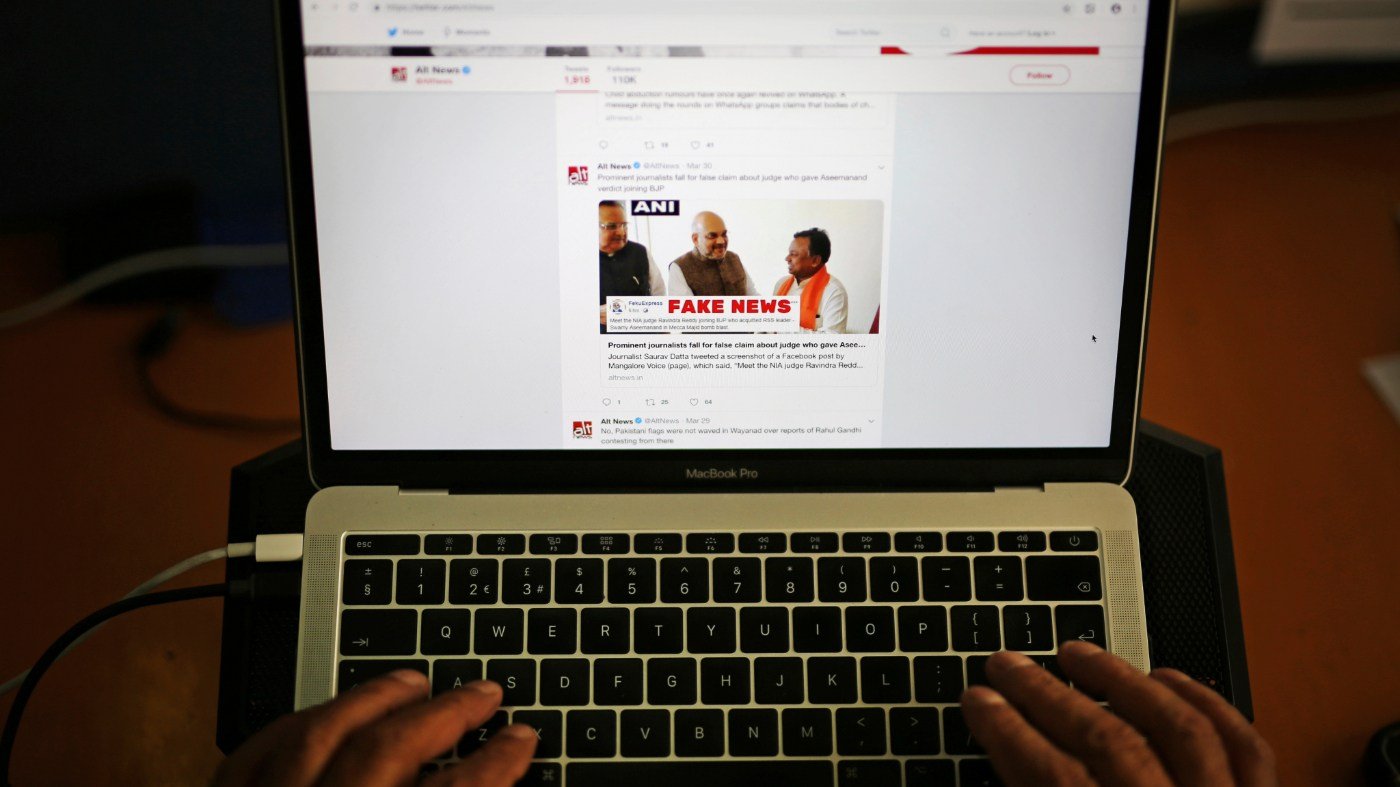
This incident is not an isolated one. It underscores a systemic vulnerability in modern journalism: the ease with which false or misleading information can enter the news cycle. This problem extends far beyond midterm polling, affecting reporting on political violence, health, and even scientific claims. The consequences are significant, shaping public opinion and policy decisions.

One glaring example is the widely circulated claim that right-wing actors are responsible for most U.S. political violence. This assertion, which received extensive media coverage, is based on a deeply flawed study. The study's methodology counts prison fights as "political violence" and classifies inmates as "right-wing," a standard applied to no other group. Despite its obvious deficiencies, the study was reported with little critical scrutiny, illustrating how easily dubious research can shape the national conversation.
This pattern of uncritical acceptance is not new. In 2018, the media eagerly promoted Senator Elizabeth Warren's DNA test as proof of her Native American heritage. The Associated Press declared that the analysis provided "strong evidence" of her ancestry, and some coverage took a smug tone aimed at President Trump, who had mocked Warren's claims. However, a closer reading of the report revealed that Warren was six to ten generations removed from any Native American ancestor—between 1/64th and 1/1,024th Native American. The journalists had apparently failed to read beyond the executive summary.
The Warren episode echoes a 2015 incident where news outlets fell for a hoax study claiming chocolate could aid weight loss. That study was part of an experiment testing journalists' ability to detect junk science—a test they failed spectacularly. The findings were reported instantly without skepticism in outlets like the Daily Mail, HuffPost, and Modern Healthcare. The study's author, journalist John Bohannon, explained that the point was not to trick journalists, but to highlight the broader problem of poor standards in both science and journalism. "There are smart people out there who are getting fooled by this stuff because they think scientists know what they're doing," he said.
The media's tendency to elevate dubious scientific claims without question has had real-world consequences. Consider the case of Paul Ehrlich, whose predictions of mass starvation and resource depletion in the 1970s and 1980s were treated as authoritative. Ehrlich predicted that four billion people would die from food shortages, but nothing of the sort occurred. Yet his ideas gained legitimacy because the media covered them as straight news, leading some people to forgo having children based on his apocalyptic forecasts.
This pattern of doomsday predictions has persisted for decades, from warnings of a new ice age in the 1970s to claims of catastrophic global warming in recent years. Headlines have consistently predicted dire outcomes, often with little evidence. The result is a news environment where sensationalism often trumps accuracy.
The reasons for these failures are varied. Reporters may be lazy, face deadline pressure, or simply lack the expertise to critically evaluate the material. They often accept toplines and trust the author as both honest and competent. But as the Wedgewood hoax and countless other examples show, that trust is frequently misplaced.
The media's credibility is at stake. With the midterms approaching, the public needs reliable information to make informed decisions. The recent voter concerns about election integrity and the Justice Department's increased scrutiny underscore the importance of trustworthy reporting. As political operatives warn of an 'ugly' midterm season, the media must do better. The public deserves journalism that verifies, questions, and upholds the highest standards of accuracy—not a press that becomes a conduit for misinformation.