A federal judge in Hawaii has ruled that Bill Essayli, the First Assistant U.S. Attorney for the Central District of California, is not legally serving as the top federal prosecutor in Los Angeles. The decision, issued by U.S. District Judge J. Michael Seabright, adds to a growing list of judicial rebukes against the Trump administration's efforts to install unconfirmed prosecutors across the country.
Judge Seabright, a George W. Bush appointee, wrote in his order that Essayli is “unlawfully serving as a de facto United States Attorney” and is “disqualified from participating in or supervising” any cases. The ruling stems from a challenge to Essayli's authority, which exceeded the 120-day limit for acting U.S. attorneys. Seabright also found that the Department of Justice (DOJ) unlawfully delegated powers to keep Essayli in the role after that deadline.
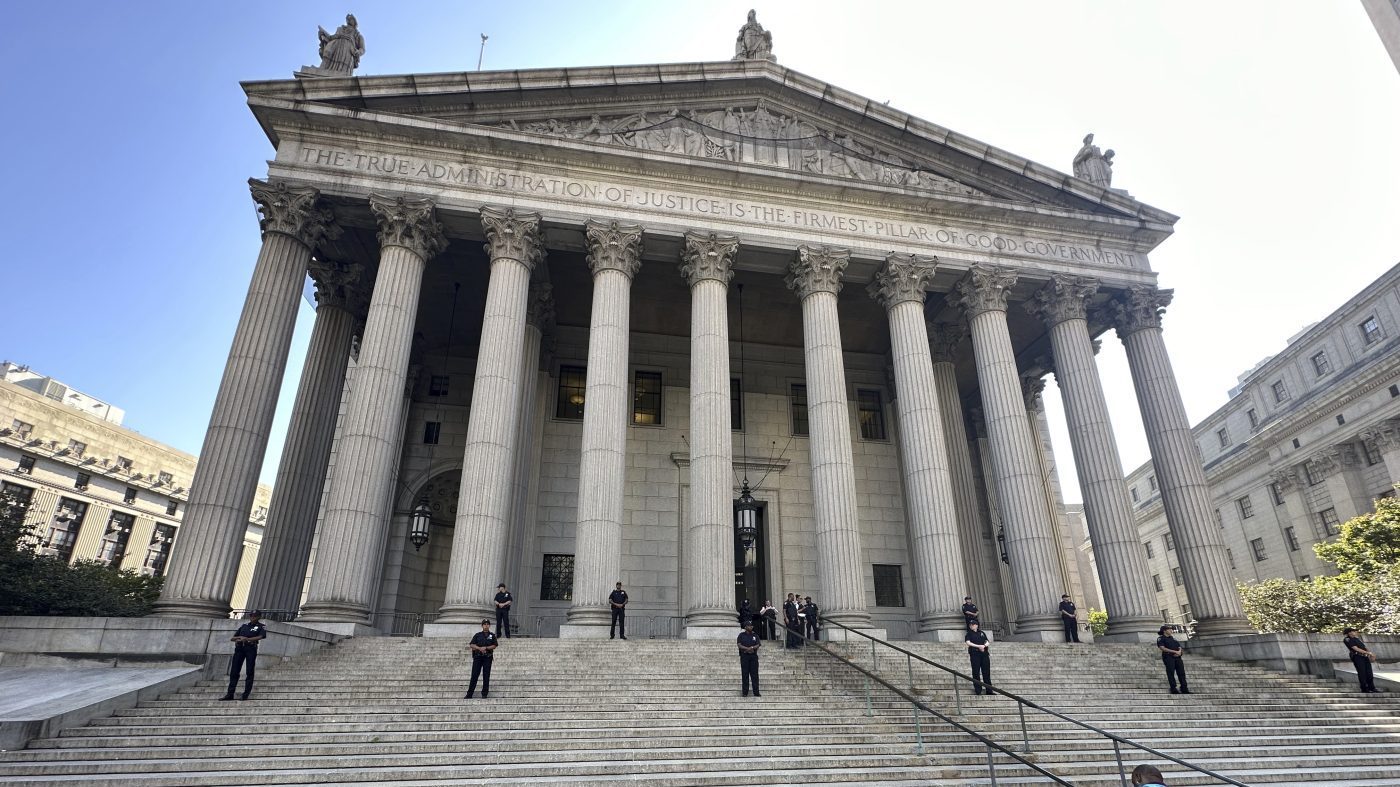
The order will not take effect immediately, as the court has yet to rule on the government's motion for a stay pending appeal. Essayli, who learned of the ruling through the Los Angeles Times, downplayed its impact, stating on X that the order is “stayed and has no immediate effect” and that he remains in charge. He added, “The Supreme Court will ultimately decide this matter.”
The Trump administration appointed Essayli last year in an acting capacity, with former Attorney General Pam Bondi naming him as first assistant U.S. attorney before the 120-day limit expired. Judge Seabright noted that Essayli's appointment was “identical” to that of Sigal Chattah, the administration's pick for Nevada, whom the 9th Circuit Court of Appeals found to be unlawfully appointed. This pattern has sparked multiple legal battles, including challenges to Alina Habba in New Jersey and Lindsey Halligan in Virginia, both of whom were also deemed improperly installed.
Defense attorney H. Dean Steward, who challenged Essayli's authority in August, called the ruling “a victory for the rule of law and the U.S. Constitution.” Steward told the Times, “The Trump administration ignored the laws governing the appointment of U.S. Attorneys and got caught in Los Angeles. Trump and his Department of Justice violated the law again and again in an effort to install minions as chief federal prosecutors.”
Essayli has been at the center of the DOJ's contentious fight with California over allegations that thousands of noncitizens are on state voter rolls. He has described the department's request to counties to identify potential noncitizens as “simple” and warned that election officials who do not comply will be held accountable. His role has made him a key figure in the administration's broader push on election integrity.
The ruling is the latest in a series of setbacks for the administration's strategy of bypassing Senate confirmation for top prosecutor posts. A federal judge in January also ruled that Lindsey Halligan “may not serve” in Virginia, and an appeals court in December rejected Alina Habba's appointment in New Jersey. These cases highlight the legal limits on executive power and the importance of the confirmation process.
As the administration continues to face legal challenges over its appointments, the Justice Department is likely to appeal Seabright's decision. The outcome could have implications for how the federal government handles acting officials and whether the administration can circumvent the Senate's role in confirming U.S. attorneys.