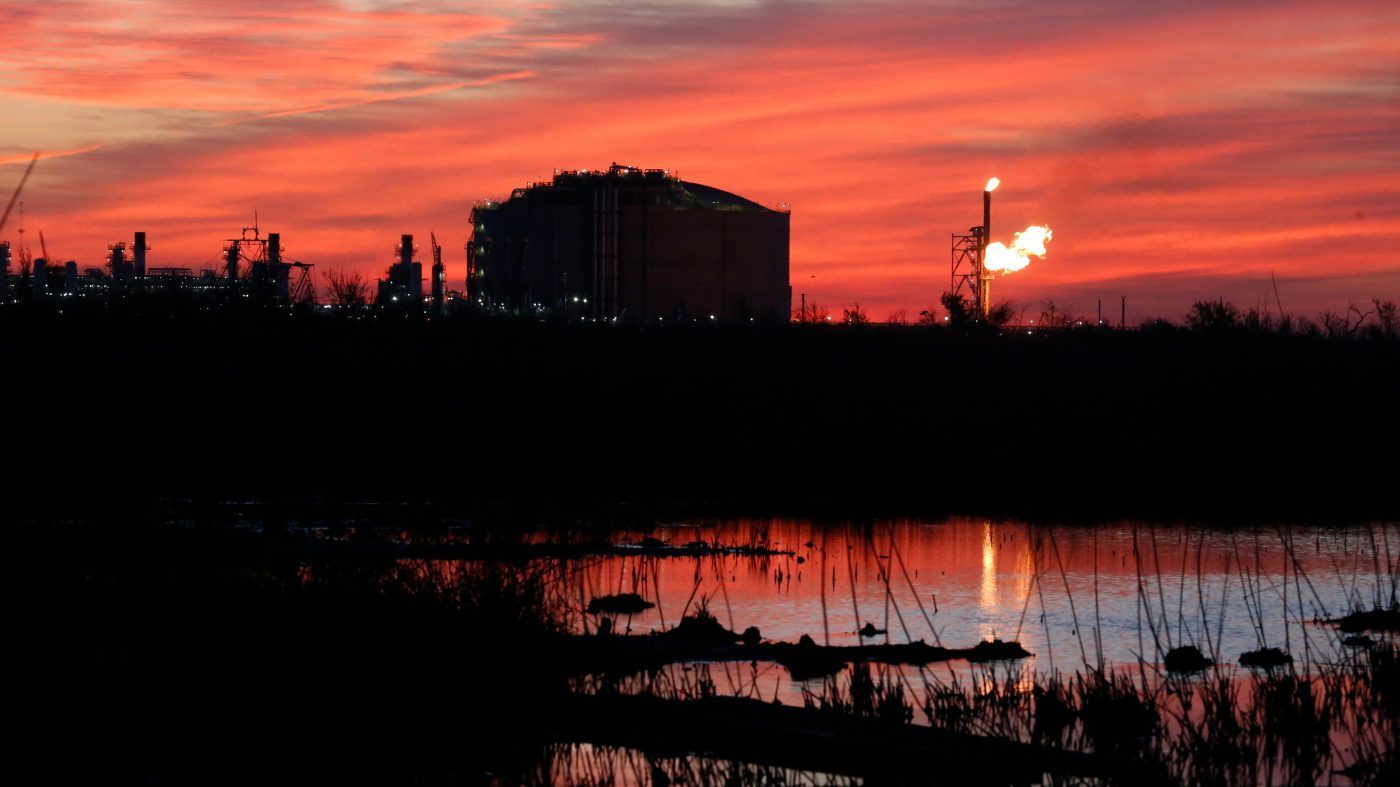
The Federal Energy Regulatory Commission (FERC) has put forward a plan to accelerate the approval process for expanding existing liquefied natural gas (LNG) export terminals, a move that would significantly shorten the public comment and protest windows for such projects.
Under the proposal, unveiled Thursday, FERC would cap the notice and protest periods for LNG terminal expansion requests at either 60 or 90 days, down from the current lengthier timeline. The commission argued this would allow the U.S. to quickly scale up export capacity to meet global demand, particularly from allies in need of energy supplies.
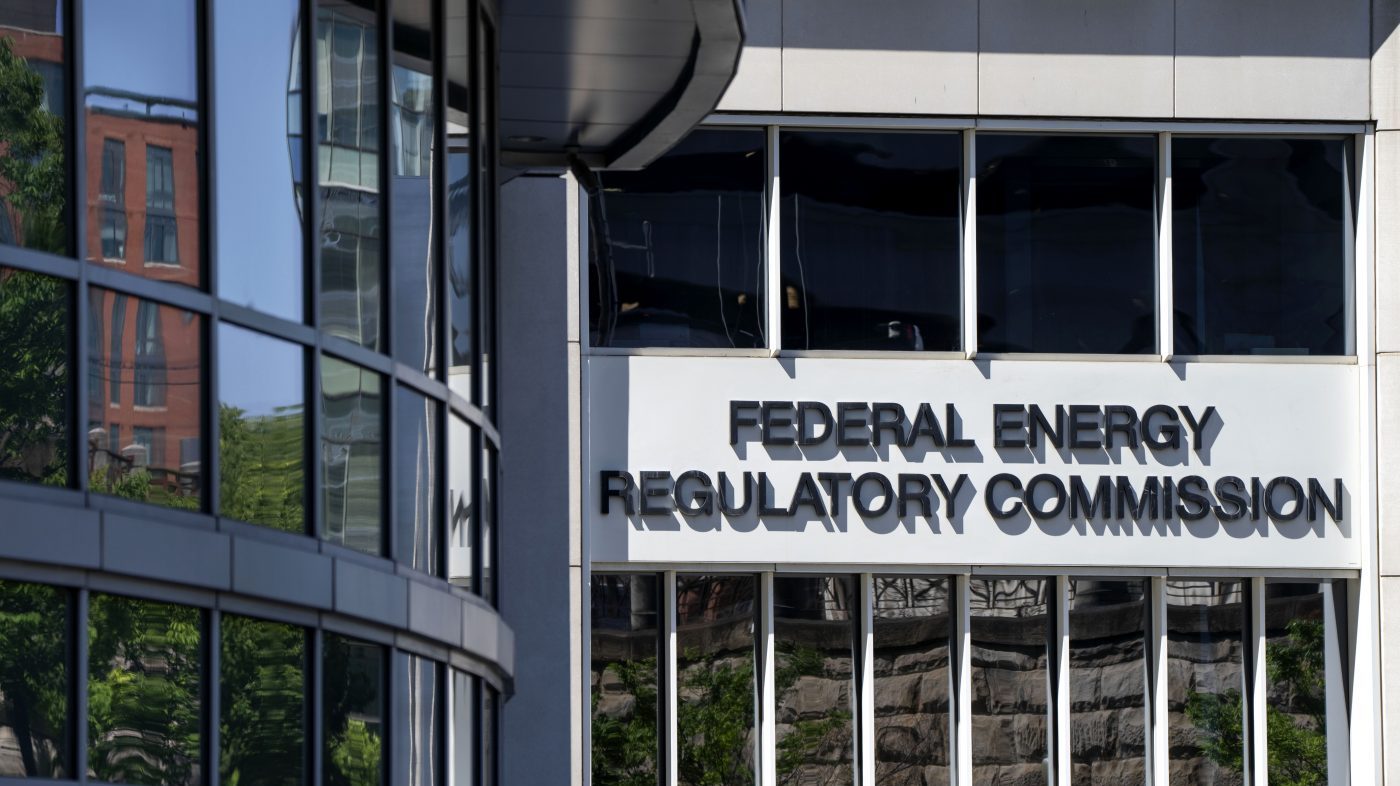
FERC Chair Laura Swett (R) framed the initiative as a strategic necessity. “This will enable the country to scale up its existing facilities more quickly to supply our allies who are in desperate need,” she said, while insisting that “safety and environmental protections” would remain intact.
Beyond the shortened timelines, the commission also proposed eliminating a requirement that gas projects submit air dispersion models as part of the environmental review. These models simulate how a project's emissions would interact with other atmospheric pollutants to assess local air quality impacts. Swett called them “an unnecessary source of confusion, delay, and litigation risk.”
The move drew immediate dissent from Commissioner Judy Chang (D), who argued that air dispersion modeling is “the best tool we have for understanding the likely local and regional air impacts of the projects we permit.” Her objection highlighted the deepening partisan rift over the pace and scrutiny of fossil fuel infrastructure approvals.
Environmental advocates were quick to condemn both proposals. Claire Dorner, associate legislative and advocacy director for the Sierra Club’s “Beyond Dirty Fuels” campaign, said in a statement: “It is unconscionable for FERC to further fast-track harmful LNG development and also cut requirements for gas developers to submit modeling to understand the local air quality impacts of methane gas projects.” She warned that “eroding these guardrails will make our historically high energy prices even worse, increase harm to local ecosystems and communities, and exacerbate the climate crisis.”
The proposal comes as the Trump administration has made expanding U.S. energy exports a cornerstone of its policy agenda, though FERC is technically independent, composed of three Republicans and two Democrats appointed by the president. The commission’s actions align with broader administration efforts to boost fossil fuel infrastructure, even as critics argue they undermine environmental oversight.
The fast-tracking proposal is likely to face legal challenges from environmental groups, which have repeatedly used air quality analyses to block or delay LNG projects. The elimination of these models could remove a key tool for opponents, making it easier for expansions to proceed.
FERC is accepting public comments on the proposal for the next 60 days before voting on final adoption. The outcome will be closely watched by both the energy industry and environmental community, as it could reshape the regulatory landscape for LNG exports at a time of heightened geopolitical tensions over energy supplies.