The Federal Energy Regulatory Commission (FERC) on Thursday unveiled a proposal to fast-track approvals for expanding existing liquefied natural gas (LNG) export terminals, a move that could significantly shorten the timeline for projects aimed at meeting global demand.
The plan would cap the public notice and protest period at either 60 or 90 days, a sharp reduction from the current process that often takes months. FERC Chair Laura Swett, a Republican, framed the initiative as a strategic necessity, saying it would “enable the country to scale up its existing facilities more quickly to supply our allies who are in desperate need.” She also pledged that the changes would still “maintain safety and environmental protections.”
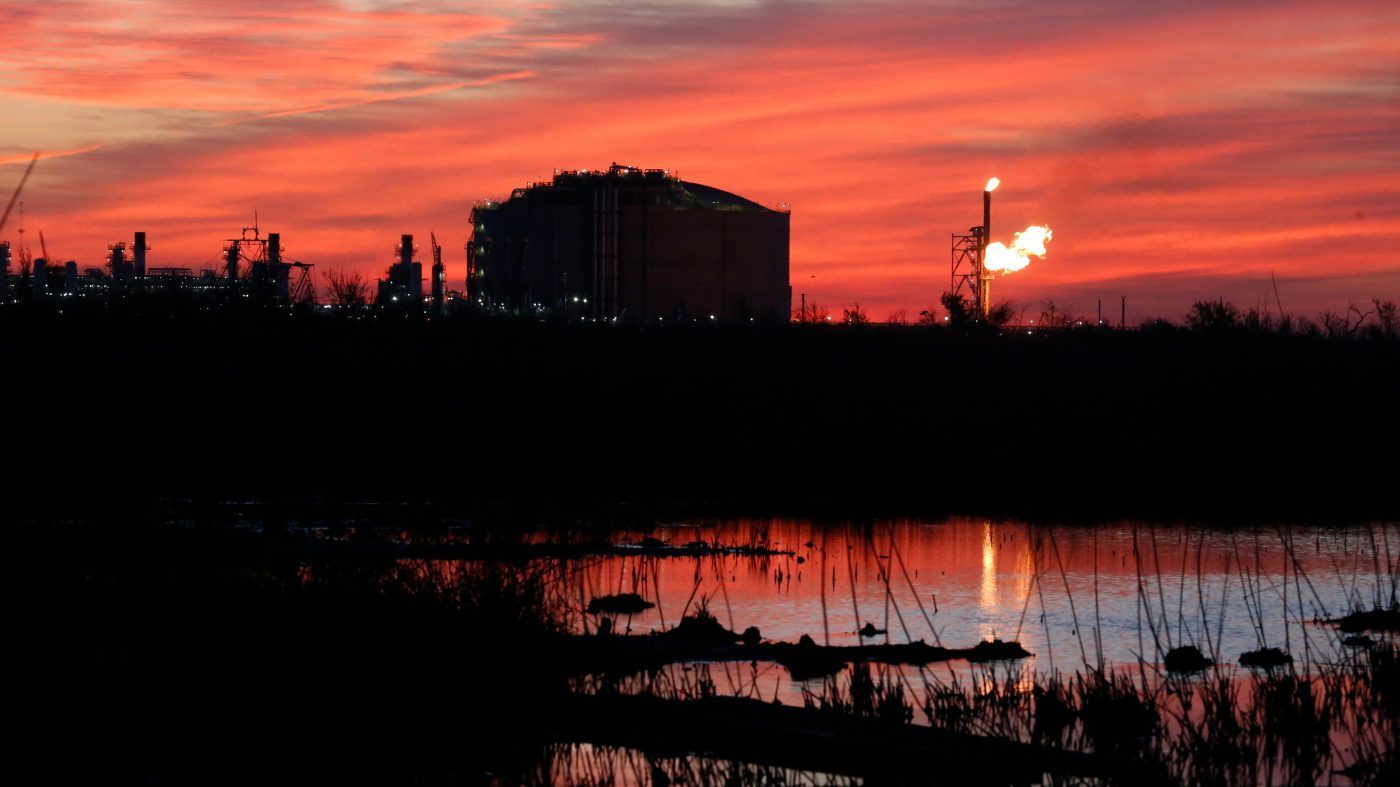
In addition to trimming the comment window, the commission proposed eliminating a key component of the environmental review: the requirement for gas projects to submit air dispersion models. These models simulate how a project’s emissions interact with other pollutants in the atmosphere to assess air quality impacts. Removing them would streamline the review process but has drawn concern from environmental advocates who argue it could weaken oversight.
The proposal arrives amid heightened geopolitical tensions, with the U.S. positioning itself as a major energy supplier to Europe and Asia. The move also aligns with the Trump administration’s broader push to accelerate energy infrastructure projects, including efforts to revisit offshore wind approvals and other regulatory hurdles.
Industry groups have long complained that lengthy permitting processes delay U.S. LNG exports and cede market share to competitors. FERC’s proposed changes could ease those bottlenecks, though they are likely to face legal challenges from environmental organizations that view the air modeling requirement as a critical safeguard.
The commission is expected to take public comment on the proposal before voting on final rules. If adopted, the changes would apply only to expansions of existing terminals, not to new facilities, which would still undergo the full review process.
Swett’s comments underscored the administration’s focus on energy exports as a foreign policy tool, particularly in light of ongoing conflicts in Ukraine and the Middle East. The proposal also dovetails with recent moves by the White House to pressure allies on energy security, even as domestic debates over fossil fuel reliance continue.
Environmental groups are already signaling opposition, arguing that omitting air dispersion modeling could lead to understated pollution impacts in communities near LNG facilities. They are expected to push back during the comment period, setting up a contentious rulemaking process.
For now, the proposal marks a significant step in FERC’s effort to modernize its permitting approach, though the final outcome remains uncertain. The commission will weigh public input before issuing a final rule, which could take months.