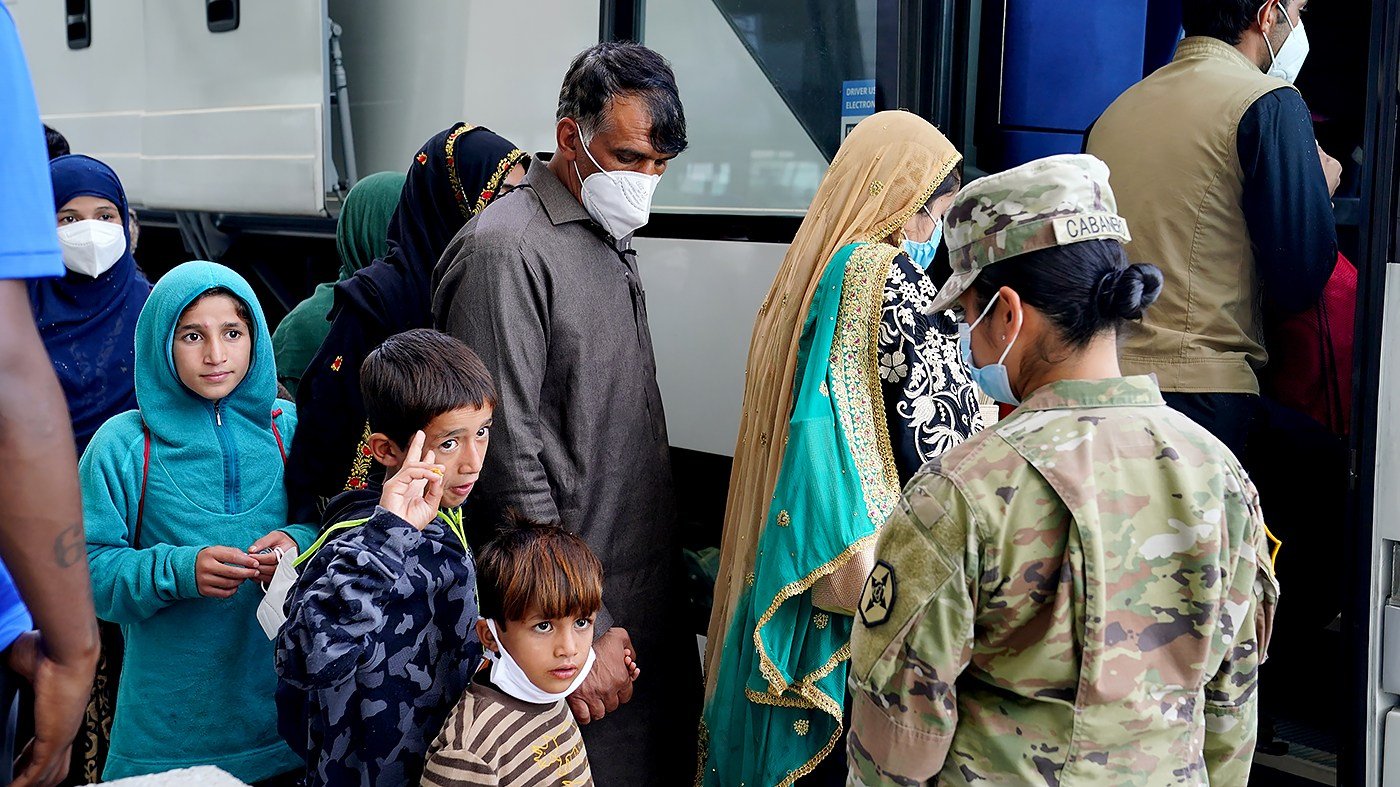
Five years after the chaotic US withdrawal from Afghanistan, the fate of Afghans who fled the Taliban has darkened dramatically. The Trump administration has systematically closed off legal routes to the United States and moved to deport those already here, reversing the wartime commitments that brought tens of thousands of Afghans to American soil.
President Trump’s return to office triggered an immediate crackdown on Afghan immigration. Within weeks, the administration suspended refugee admissions for nearly all nationalities—except white South Africans—and placed Afghanistan on a revised travel ban that bars most Afghans from obtaining tourist visas. A second, broader travel ban stripped the narrow exceptions that had allowed Afghan Special Immigrant Visa (SIV) holders to be processed, effectively killing the program that was the main lifeline for Afghans who worked alongside US forces.
The administration also suspended immigrant visa processing for citizens of 75 countries, including Afghanistan, cutting off family reunification routes. Although a federal judge vacated that policy last weekend, the State Department on Tuesday paused immigrant visa appointments worldwide for “in-depth training,” a move advocates say is designed to slow or stop Afghan arrivals under the guise of screening for public-charge risks.
For Afghans already in the US, the ground is shifting under their feet. The Department of Homeland Security has moved to terminate Temporary Protected Status (TPS) for Afghans, a designation that shielded more than 8,000 people from deportation. The administration has also begun reviewing and revoking SIVs granted to Afghans who served as interpreters, special operations partners, and embassy staff. Many have received letters warning that the basis for their status has been called into question.
“As we take stock of whether the U.S. has lived up to its obligations and promises to the Afghans who worked and served alongside American military personnel and partners, often at great personal risk, the answer is a resounding no,” said Sharif Aly, president of the International Refugee Assistance Project. “The Trump administration has closed virtually all pathways for Afghans to receive visas or enter the U.S., even as there are over 5 million Afghans currently displaced all over the world.”
Advocates and veterans who served in Afghanistan describe a deliberate policy shift, not a logistical failure. “Five years ago, this was a crisis. Everything was on fire, nobody had a plan, and the failures were failures of capacity. That is not what this is anymore,” said Shawn VanDiver, president of #AfghanEvac. “Today it is not a crisis. It is a deliberate choice, grounded in policy this government has not had the courage to verbalize or brief.”
The human toll is severe. The Taliban have reimposed strict controls, barring women from most public life and education. Afghans who managed to reach the US now live in a state of limbo. TPS was the safety net for many, but with it gone, they face an uncertain future. “People who went through the steps to secure it really felt like it was a backstop for them,” said Joseph Azam, board chair of the Afghan-American Foundation. “With that being gone, I think people feel like they’re walking a tightrope without a net, and that’s really scary.”
Immigration attorneys working pro bono say they are overwhelmed with desperate clients. “We find ourselves facing difficult conversations every day, explaining to our clients and our friends and family that there is little that we can do as attorneys,” said Laila Ayub, co-founder of the Afghan Network for Advocacy and Resources. Even when lawsuits pause or limit some administration actions, she said, “there’s little that we can do when they’re facing delays with their green cards or asylum, and even less.”
The administration’s actions come against a backdrop of broader immigration enforcement, including a travel ban that has been challenged in court. The Justice Department has argued that the president has broad authority to set immigration policy, a stance that advocates fear will leave Afghans with no legal recourse. As the anniversary of the withdrawal passes, the gap between the promises made to Afghan allies and the reality they face grows ever wider.