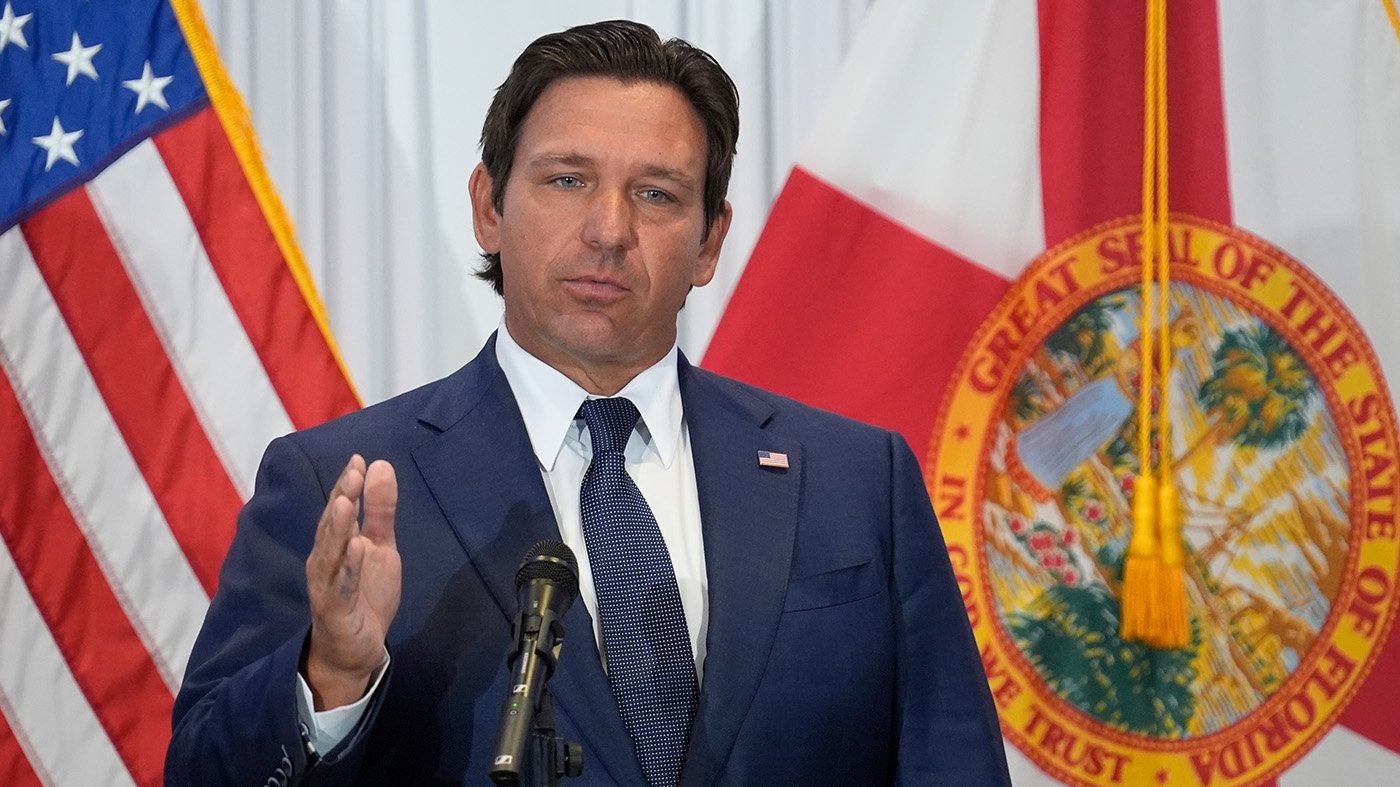
Florida Governor Ron DeSantis signed legislation on Monday that establishes a state-level process for designating domestic terrorist organizations and authorizes the expulsion of public university students accused of supporting them. The law, which takes effect July 1, represents a significant expansion of state executive power over campus activities and national security designations traditionally handled at the federal level.
New Authority Over Campus Organizations
The legislation empowers the chief of domestic security within the Florida Department of Law Enforcement to recommend domestic terror designations directly to the governor and his cabinet. Following a seven-day review period after written notice, the governor and cabinet can vote to approve or deny the label. Once approved, the designation must be published in the Florida Administrative Register within a week.

Student organizations at Florida's public universities face particular scrutiny under the new statute. Groups receiving the domestic terrorism designation risk immediate dissolution and loss of all state funding. Furthermore, the law mandates that state universities expel students accused of "promoting" any group classified as a foreign or domestic terrorist organization and report their visa statuses to authorities.
Constitutional Challenges and Precedent
This legislation follows previous executive actions by DeSantis that have faced judicial pushback. Last year, the governor issued an executive order designating the Council on American-Islamic Relations (CAIR) and the Muslim Brotherhood as foreign terrorist organizations. CAIR's Florida chapter challenged the order in court, resulting in U.S. District Judge Mark Walker issuing a preliminary injunction in March.
Judge Walker's ruling explicitly cited First Amendment concerns, stating that "the First Amendment bars the Governor from continuing the troubling trend of using an effective office to make a political statement at the expense of others' constitutional rights." This legal precedent suggests the new law may face similar constitutional challenges regarding free speech and association rights on campus.
DeSantis defended the legislation in a Monday press release, arguing that "to uphold the rule of law, our state must operate under one legal system, the Constitution must remain the law of the land, and we must defend our institutions from those who would harm us—especially terrorist organizations that seek to infiltrate and subvert our education system."
Broader Political Context
The law represents the latest in a series of Florida government actions targeting perceived security threats, particularly following increased national focus on defense and security spending. It also aligns with broader conservative efforts to reshape campus dynamics, similar to recent actions against diversity initiatives in professional organizations.
Penalties under the new statute extend beyond campus implications. Designated organizations face bans on public funding and support, while individuals providing "material support" to these groups could face criminal penalties. The legislation emerges amid shifting political dynamics in Florida, where recent Democratic gains have prompted intensified policy actions from the Republican-controlled state government.
Legal experts anticipate immediate challenges to the law's constitutionality, particularly regarding its potential chilling effect on political speech and association at public universities. The legislation's implementation will be closely watched as it intersects with ongoing debates about campus free speech, executive authority, and the balance between security and civil liberties.