Florida's dengue fever outbreak continues to expand, with new counties reporting cases and the statewide total now exceeding 400. According to the latest data, 425 locally acquired dengue infections have been confirmed since the start of the year, marking a significant public health concern for the state.
Pinellas County has emerged as a new hotspot, with health officials reporting a sharp increase in cases there. The county, which includes St. Petersburg and Clearwater, has seen a surge in recent weeks, adding to the state's growing tally. Hillsborough County, home to Tampa, still accounts for the majority of infections, but the spread to neighboring and other regions underscores the outbreak's persistence.

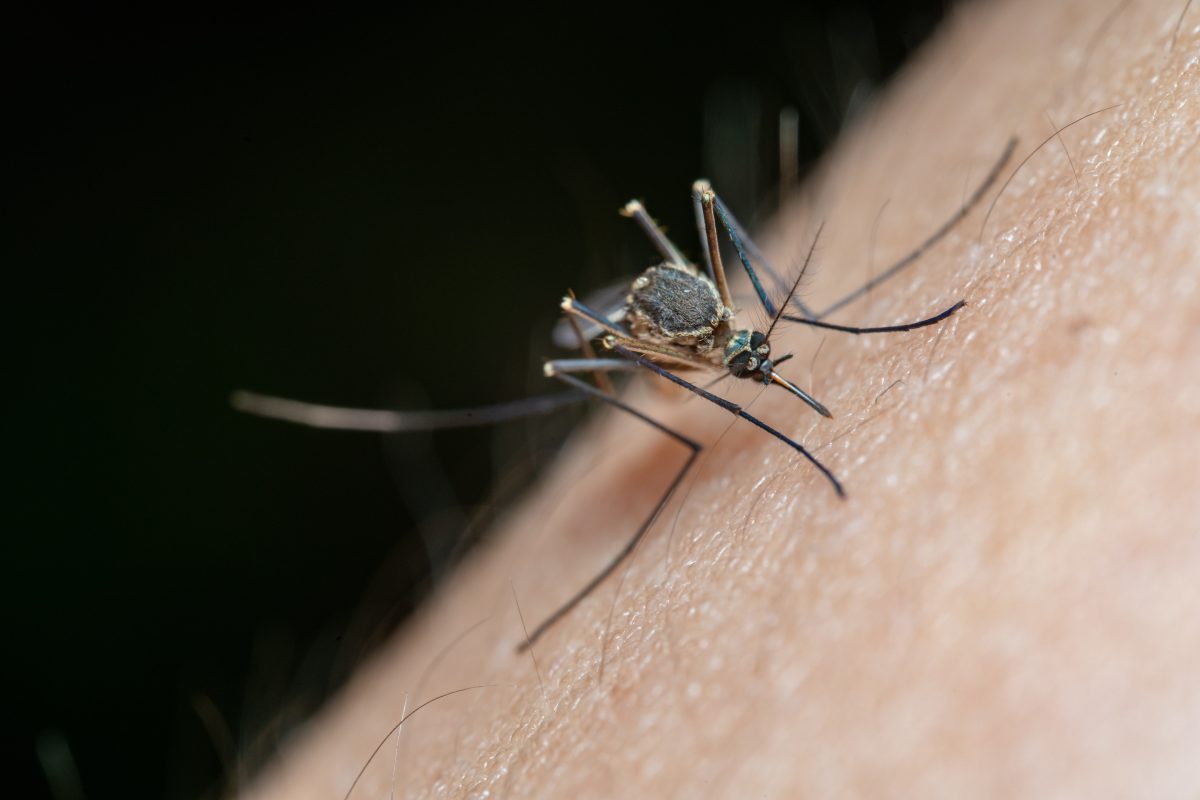
The Florida Department of Health has been monitoring the situation closely, urging residents and visitors to take precautions against mosquito bites. Dengue fever, transmitted by Aedes mosquitoes, can cause severe flu-like symptoms, and in rare cases, can develop into a more serious hemorrhagic form.
The outbreak has drawn attention from state and local leaders, who are balancing public health messaging with other pressing issues. As Florida's midterm political battles heat up, the state's response to the dengue outbreak may become a point of discussion, particularly regarding resource allocation and preparedness.
Rising Case Counts and Geographic Spread
Since January, the number of locally acquired dengue cases has climbed steadily, with the latest count of 425 representing a notable milestone. Just last month, the total was below 400, indicating a rapid acceleration in transmission. The expansion into new counties is particularly worrying, as it suggests the mosquito vectors are active across a wider area.
Health experts point to a combination of factors, including warmer temperatures, increased rainfall, and standing water, which create ideal breeding conditions for mosquitoes. Climate change has been linked to the northward expansion of Aedes mosquitoes, and Florida's subtropical climate makes it especially vulnerable.
Residents in affected areas are advised to eliminate standing water, use insect repellent, and wear protective clothing, especially during dawn and dusk when mosquitoes are most active. Local governments have stepped up spraying efforts, but the sheer scale of the outbreak poses challenges.
Public Health Response and Implications
The Florida Department of Health has issued advisories and is working with county health departments to track cases and implement control measures. However, the ongoing outbreak has strained resources, and some officials are calling for a more coordinated statewide response.
This health crisis comes amid other national public health challenges, including a measles outbreak that has reached 4,410 cases, highlighting the broader need for robust disease surveillance and prevention. The dengue situation in Florida also intersects with policy debates over healthcare funding and emergency preparedness.
For now, the focus remains on containing the spread and protecting vulnerable populations. The elderly, young children, and those with underlying health conditions are at higher risk for severe dengue, and hospitals in affected counties are on alert for an influx of patients.
As the outbreak continues into the summer months—peak mosquito season—officials expect case numbers to rise further. The state's ability to manage the situation will be closely watched, not only by health experts but also by residents who are increasingly concerned about the risks.
In the meantime, the state's legal and regulatory landscape remains active, but the immediate priority for many Floridians is safeguarding their health against a disease that has already affected hundreds.
The coming weeks will be critical in determining whether the outbreak peaks or continues to spread. Public health officials are urging vigilance, and the state is mobilizing resources to combat the mosquitoes that carry the virus.