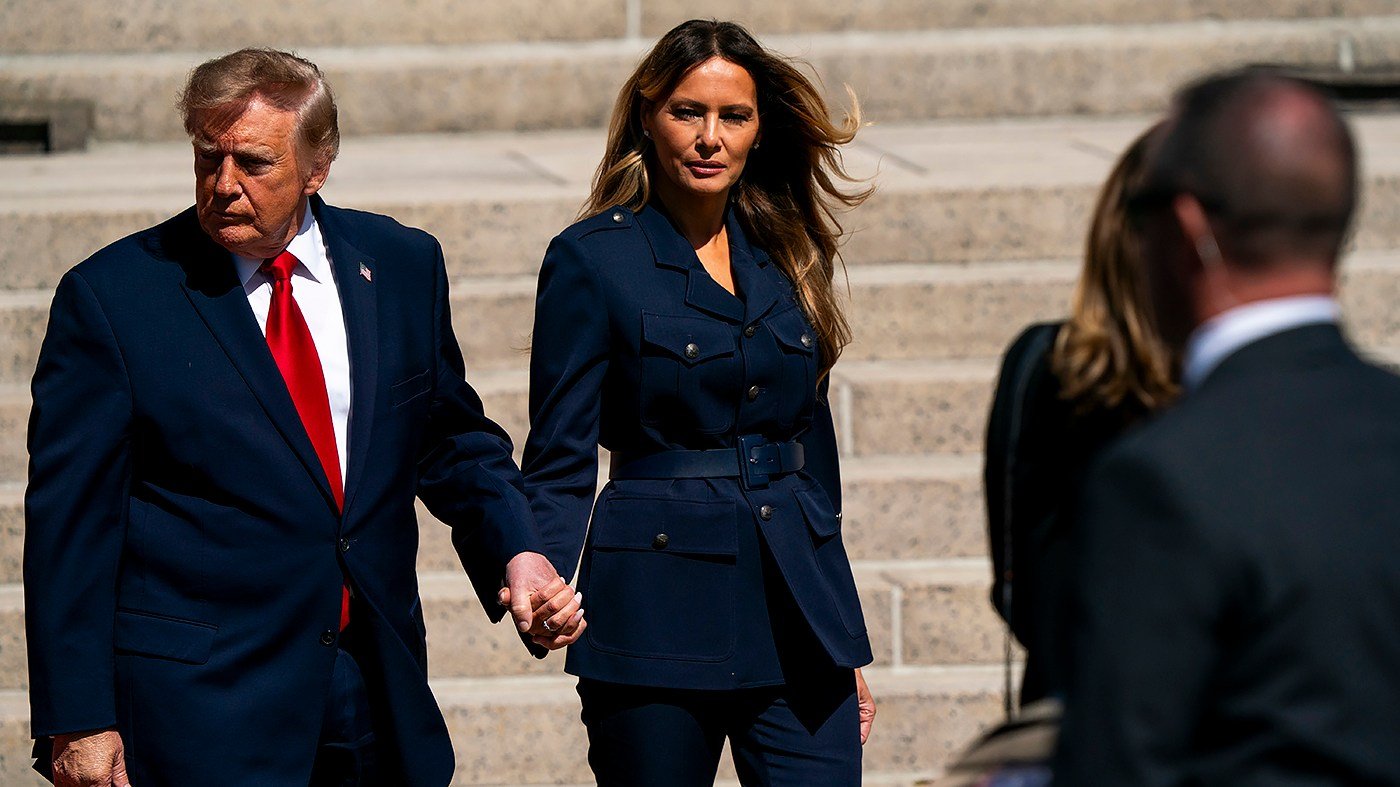
First lady Melania Trump has brokered a localized ceasefire between Russian and Ukrainian forces in the embattled city of Oleshky, according to a White House statement released Friday morning. The agreement, which takes effect Thursday, halts all military operations in the city to permit humanitarian deliveries and establish a safe corridor for civilian evacuations.
In the statement, Melania Trump described the situation in Oleshky as "dire," noting that the remaining residents are primarily elderly and in urgent need of medical care, food, and clean water. "It was abundantly clear that without my intervention, the possibility to bring humanitarian aid into the city and to evacuate the elderly would be impossible," she said.
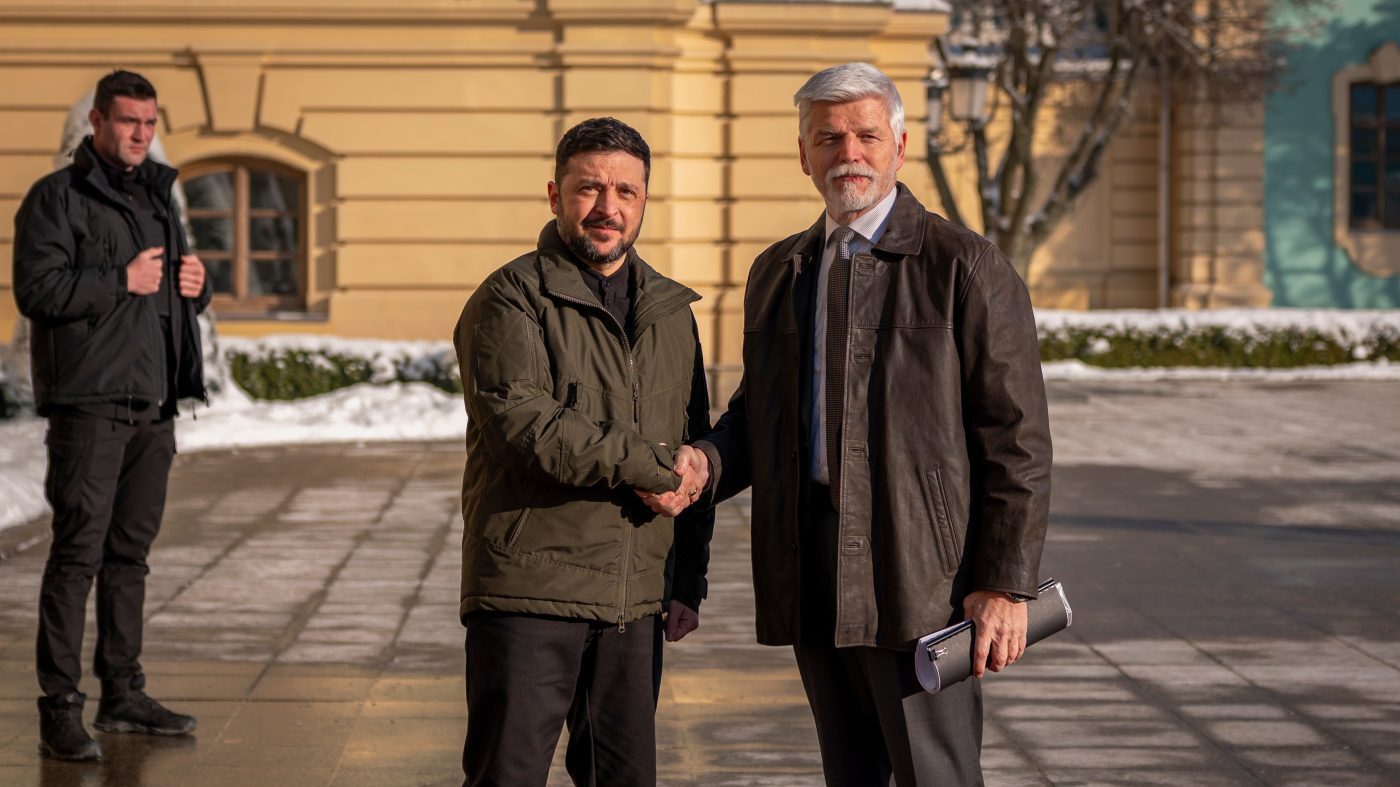
The Ukrainian Embassy confirmed the ceasefire to The Hill, though details on enforcement and duration remain unclear. The embassy had earlier co-hosted a briefing with Norway on Tuesday, highlighting the catastrophic conditions in Oleshky. According to their post on X, about 2,000 residents remain, including 35 children, and they have endured years without electricity, gas, or running water. No food has been officially delivered since May 26, 2026, and the only supply route crosses mined territory under shelling.
Under the ceasefire, non-military civilian leaders from both Ukraine and Russia will jointly visit residents' homes to assess needs. Those wishing to evacuate will receive coordinated support and transportation to their preferred destination. "I anticipate some will want to go to Russia, and some to Ukraine," the first lady said.
Oleshky, located in Ukraine's southern Kherson Oblast on the east bank of the Dnieper River, had a prewar population of roughly 24,000. After Ukraine liberated western Kherson Oblast in November 2022, the city became a front-line hotspot, according to the Institute for the Study of War. Most residents have since fled, leaving only about 1,700 to 2,000 people behind.
The development marks a rare diplomatic breakthrough in a conflict that has seen little progress toward broader peace talks. It also underscores the unconventional role the first lady has played in foreign policy, a move that aligns with the administration's broader efforts to position itself as a peace broker. The White House has not indicated whether this localized deal could serve as a template for other front-line areas.
The ceasefire comes amid ongoing debates in Washington over continued support for Ukraine, with some GOP lawmakers seeking to impose checks on defense contractors like SpaceX, which has been central to Ukraine's communications infrastructure. The localized nature of the agreement may offer a pragmatic path forward, but analysts caution that without broader political will, such deals remain fragile.
As the situation in Oleshky evolves, the international community will watch closely to see whether this humanitarian pause holds and whether it can be replicated elsewhere. For now, the first lady's office has framed the ceasefire as a testament to the power of direct engagement, even at the highest levels of government.