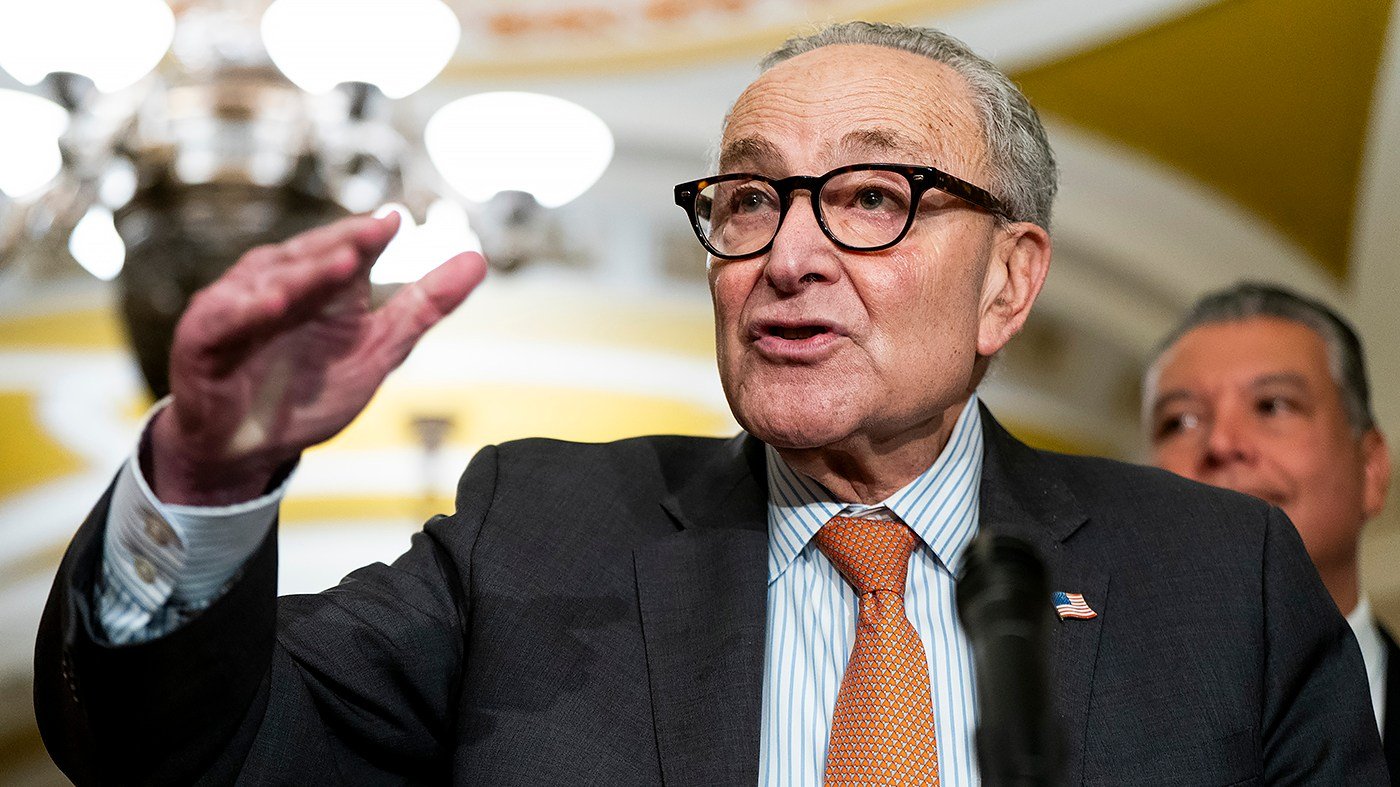
Democrats have opened a commanding lead among Generation Z voters ahead of the 2026 midterms, a sharp reversal from 2024 when President Trump carried the youth vote. A New York Times/Siena College poll from September shows Democrats ahead by 35 points among 18-to-29-year-olds, driven largely by persistent concerns over affordability and the cost of living.
Political strategist Rina Shah, founder of Vental Strategic Advisory Group, says the numbers are unmistakable. “Gen Z is leaning hard Democratic, and a lot of that is tied to the White House and how chaotic the cost-of-living picture still feels,” she said. Shah argues Republicans need to offer a clearer economic mobility message, one that treats young voters as persuadable rather than lost.
The party’s struggles are compounded by a slate of young Democratic candidates who resonate with younger audiences. Sen. Jon Ossoff of Georgia, 39, is seeking reelection, while Texas Senate nominee James Talarico, 37, and Michigan’s Abdul El-Sayed, 41, are running competitive races. Shah says these three are “effective for very different reasons, and Republicans should pay attention instead of dismissing them.”
Yemisi Egbewole, a former Biden White House adviser, calls the Democratic bench a “blessing” of relatable rising stars. But he also sees potential on the GOP side, pointing to Rep. Brandon Gill of Texas and Florida gubernatorial candidate Byron Donalds as Republicans who are already engaging young voters with modern campaign tactics.
Egbewole warns that the GOP underestimates the appeal of socialist ideas among young people at its own peril. “If the GOP thinks that socialism and its temptations are just a far left issue, they’re going to be very, very surprised when more young people start looking at socialism as the alternative to the life that they were promised,” he said.
Housing and overall affordability are top concerns for young voters, but Rachel Janfaza, founder of Gen Z-focused firm The Up and Up, says their priorities aren’t radically different from older generations. “Young people don’t want to be talked down to, they don’t want to feel like politicians are pandering for their votes,” she said. Janfaza adds that Trump’s dismissiveness about affordability “rubs the wrong way” because the problem is very real for them.
The gender gap among young congressional candidates is also drawing attention. Millennials and Gen Z make up a third of candidates, but men outnumber women three-to-one, with the disparity widest among Gen Z, where over 80% of candidates are male, according to Future Caucus. CEO Layla Zaidane cites political violence and institutional barriers as key factors, noting that hostility and aggression in politics are often targeted at women more than men.
Zaidane also highlights structural hurdles like low pay and lack of family-friendly facilities in state capitols. She points to Rep. Brittany Pettersen (D-Colo.), who pushed for proxy voting for new parents alongside Rep. Anna Paulina Luna (R-Fla.), as an example of the challenges young women in politics face. “It’s not hard to imagine if you’re a Gen Z young woman, considering if you want to put yourself or potentially your family through that, that it just doesn’t seem like the juice is worth the squeeze,” she added.
As the midterms approach, the GOP faces a critical test: can it win back a generation that swung to Trump just two years ago? Strategists say the answer lies in authentic messaging on costs and opportunity, not just flashy digital outreach. The party’s ability to close the gap may hinge on whether it can convince young voters that it has real solutions, not just promises.