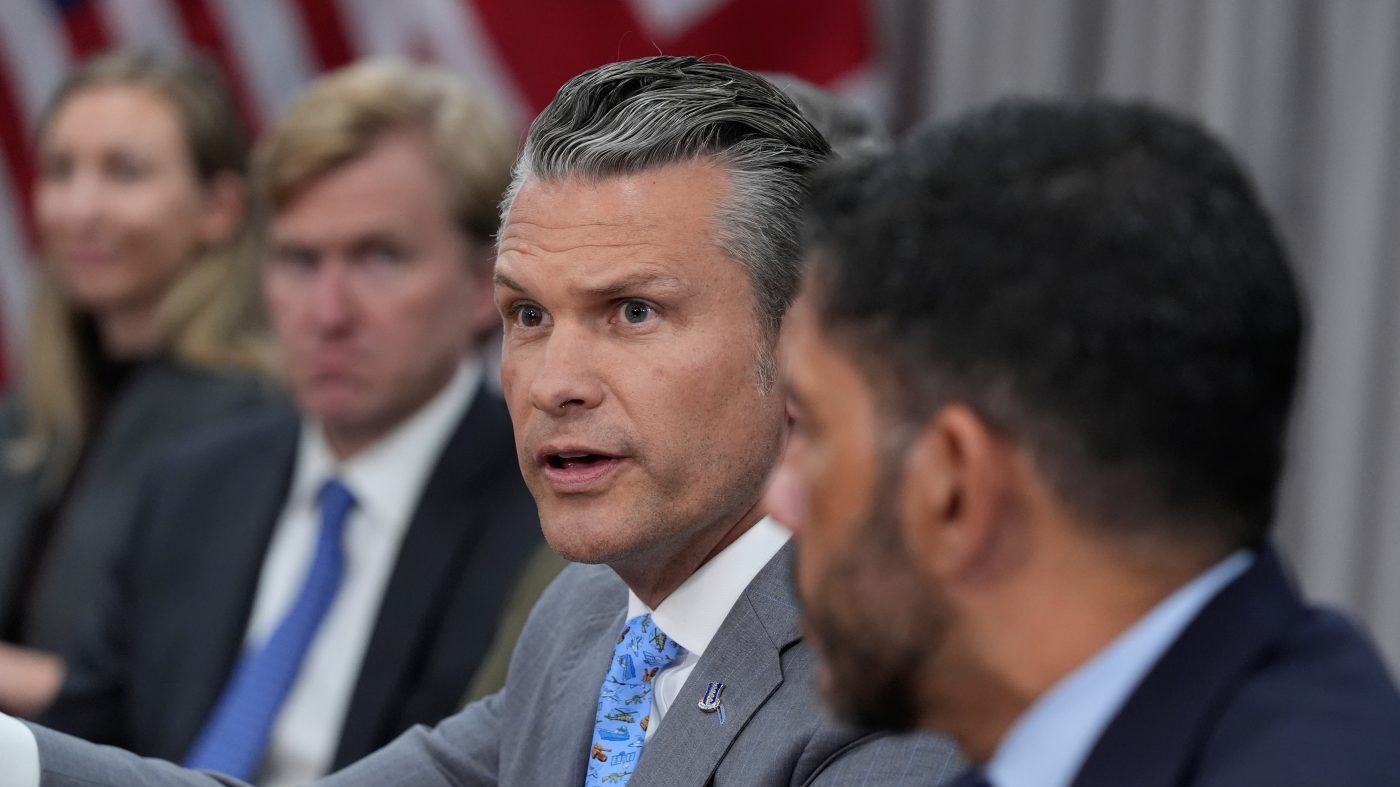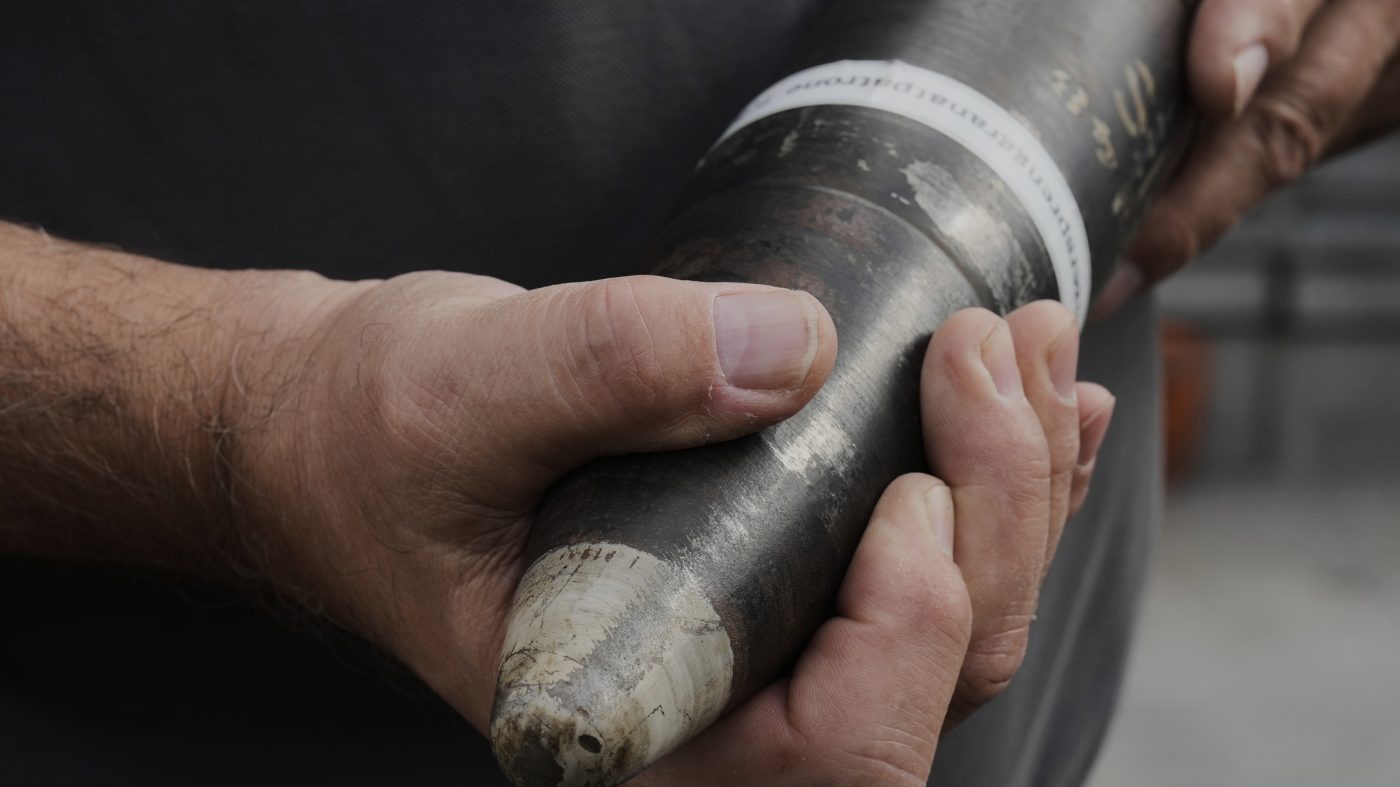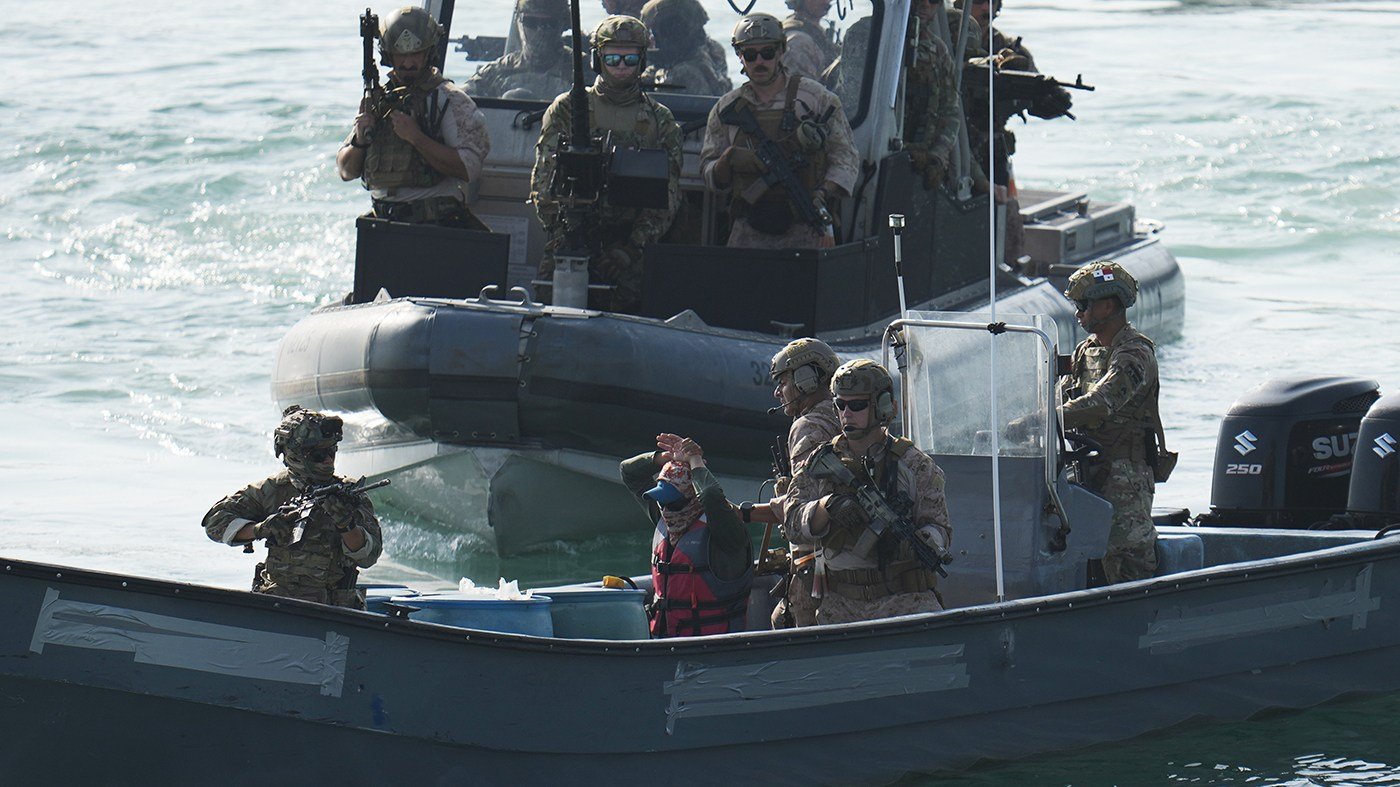
The Pentagon is dispatching nearly 200 Army soldiers from Fort Drum, New York, to Panama for jungle warfare training, a move that underscores Defense Secretary Pete Hegseth's intensifying military campaign against drug cartels in Latin America.
The troops will undergo a multiweek course at a jungle training facility in the Central American nation, focusing on survival and combat tactics. According to a U.S. official speaking on condition of anonymity, the training will not include counter-narcotics operations. After completing the course, the soldiers will return to the United States, though they may also participate in joint exercises with Honduran, Colombian, and Guatemalan forces.
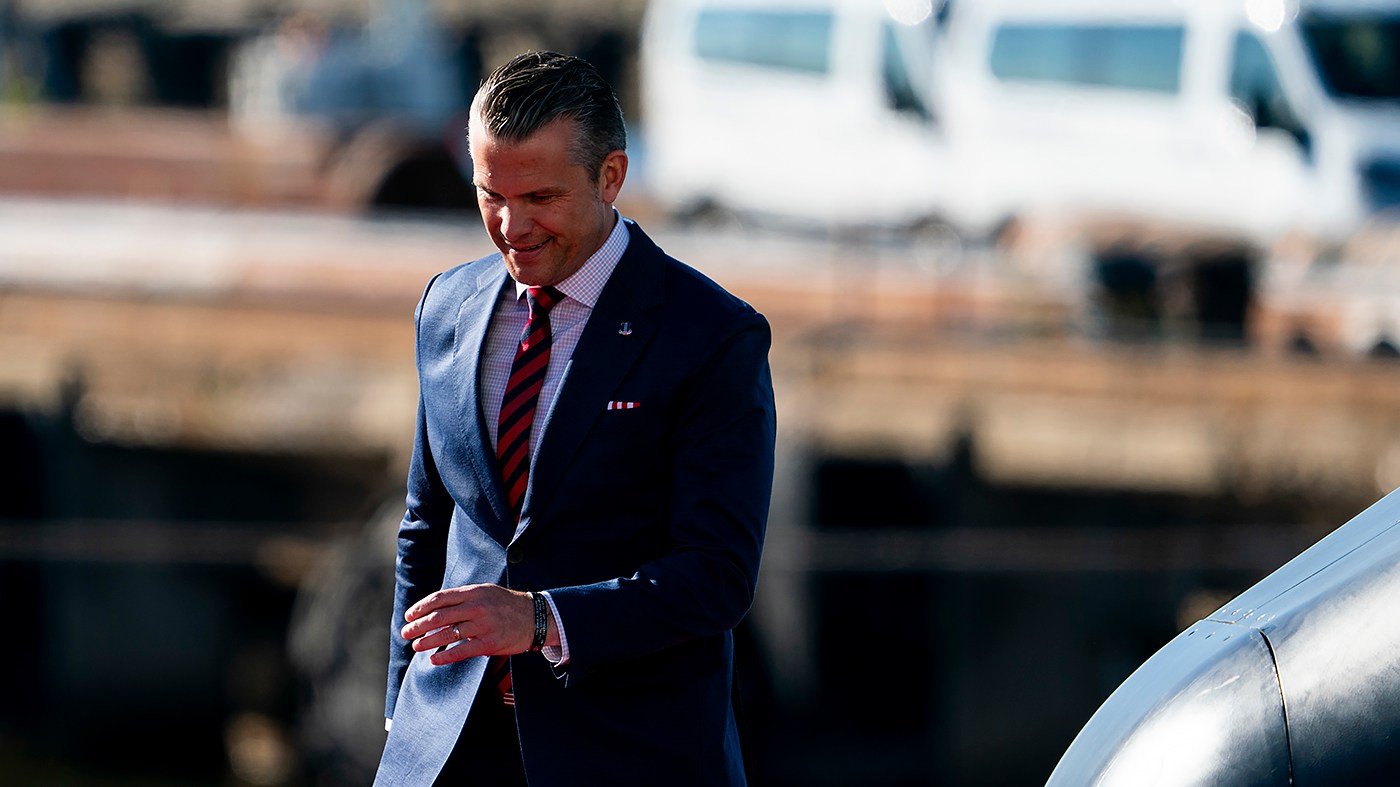
The U.S. Southern Command (Southcom), which oversees military operations in the region, declined to comment. However, a Pentagon official, responding to inquiries, described the Bilateral Jungle Operations Training as part of the Americas Counter Cartel Coalition (A3C), emphasizing "collaboration, complementary capabilities and persistent engagement with allies and partners."
"This sharpens the capabilities of U.S. and partner nation troops in harsh jungle environments like the remote areas in which cartels hide," the official said. "These activities reflect the ongoing A3C approach of working with capable allies and partners to deepen collaboration and maintain persistent pressure against hemispheric threat networks."
The official added that, for operational security reasons, the Pentagon does not disclose specific force posture, movement timelines, or mission details.
The revival of jungle warfare training with Panamanian forces began last fall, marking the first such exercises in over two decades. Held at Base Aeronaval Cristóbal Colón, formerly Fort Sherman, the training involves weapons drills and survival skills such as water purification, navigation through dense vegetation, and shelter construction. Participants have included Army, Marine Corps, Air Force, and Space Force personnel.
Army Maj. Cody McBroom, speaking during the initial training, highlighted the interoperability aspect: "We're really looking at this as that interoperability training, where both of us are growing in our knowledge down here. So as we ramp this up, and obviously it's what we can support, what they can support to make sure it's mutually benefiting for both of us."
Lee Schlenker, a research associate with the Global South program at the Quincy Institute for Responsible Statecraft, acknowledged the administration's focus on Latin America but warned of potential pitfalls. "While the administration is right to focus on its near abroad and provide regional governments with support to tackle pressing security challenges, surging troop deployments without proper Congressional authorization or a clearly stated legal rationale risks leading us into an interminable war against a shifting set of targets with no clear entry or exit strategy," he said.
Schlenker also argued that such efforts could do "remarkably little to address the drivers of the drug trade," which he identified as "surging demand, public corruption, lack of formal employment and deficient judicial and law enforcement institutions."
The deployment was first reported by The New York Times, which claimed 600 troops were involved. The U.S. embassy in Panama pushed back, calling that figure "categorically false." The embassy clarified that 120 service members from the 10th Mountain Division, based at Fort Drum, are participating in a two-week jungle warfare course, with a return date of Oct. 25. Other service members will join regional exercises, including Southern Vanguard, an annual Southcom-sponsored drill in Peru.
Last month, U.S. soldiers trained alongside Peruvian and Chilean forces during Southern Vanguard. The latest deployments come as the Pentagon expands its multi-front war on cartels, including strikes on suspected drug boats in the Caribbean and Eastern Pacific, which have drawn criticism from Democratic lawmakers and law-of-war experts who call them summary executions. The military has also begun interdicting larger refueling vessels off Ecuador's coast and embedding with Ecuadorian authorities in raids against traffickers, a new dimension in Southcom's campaign against groups designated as foreign terrorist organizations.
Southcom Commander Gen. Francis L. Donovan recently outlined the strategy: "Based on our assessment of what needs to be done, this plan focuses on five core lines of effort: dismantling illicit networks, attacking network logistics, preventing adversary regeneration, bolstering partner sovereignty and security, and building a strong coalition."