Back in college, my best professor was obsessed with the French sociologist Emile Durkheim, who argued that humans form moral communities around shared values and rituals. He also believed modern society had permanently altered those bonds, opening the door for what he called the “free development of individual variations.”
So what would hold society together? Durkheim’s answer was individualism itself—a paradox where collective solidarity depends on everyone believing in personal liberty.
We don’t live in that world anymore.
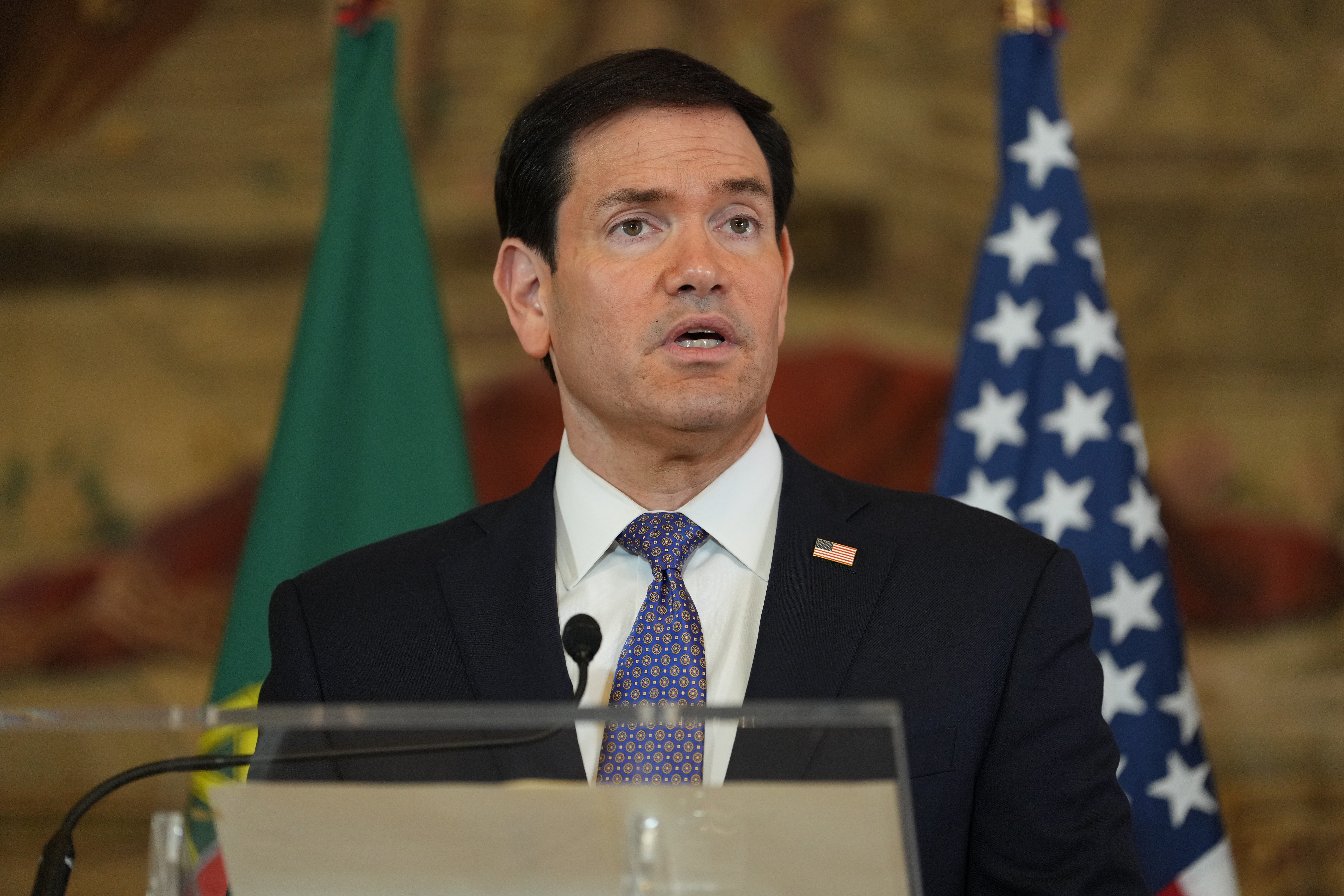
That’s the only way to make sense of the recent controversy involving three San Francisco Giants players who wore a Biblical verse on their caps during the team’s Pride Night. Critics on the left labeled them homophobes. Conservatives, in turn, accused the league of religious discrimination.
Major League Baseball warned the players they had violated rules against political expressions on uniforms. The Trump administration then announced it would investigate MLB for potential violations of the Civil Rights Act. Assistant U.S. Attorney General Harmeet Dhillon pointed out that other players had been allowed to wear patches supporting Black Lives Matter, calling the ban on Bible verses a “double standard.”
This isn’t just a sports story—it’s a political litmus test. The same conservatives who once cheered when Colin Kaepernick was effectively blackballed by the NFL for kneeling during the National Anthem to protest police brutality are now rallying behind players who say they were silenced for their faith. Meanwhile, many liberals who defended Kaepernick’s right to protest are now condemning the Giants players for expressing religious views on a night celebrating LGBTQ inclusion.
The double standards cut both ways. The left, which champions free expression when it aligns with progressive causes, quickly condemned the Bible verse as hate speech. The right, which often calls for keeping politics out of sports, suddenly demands the players be allowed to make a political statement. For more on how political messaging plays out in sports and beyond, check out our coverage of the GOP’s midterm strategy on anti-fraud messaging.
This episode also echoes broader cultural battles over what symbols are allowed in public life. The Trump administration’s decision to investigate MLB mirrors its broader push to police what it sees as anti-religious bias, including its recent order to remove dozens of displays from national parks that it claimed “disparage Americans.” That order, and a subsequent court ruling to restore some of those displays, highlights how these fights are becoming routine.
At its core, the Giants Pride Night controversy is a reminder that both sides of the political spectrum apply their principles selectively. The left’s commitment to inclusion often stops at religious expression, while the right’s defense of tradition can conveniently ignore the rights of athletes like Kaepernick. For a deeper look at how these double standards play out in political campaigns, see our analysis of the media’s double standard exposed by a Maine Senate candidate.
Ultimately, the question Durkheim posed remains unanswered: Can a society built on individualism survive when each group demands its own exceptions to the rule? The Giants’ Pride Night suggests the answer is no—at least not without constant conflict over who gets to speak and what they’re allowed to say.