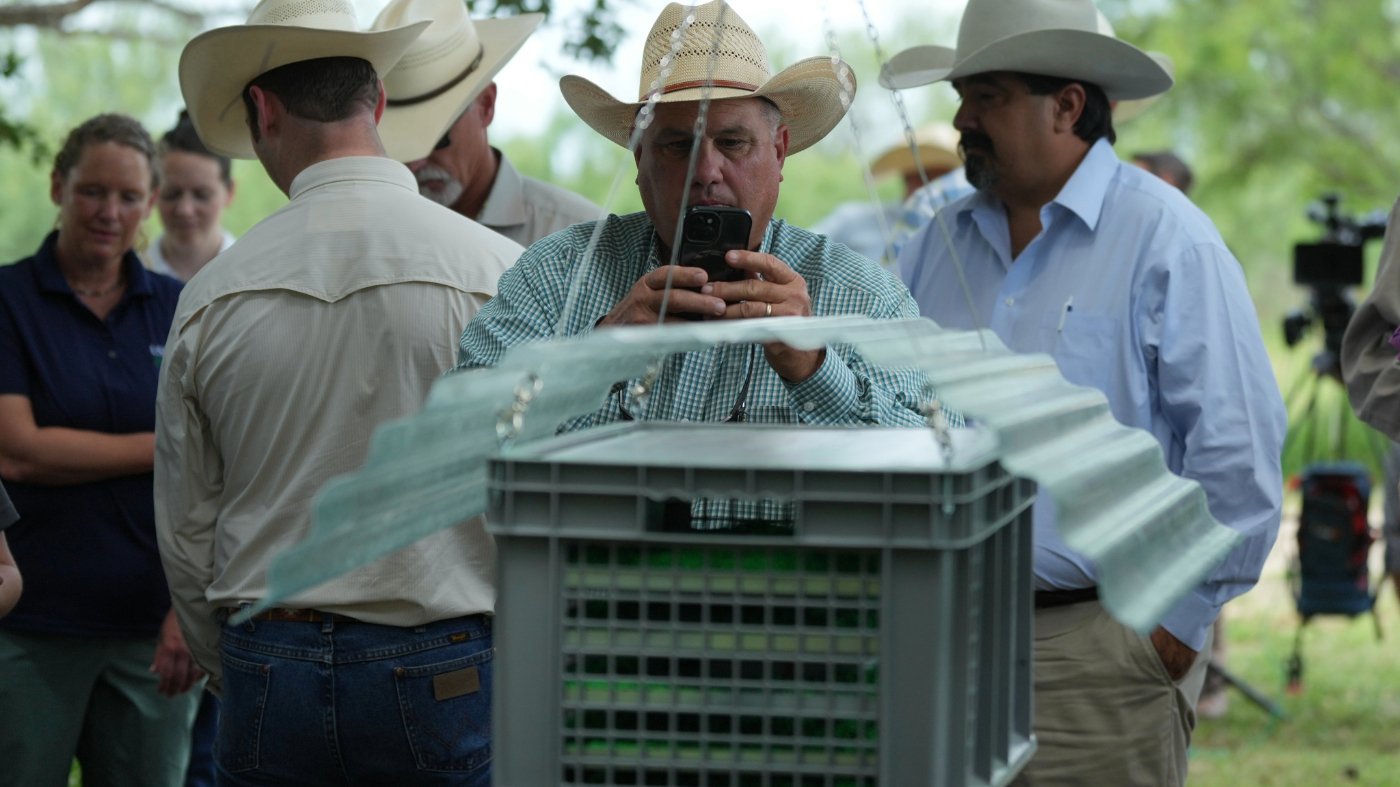
The U.S. Department of Agriculture confirmed on June 3 what ranchers had dreaded: the New World screwworm, a flesh-eating parasite that had been wiped out from the United States six decades ago, has reemerged. Within three weeks, 15 cases have been confirmed in livestock and pets across Texas and southeastern New Mexico, triggering alarm in the agricultural community.
Biosecurity researcher [Name], who spent a year mapping threats to U.S. crop production, views the outbreak as more than a localized livestock crisis. “It is a wake-up call for all agricultural biosecurity,” she said, noting that the system’s vulnerabilities extend far beyond this specific pest.
The USDA’s response model did predict the screwworm’s return, and containment efforts along the border bought additional time. A coordinated response—quarantine zones, trapping, sterile-fly releases, and emergency drug approvals—was possible thanks to prior government preparation. Yet, despite these rehearsed measures, the United States could not prevent its reemergence.
“Screwworm is the threat we rehearsed for,” the researcher said. “What happens when the next threat arrives, one that doesn’t come with a playbook?”
In research published this spring by the RAND Corporation, she and her co-authors found that the U.S. biosecurity system is poorly equipped for novel threats. Naturally occurring crop diseases not yet present in the country could cause billions of dollars in losses if introduced. Engineered pathogens delivered deliberately could be far worse, potentially crippling entire agricultural sectors.
The outbreak comes amid other pressures on Texas, where water officials have warned of a $174 billion funding shortfall for critical infrastructure. The state is also seeking billions in federal reimbursement for border security, as Governor Greg Abbott announced in recent weeks. These overlapping crises highlight the strain on state and federal resources.
On the national stage, the biosecurity gap mirrors broader policy challenges. For instance, the EU’s recent asylum overhaul offers a blueprint for managing the U.S. immigration backlog, which has topped 3 million cases. Similarly, the screwworm response could serve as a model—or a cautionary tale—for future agricultural threats.
The USDA continues to monitor the outbreak, but the researcher warns that without systemic reforms, the next agricultural biosecurity crisis may not announce itself years in advance like the screwworm did. “We need to invest in surveillance, rapid response, and international cooperation before the next pathogen arrives,” she said.